
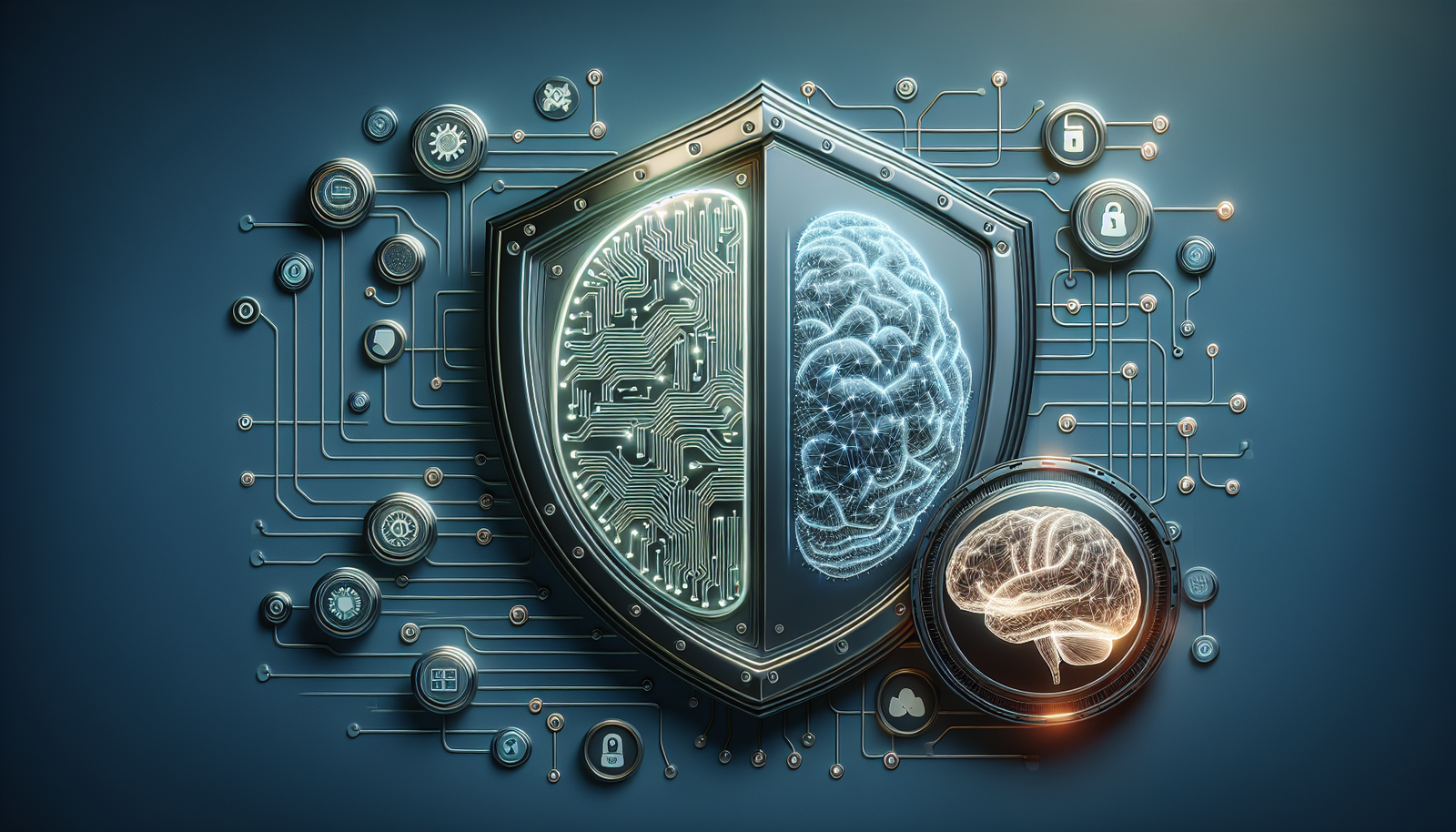
AI Cybersecurity Models: Implications and Future Insights
“`html
AI cybersecurity models, such as Anthropic’s Mythos, are designed to address advanced security threats. Recently, Anthropic co-founder Jack Clark confirmed that the company briefed the Trump administration on Mythos, highlighting the model’s capabilities and potential risks. This article will explore the implications of such AI models on cybersecurity, including their architecture, real-world applications, and future developments.
What Is AI Cybersecurity Models?
AI cybersecurity models refer to advanced systems that utilize artificial intelligence to identify and mitigate security threats in real-time. These models leverage machine learning algorithms to analyze vast amounts of data, detecting anomalies and vulnerabilities that traditional methods might overlook. The recent briefing of the Trump administration on Anthropic’s Mythos underscores the importance of such models in national security and corporate governance.
Why This Matters Now
The rapid evolution of AI technologies necessitates a deeper understanding of their implications for cybersecurity. With increasing threats of cyberattacks and data breaches, AI models like Mythos can play a crucial role in safeguarding sensitive information. Myths surrounding AI capabilities must be addressed, especially when government entities consider their deployment in high-stakes environments. The intersection of AI, cybersecurity, and government policy is becoming increasingly relevant as Anthropic navigates both collaboration and litigation with the U.S. government regarding AI security protocols.
Technical Deep Dive
The architecture of AI cybersecurity models typically involves several key components:
- Data Ingestion: Continuous data collection from various sources such as network logs, user activity, and external threat intelligence.
- Machine Learning Algorithms: Utilizing supervised and unsupervised learning techniques to classify and predict security threats.
- Real-Time Monitoring: Implementing systems to analyze data in real-time, allowing for immediate response to detected threats.
- Feedback Loop: Integrating human feedback to improve model accuracy and adapt to new threat landscapes.
Here’s a simplified Python example using scikit-learn for anomaly detection:
import pandas as pd
from sklearn.ensemble import IsolationForest

# Load dataset
data = pd.read_csv('network_traffic.csv')

# Train Isolation Forest model
model = IsolationForest(contamination=0.01)
model.fit(data)

# Predict anomalies
anomalies = model.predict(data)
data['anomaly'] = anomalies
print(data[data['anomaly'] == -1])  # Display detected anomalies
This code snippet uses an Isolation Forest algorithm to detect anomalies in network traffic data, illustrating a practical application of AI in cybersecurity.
Real-World Applications
Financial Sector
In banking, AI models like Mythos may be used to monitor transactions in real-time for fraudulent activities. Institutions such as JPMorgan Chase and Goldman Sachs are already exploring AI capabilities to enhance their security measures.
Government and Defense
AI cybersecurity models can assist in national security by analyzing large datasets to detect potential threats. The dialogue between Anthropic and the government highlights the importance of collaboration for developing robust AI systems that can respond to emerging threats.
Healthcare
In healthcare, AI models can protect sensitive patient data from breaches. By analyzing access patterns, these systems can flag unusual activities that might indicate a security breach.
Retail
Retailers utilize AI to analyze customer behavior and detect fraudulent purchases. By integrating AI cybersecurity models, they can safeguard transactions while enhancing customer experience.
What This Means for Developers
Developers should focus on enhancing their skills in machine learning and data analytics to effectively integrate AI into cybersecurity frameworks. Understanding algorithms and their applications is crucial for building robust security systems. Additionally, familiarity with real-time data processing and ethical considerations in AI deployment will be vital as these technologies evolve.
💡 Pro Insight: As AI technology advances, developers will need to prioritize security in their applications. The integration of AI in cybersecurity is not just a trend; it’s becoming a necessity for protecting sensitive data across all sectors.
Future of AI Cybersecurity Models (2025–2030)
Over the next five years, we can expect a significant evolution in AI cybersecurity models. They will likely incorporate advanced neural networks capable of self-learning from new data patterns without requiring constant human intervention. Such developments could lead to more autonomous systems capable of identifying and mitigating threats in real-time.
Moreover, regulatory frameworks surrounding AI and cybersecurity will also evolve. As governments become more involved in AI governance, developers will need to adapt to new compliance requirements, shaping how AI models are designed and deployed.
Challenges & Limitations
Data Privacy Concerns
The use of AI in cybersecurity raises significant data privacy issues. Developers must ensure that their models comply with legal standards while effectively protecting sensitive information.
Bias in AI Models
AI models can inherit biases from their training data, leading to inaccurate predictions. Ensuring fairness and accuracy in AI systems is critical, particularly in sensitive sectors such as healthcare and finance.
Integration Complexity
Integrating AI models into existing IT infrastructures can be complex and resource-intensive. Developers must navigate compatibility issues and ensure seamless operation to maximize the effectiveness of AI in cybersecurity.
Key Takeaways
- AI cybersecurity models leverage machine learning for real-time threat detection.
- Models like Mythos highlight the intersection of AI, national security, and corporate governance.
- Financial institutions are leading the adoption of AI for enhanced security measures.
- Developers should focus on machine learning and ethical AI deployment skills.
- Future AI models will likely become more autonomous and capable of self-learning.
Frequently Asked Questions
What are AI cybersecurity models?
AI cybersecurity models are systems that utilize artificial intelligence to identify and mitigate security threats in real-time, enhancing traditional cybersecurity methods.
Why is Mythos not being released to the public?
Mythos is considered too dangerous for public release due to its powerful cybersecurity capabilities, which could lead to misuse if not properly controlled.
How can developers prepare for the future of AI in cybersecurity?
Developers can prepare by enhancing their skills in machine learning, data analytics, and understanding ethical considerations in AI deployment.
For more insights on AI and developer news, follow KnowLatest.


