Siri Revamp: Enhancing Privacy with Auto-Deleting Chats
Siri revamp refers to the upcoming transformation of Apple’s voice assistant, aimed at enhancing user privacy and functionality. Following recent news about its planned updates, this article explores what developers need to know regarding privacy features, particularly auto-deleting chat histories. By the end, readers will gain insights into the implications of these changes for application development and user experience.
What Is Siri Revamp?
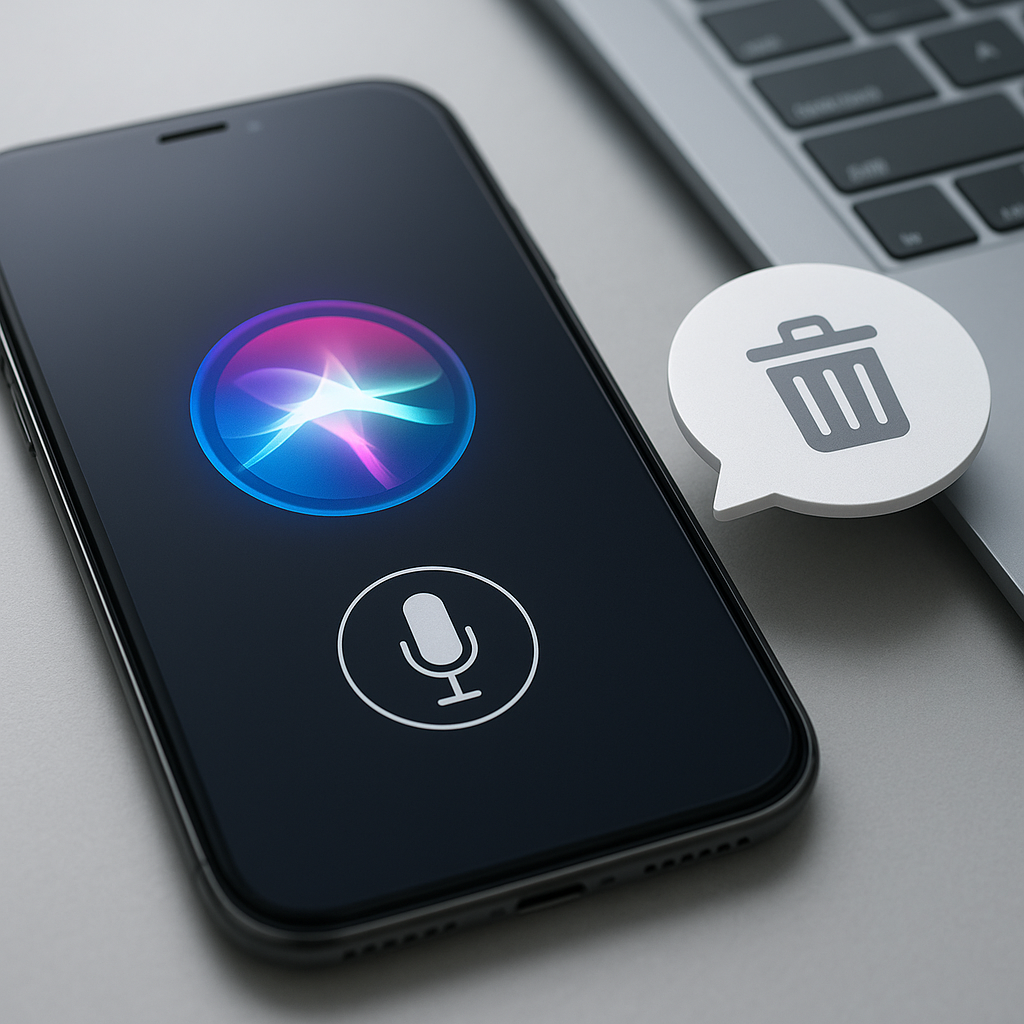
The Siri revamp refers to the significant updates Apple is implementing in its voice assistant, aimed at improving user privacy and introducing new functionalities. As part of its strategy, Apple is expected to launch a standalone Siri app that features auto-deleting chats, enhancing data protection while providing a more dynamic user experience. This transformation is crucial in the context of growing concerns about data privacy among consumers.
Why This Matters Now
As privacy regulations tighten worldwide, the need for tech companies to adapt is more pressing than ever. With competitors like Google and Amazon pushing the envelope in AI capabilities, Apple’s focus on user privacy could distinguish its products in a saturated market. The planned changes to Siri, including auto-deleting conversations, are not just about compliance; they are about regaining user trust. Developers must recognize this shift as a pivotal moment that will shape how voice interfaces will interact with user data going forward.
Technical Deep Dive
The upcoming Siri revamp is expected to utilize technology from Google Gemini to enhance its conversational capabilities. Here’s a technical breakdown of the anticipated features:
- Auto-deleting Chats: Users will have the option to set conversations to auto-delete after a specified period (e.g., 30 days or 1 year) or retain them indefinitely. This feature aims to minimize data retention risks.
- Standalone Application: The introduction of a standalone Siri app represents a shift in how Apple positions its voice assistant, potentially allowing for more focused updates and improvements.
- Privacy-first Approach: Unlike many competitors, Apple’s emphasis on privacy may serve to highlight the limitations of Siri, especially when compared to the capabilities of other AI assistants.
For developers, understanding how to implement privacy-focused features in applications is becoming essential. Here’s a code snippet demonstrating how to implement auto-deleting chat functionality in a hypothetical app:
def auto_delete_chats(chats, retention_period):
    current_time = datetime.now()
    for chat in chats:
        if (current_time - chat['timestamp']).days > retention_period:
            chats.remove(chat)
    return chats

# Example usage
chats = [
    {'message': 'Hello', 'timestamp': datetime(2023, 1, 1)},
    {'message': 'How are you?', 'timestamp': datetime(2023, 10, 1)},
]
retention_period = 30  # days
remaining_chats = auto_delete_chats(chats, retention_period)
This code demonstrates a simple mechanism for filtering out old chats based on a retention period, which can be adapted for various applications.
Real-World Applications
Consumer Applications
Voice-assisted technologies are being integrated into consumer applications such as smart home devices, fitness trackers, and personal assistants, where privacy is a growing concern.
Enterprise Solutions
In enterprise environments, integrating privacy-focused voice assistants can help ensure compliance with regulations such as GDPR and CCPA, making them appealing to businesses that prioritize data security.
Healthcare Systems
In healthcare, voice assistants can help patients manage their health records while ensuring that sensitive information is handled securely through features like auto-deletion of past interactions.
Financial Services
Financial apps utilizing voice technology may also incorporate these privacy features to protect customer data, fostering trust and enhancing user engagement.
What This Means for Developers
Developers should prioritize privacy in their applications by adopting best practices in data management. This includes implementing features like:
- Auto-deletion of user data to comply with privacy regulations.
- Transparent user consent mechanisms for data collection and usage.
- Robust security protocols to protect user information.
Focusing on these aspects will not only enhance user trust but also align products with emerging trends in AI and privacy.
💡 Pro Insight: As Apple pivots to emphasize privacy in its AI offerings, developers must adapt their strategies to incorporate similar privacy-centric features, positioning themselves as leaders in a market increasingly shaped by consumer concern over data security.
Future of Siri Revamp (2025–2030)
Looking ahead, the Siri revamp is expected to set trends in how voice assistants handle user data. As Apple continues to refine its approach, we may see:
- Enhanced conversational capabilities driven by ongoing advancements in AI technologies.
- A broader industry shift towards more transparent data management practices, influenced by Apple’s privacy-first stance.
- Integration of machine learning models that prioritize user consent and data minimization.
By 2030, we could witness a landscape where privacy is not just an add-on but a core feature of all voice-assisted technologies, reshaping user expectations and industry standards.
Challenges & Limitations
Data Security Risks
While a focus on privacy is critical, it introduces challenges in balancing user convenience with security. Developers must ensure that security measures do not hinder user experience.
User Adoption Concerns
Users may be skeptical of new privacy features, fearing that they might restrict functionality. Developers need to effectively communicate the benefits of these features to encourage adoption.
Technical Complexity
Implementing privacy features can add complexity to application development. Developers must be equipped with the right tools and knowledge to manage these complexities efficiently.
Compliance with Regulations
As regulations evolve, developers will need to stay up-to-date with legal requirements, which can vary by region, to ensure compliance and avoid potential penalties.
Key Takeaways
- The Siri revamp emphasizes user privacy, introducing features like auto-deleting chats.
- Developers must adapt to privacy regulations to maintain user trust and compliance.
- Implementing privacy-centric features can enhance application security and user engagement.
- Future advancements in AI will likely prioritize transparent data management practices.
- Understanding the technical challenges of implementing these features is essential for developers.
Frequently Asked Questions
What is the purpose of the Siri revamp?
The Siri revamp aims to enhance user privacy and functionality, introducing features like auto-deleting chats to protect user data.
How does auto-deleting functionality impact user experience?
Auto-deleting functionality enhances user experience by providing greater control over data retention, addressing privacy concerns effectively.
What should developers focus on regarding privacy in AI?
Developers should prioritize implementing transparent data management practices, user consent mechanisms, and robust security protocols in their applications.
For more insights on AI tools and developer news, follow KnowLatest.