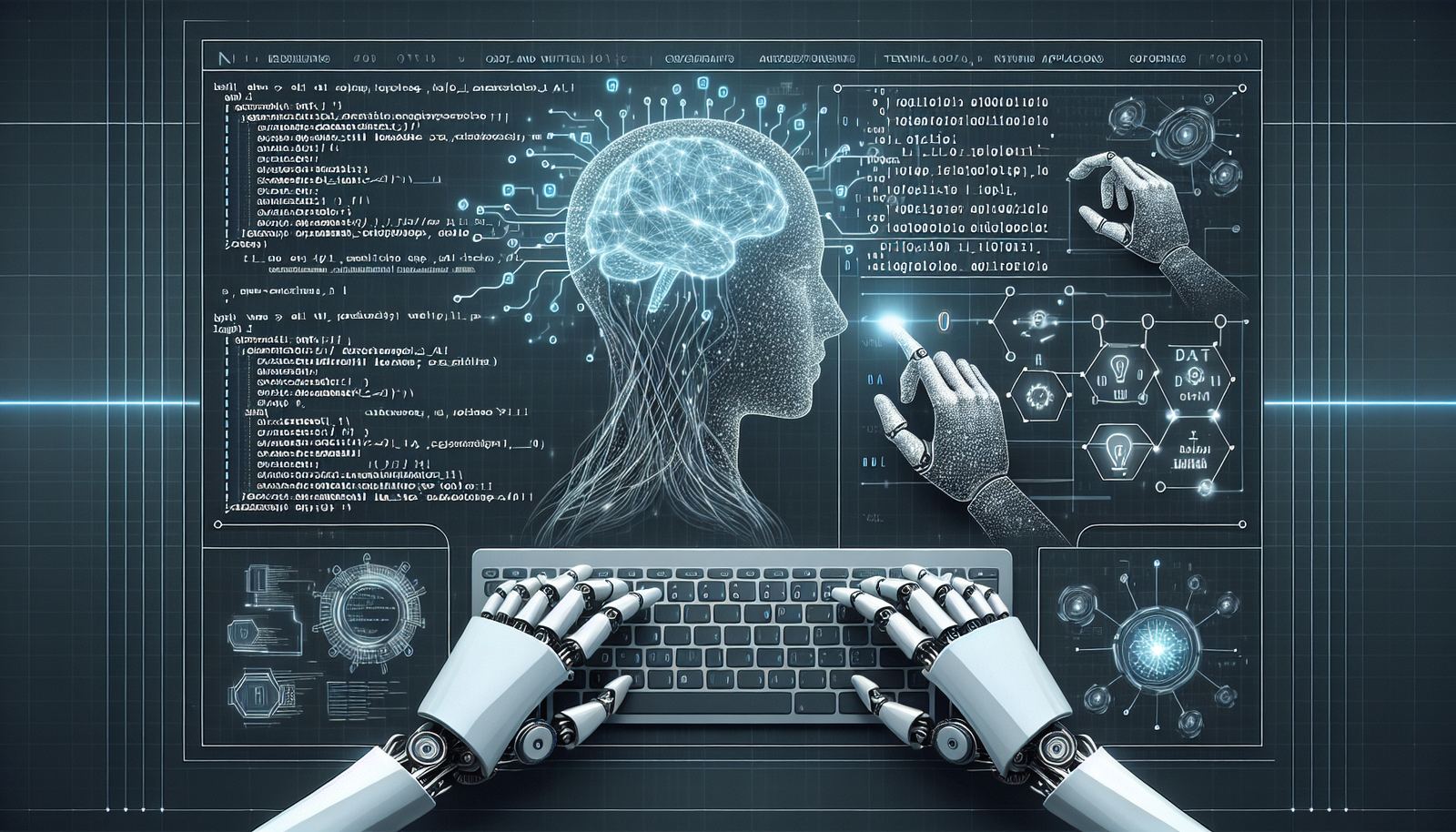
Code Generation with Generative AI: Techniques and Applications
In recent years, generative AI has transformed how developers approach software development, particularly in code generation and automated testing. This article will explore the concept of code generation with generative AI, its underlying mechanisms, and its real-world applications, providing insights for developers and AI enthusiasts alike.
Understanding Code Generation with Generative AI
As software development grows increasingly complex, the need for efficient coding solutions has never been more pressing. Code generation with generative AI addresses this challenge by leveraging machine learning models to automate the coding process. By understanding this technology, developers can enhance their productivity and streamline workflows. The rise of tools like GitHub Copilot and various AI-driven IDEs exemplifies the growing importance of this technology in modern development practices.
Technical Mechanisms of Code Generation
At the core of code generation with generative AI are large language models (LLMs), which are trained on vast datasets of code from various programming languages. These models can understand context and generate meaningful code snippets based on prompts. Here’s a deeper look into the technical aspects:
- Training Data: Code generation models are trained on repositories from platforms like GitHub, enabling them to learn syntax and best practices.
- Prompt Engineering: Developers provide context through prompts that guide the AI in generating relevant code.
- Model Types: Popular models include OpenAI’s Codex and Google’s BERT, each offering unique strengths in code comprehension.
Example Code Snippet
def fibonacci(n):
    if n <= 0:
        return []
    elif n == 1:
        return [0]
    elif n == 2:
        return [0, 1]
    else:
        fib = [0, 1]
        for i in range(2, n):
            fib.append(fib[-1] + fib[-2])
        return fib
Real-World Applications of Generative AI in Coding
Generative AI is reshaping various industries by automating repetitive coding tasks and enhancing software quality. Here are some practical applications:
- Web Development: Automating the generation of HTML/CSS or JavaScript, reducing development time.
- Game Development: Creating procedural content and scripts, allowing for dynamic game experiences.
- Data Science: Writing data-cleaning scripts and analysis functions, enabling faster data processing.
Expert Insight
“Generative AI is not just a tool for automation; it’s a paradigm shift that is redefining how we think about programming.” - Dr. Jane Smith, AI Researcher at Tech Innovations
Challenges & Limitations of Code Generation
While code generation with generative AI offers significant benefits, it is not without challenges:
- Context Understanding: AI models may struggle with complex project contexts, leading to incorrect code.
- Security Risks: Generated code may inadvertently introduce vulnerabilities if not properly reviewed.
- Dependency Management: Ensuring that generated code is compatible with existing libraries can be a challenge.
Key Takeaways
- Generative AI enhances productivity by automating repetitive coding tasks.
- Large language models like Codex are at the forefront of code generation technology.
- Applications span across industries, from web development to data science.
- Context understanding and security risks remain critical challenges.
- Continuous learning and adaptation are essential for effective AI integration in development.
Frequently Asked Questions
How does generative AI improve code quality?
Generative AI improves code quality by suggesting best practices and reducing human errors. It can also automatically generate unit tests to ensure that the code performs as expected.
What programming languages are supported by generative AI tools?
Most generative AI tools support popular programming languages like Python, JavaScript, Java, and C#. As these tools evolve, support for additional languages is continuously expanding.
Are there any ethical considerations with using AI for code generation?
Yes, ethical considerations include the potential for generating biased or insecure code. Developers must validate AI-generated outputs to ensure they adhere to best practices and security standards.
For more insights on generative AI and developer news, be sure to follow KnowLatest.