
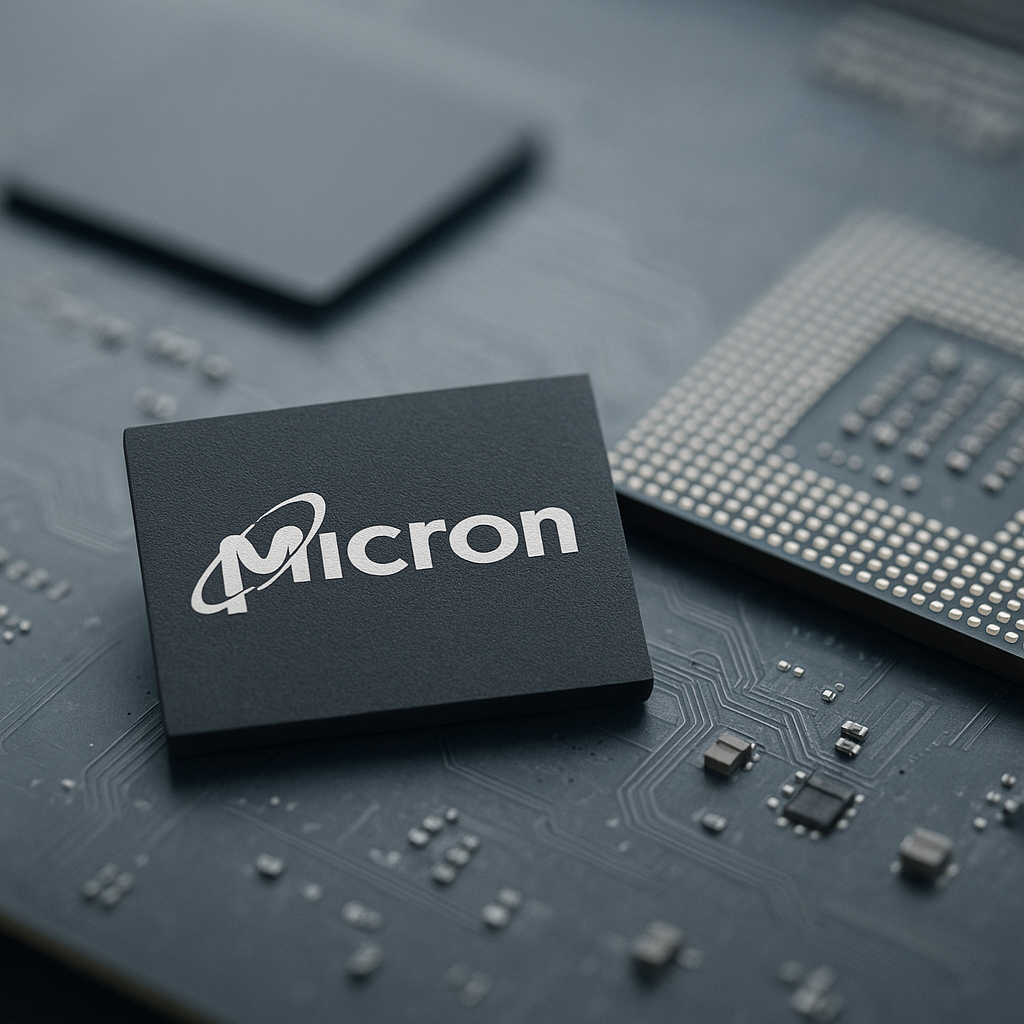
Micron’s Role in AI: Next Nvidia for Developers
Micron is a leading memory chip manufacturer that has recently drawn significant attention from Wall Street, likening its potential to that of Nvidia. This shift is largely driven by the ongoing AI boom, which has created unprecedented demand for memory chips. In this article, we will explore why Micron is emerging as a key player in the AI landscape and what it means for developers and the tech industry.
What Is Micron’s Role in AI?
Micron is a prominent U.S. memory maker specializing in DRAM and NAND flash memory, essential for modern computing and AI applications. As AI technologies expand, the demand for memory chips—particularly High-Bandwidth Memory (HBM)—has surged. This growing reliance on memory to power AI servers has positioned Micron as a critical player in the AI supply chain.
Why This Matters Now
The tech industry is currently facing a severe shortage of memory chips, a situation dubbed “RAMageddon.” This shortage is primarily driven by the booming AI market, with companies like Nvidia and major cloud providers investing heavily in AI infrastructure. Micron’s stock recently skyrocketed, reflecting Wall Street’s optimism about its potential to capitalize on this situation. Analysts predict that the demand for memory will continue to outpace supply, making Micron a valuable investment opportunity for those looking to replicate Nvidia’s success in AI.
Technical Deep Dive
Understanding Micron’s technology and its implications for the AI landscape requires a closer look at its products and strategic positioning. Below are key technical insights into how Micron is aligning with AI demands:
- High-Bandwidth Memory (HBM): Micron’s HBM is designed to meet the high data throughput requirements of AI workloads, significantly outperforming traditional memory solutions.
- Data Center Solutions: The company has established long-term supply agreements with major AI players like Nvidia and Anthropic, ensuring a steady demand for its products.
- Manufacturing Capabilities: Micron is expanding its manufacturing facilities to increase capacity, a critical step given the time-consuming and expensive nature of this process.
- Revenue Growth: Micron reported a revenue of $41.45 billion for Q3, quadrupling year-over-year, demonstrating its robust market position.
| Product Type | Key Features | Use Cases |
|---|---|---|
| DRAM | High-speed data access, cost-effective | General computing, gaming |
| NAND Flash | Non-volatile storage, high endurance | Mobile devices, data centers |
| HBM | Extreme bandwidth, low latency | AI servers, high-performance computing |
Real-World Applications
Data Centers
With the surge in AI applications, data centers are increasingly reliant on Micron’s memory solutions. Companies like Amazon AWS and Google are purchasing massive quantities of memory chips to support their AI workloads.
Consumer Electronics
The shortage of memory chips is also impacting consumer electronics. Higher prices for devices such as smartphones and gaming consoles can be attributed to increased demand for Micron’s products.
Automotive Industry
Micron’s memory solutions are making inroads into the automotive sector, particularly in autonomous driving systems that require significant amounts of memory for processing data in real time.
What This Means for Developers
As a developer, understanding Micron’s advancements and their implications for memory management in AI systems is crucial. Here are some actionable insights:
- Stay updated on memory optimization techniques to enhance the performance of AI applications.
- Consider the implications of RAMageddon when planning hardware requirements for projects.
- Explore partnerships or integrations with companies utilizing Micron’s memory solutions to leverage their capabilities.
- Invest in learning about High-Bandwidth Memory (HBM) and its applications in AI to stay ahead in the competitive landscape.
💡 Pro Insight: Micron’s strategic partnerships and focus on high-performance memory solutions position it to not only benefit from the current AI boom but also to shape the future of memory technology in AI applications.
Future of Micron and AI (2025–2030)
Looking ahead, Micron is likely to continue expanding its capabilities in response to the growing demands of AI technologies. As AI applications become more complex, the need for advanced memory solutions will only increase. Analysts predict that Micron’s focus on HBM and its strategic partnerships may allow it to maintain a competitive edge.
By 2030, Micron may emerge as a cornerstone supplier for AI data centers and autonomous systems, further solidifying its reputation as the “next Nvidia.” Companies will increasingly rely on Micron’s innovations to power their AI applications, leading to sustained revenue growth and market expansion.
Challenges & Limitations
Capacity Constraints
Building new manufacturing facilities is a lengthy and costly process. Despite its plans for expansion, Micron may face delays that could hinder its ability to meet demand.
Market Volatility
The tech industry is known for its fluctuations. A sudden downturn in AI investments could negatively impact Micron’s stock and demand for its products.
Competition
Micron is not alone in the memory market. Companies like Samsung are also ramping up their production capabilities, which could lead to increased competition and price wars.
Technological Innovation
As AI technologies evolve, Micron must continuously innovate to keep pace. Failure to adapt to changing requirements could jeopardize its market position.
Key Takeaways
- Micron is positioning itself as a key player in the AI space, akin to Nvidia.
- The ongoing memory shortage, termed “RAMageddon,” is driving up demand and prices for Micron’s products.
- Micron’s HBM is essential for the performance of AI servers.
- Developers should consider memory optimization in their applications to leverage these advancements.
- Strategic partnerships and long-term agreements are crucial for Micron’s growth.
Frequently Asked Questions
What role does Micron play in AI technology?
Micron manufactures memory chips that are essential for high-performance AI applications, particularly in data centers and autonomous systems.
Why is there a shortage of memory chips?
The shortage, referred to as “RAMageddon,” is primarily due to the rapid growth of AI applications, which require significantly more memory than traditional computing systems.
How can developers optimize memory usage in AI applications?
Developers can optimize memory usage by employing efficient algorithms, minimizing data redundancy, and utilizing advanced memory types like HBM.
For more insights into AI advancements and technology news, follow KnowLatest.


