
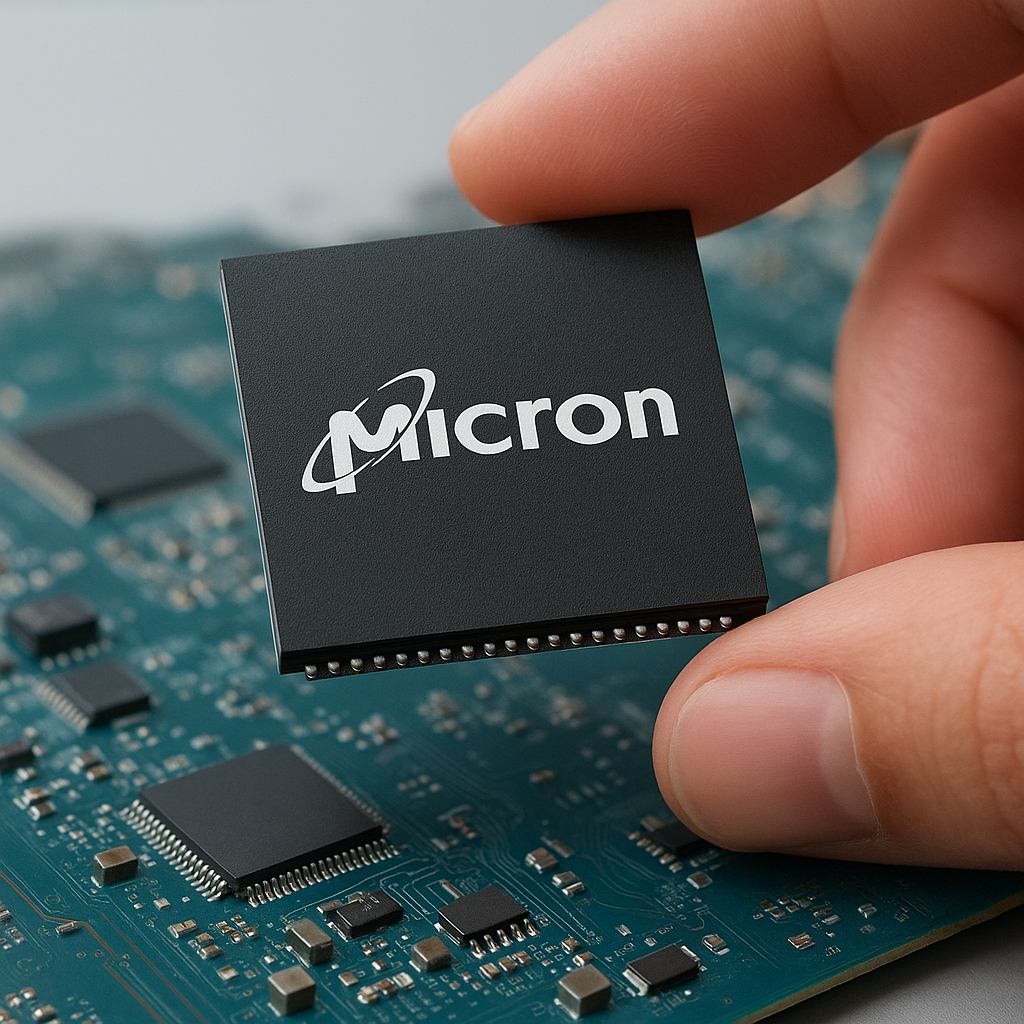
Why Micron Memory is the Next Big Thing in AI
Micron, a leading memory chip manufacturer, is rapidly gaining attention as Wall Street identifies it as a potential contender in the AI space, akin to Nvidia. This shift is largely driven by the ongoing demand for higher memory capacities fueled by AI advancements. In this post, you will learn about the factors contributing to Micron’s rise, its implications for developers, and the future of memory technology in the AI landscape.
What Is Micron Memory?
Micron memory refers to the semiconductor products manufactured by Micron Technology, including DRAM (Dynamic Random Access Memory) and NAND (Non-Volatile Memory). These memory solutions are integral to a variety of devices, especially in the context of AI and data-intensive applications. Understanding Micron’s role is essential, particularly as it positions itself within the booming AI market.
Why This Matters Now
The surge in demand for AI applications has led to a significant memory shortage, making Micron a focal point of interest for investors. The company’s recent stock performance, which saw a remarkable increase of over 236% in just a month, underscores this trend. The “RAMageddon” phenomenon—characterized by a lack of system memory—has been exacerbated by AI data center expansions, with major tech players like Nvidia, Google, and Microsoft ramping up their memory purchases. This situation reveals critical supply chain dynamics that developers must understand to navigate the evolving tech landscape.
Technical Deep Dive
Micron’s memory products, particularly High-Bandwidth Memory (HBM), are vital in AI applications, where AI servers require exponentially more memory compared to traditional devices. Here’s a breakdown of how Micron’s technology stacks up:
| Memory Type | Use Cases | Performance Metrics |
|---|---|---|
| DRAM | General computing, AI data centers | High speed, low latency |
| NAND | Storage solutions, SSDs | High endurance, fast read/write speeds |
| HBM | AI training, data analytics | Extreme bandwidth, reduced power consumption |
The architecture of Micron’s memory chips allows for rapid data transfer, essential for AI processing tasks. For example, an AI server may require hundreds of gigabytes of memory, a stark contrast to the few gigabytes typically found in consumer laptops.
Real-World Applications
AI Data Centers
Micron’s memory products are crucial for AI data centers where vast amounts of data are processed. Companies like Nvidia and Google are integrating Micron’s chips to enhance their AI model training capabilities.
Automotive Technology
With the rise of autonomous vehicles, Micron’s memory solutions are being integrated into automotive systems for real-time data processing, enhancing safety and functionality.
Consumer Electronics
The increased demand for high-performance gaming consoles and PCs has led manufacturers to secure memory supplies from Micron, allowing for improved gaming experiences and faster processing times.
Cloud Computing
As cloud services expand, Micron’s memory solutions support the underlying infrastructure, providing the necessary speed and reliability for cloud-based applications.
What This Means for Developers
Developers should be aware of the implications of Micron’s advancements for various applications. As memory technology evolves, understanding how to optimize performance for high-bandwidth tasks will be vital. Consider focusing on these areas:
- Enhancing applications to utilize High-Bandwidth Memory for better performance.
- Staying informed about supply chain dynamics to manage project timelines effectively.
- Exploring partnerships with memory manufacturers to leverage the latest technology in projects.
💡 Pro Insight: As the AI landscape evolves, the demand for robust memory solutions will only intensify. Developers who adapt their applications to leverage advancements in memory technology will have a competitive advantage in the market.
Future of Micron Memory (2025–2030)
Looking ahead, Micron is poised to continue its growth trajectory as AI applications proliferate. By 2027, the “RAMageddon” situation is expected to persist, reinforcing the necessity for advanced memory solutions. Micron’s strategic partnerships and long-term supply agreements will likely stabilize its market position and drive innovation in memory technology.
Furthermore, advancements in memory architecture and manufacturing processes will lead to increased efficiency and lower costs, enabling developers to create even more complex AI systems without the bottleneck of memory limitations.
Challenges & Limitations
Supply Chain Vulnerabilities
The dependency on global supply chains for semiconductor manufacturing poses risks. Any disruptions can affect memory availability and pricing.
Manufacturing Costs
Building out production facilities is capital-intensive and time-consuming, leading to potential delays in meeting market demands.
Technological Obsolescence
As technology evolves, older memory standards may become obsolete, requiring continuous investment in R&D to stay competitive.
Market Volatility
The tech industry’s unpredictable nature can lead to sudden shifts in demand, impacting revenue forecasts and operational strategies.
Key Takeaways
- Micron’s memory products are critical for AI applications, particularly in data centers.
- The ongoing memory shortage highlights the importance of robust supply chain management.
- Developers should focus on optimizing applications for high-bandwidth memory usage.
- Strategic partnerships with memory manufacturers can enhance project outcomes.
- The future of memory technology is bright, with continuous advancements expected.
Frequently Asked Questions
What types of memory does Micron produce?
Micron produces a variety of memory products, including DRAM for computing, NAND for storage, and High-Bandwidth Memory for high-performance applications.
Why is there a memory shortage in the tech industry?
The memory shortage, often referred to as “RAMageddon,” is driven by increased demand from AI data centers and consumer electronics manufacturers, leading to supply constraints.
How can developers optimize their applications for high-bandwidth memory?
Developers can optimize applications by ensuring efficient memory management, leveraging parallel processing, and adopting frameworks that can take advantage of high-bandwidth memory capabilities.
Stay updated on the latest trends in AI and technology by following KnowLatest for more insights and developments.


