
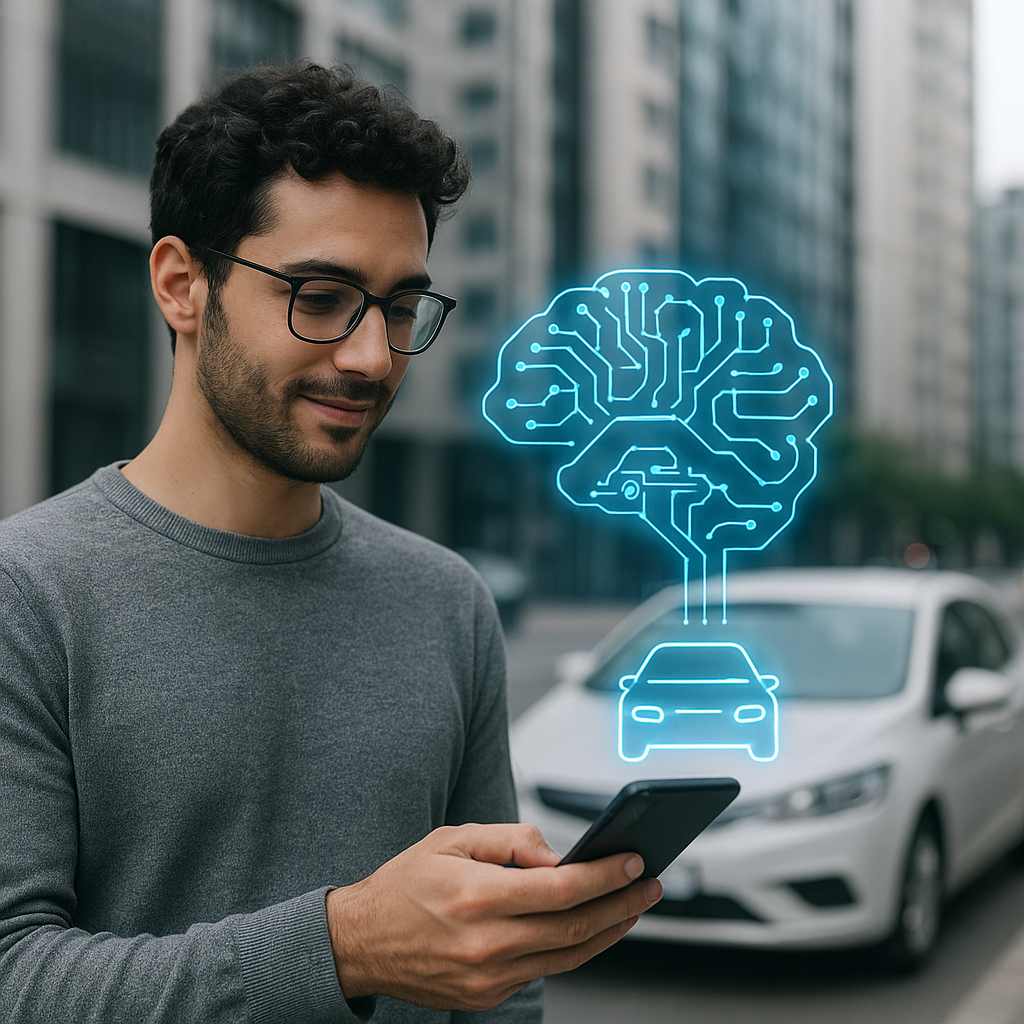
AI-Powered Ride-Hailing: Innovations and Future Trends
AI-powered ride-hailing applications are transforming urban mobility, with companies like Uber pushing beyond their traditional services. As Uber’s Chief Product Officer, Sachin Kansal, recently discussed, the company is expanding its offerings into hotels, financial services, and autonomous vehicle data operations. This article will delve into how developers can leverage these advancements in AI and understand the implications for future ride-hailing technologies.
What Is AI-Powered Ride-Hailing?
AI-powered ride-hailing refers to the integration of artificial intelligence technologies into transportation services, enhancing user experiences and operational efficiency. This concept is particularly relevant as Uber expands its services to include hotel bookings and financial solutions, reflecting a broader trend in the mobility sector. Understanding AI’s role in ride-hailing is essential for developers looking to innovate in this space.
Why This Matters Now
The ride-hailing industry is undergoing significant transformation due to advancements in AI and automation. Uber’s recent announcements highlight how these trends are shaping the future of urban transport. Developers should consider the implications of integrating AI into mobility solutions, particularly as user expectations evolve towards seamless, multi-service platforms. The introduction of features like hotel bookings within the Uber app illustrates a convergence of services that enhances the customer journey.
Technical Deep Dive
As Uber diversifies its offerings, developers must understand the underlying technologies that power these innovations. Below are some key components:
- AI Algorithms: Machine learning algorithms are used for ride matching, pricing optimization, and routing. For instance, reinforcement learning can enhance route efficiency.
- APIs and Integrations: Uber utilizes various APIs to integrate hotel bookings and other services. A sample API call might look like:
GET /v1/hotels?location=NewYorkCity&checkin=2026-07-15&checkout=2026-07-20- Data Management: The introduction of AV Labs signifies an increased focus on data collection and management. Developers will need to implement robust data pipelines to handle the influx of data.
| Feature | Description | Technology Used |
|---|---|---|
| Ride Matching | AI-driven algorithms match riders with drivers based on proximity and demand. | Machine Learning |
| Hotel Booking | Integration of hotel services through partnerships, enhancing user convenience. | API Integration |
| AV Data Collection | Gathering driving data to improve autonomous vehicle capabilities. | Data Analytics |
Real-World Applications
1. Urban Mobility Solutions
Developers can build applications that integrate with Uber’s API to offer users customized travel solutions, such as multi-modal transport options combining rides, hotels, and food delivery.
2. Financial Services for Drivers
With Uber’s introduction of financial products like the Uber Pro card, developers have the opportunity to create applications that streamline earnings management for gig workers.
3. Autonomous Vehicle Data Analysis
Developers can leverage the data collected by Uber’s AV Labs to create analytics tools that improve driving algorithms and enhance safety features in autonomous vehicles.
What This Means for Developers
As Uber broadens its service offerings, developers must adapt by enhancing their skills in AI, API integration, and data management. Here are some actionable steps:
- Learn about API development and how to integrate third-party services.
- Familiarize yourself with machine learning frameworks to optimize algorithms for ride-matching and pricing.
- Understand data analytics to effectively manage and utilize the data collected from AV operations.
💡 Pro Insight: The convergence of services within ride-hailing applications signals a shift towards super-apps in Western markets. Developers must innovate rapidly to keep pace with consumer demands for seamless experiences across multiple services.
Future of AI-Powered Ride-Hailing (2025–2030)
Looking ahead, the ride-hailing industry is poised for significant changes. By 2030, we can expect the following trends:
- Increased Automation: The role of AI in autonomous vehicles will expand, leading to more reliable and safer transportation options.
- Integration of Financial Services: Companies like Uber will likely offer comprehensive financial products, making it easier for users to manage travel expenses.
- Data-Driven Decision Making: Enhanced data analytics capabilities will allow for better decision-making, leading to improved customer experiences.
Challenges & Limitations
1. Data Privacy Concerns
As ride-hailing services gather more data, ensuring user privacy will be a significant challenge. Developers need to implement stringent data protection measures.
2. Regulatory Hurdles
Governments may impose regulations that could limit the capabilities of AI in ride-hailing, affecting how services are developed and deployed.
3. Competition with Established Players
As the market grows, competition will intensify, requiring developers to differentiate their offerings continually.
4. User Adoption of New Features
Introducing new services can sometimes lead to user confusion. It’s crucial to ensure that users understand and adopt the new features seamlessly.
Key Takeaways
- AI is revolutionizing ride-hailing by enhancing user experiences and operational efficiency.
- Uber is expanding its services to include hotels and financial products, reflecting a trend towards super-apps.
- Developers should focus on API integration, machine learning, and data analytics skills to stay competitive.
- Future innovations may include increased automation and comprehensive financial solutions.
- Data privacy and regulatory challenges must be addressed to ensure sustainable growth in the industry.
Frequently Asked Questions
What are AI-powered ride-hailing services?
AI-powered ride-hailing services utilize artificial intelligence technologies to improve user experience through features like smart ride matching, pricing optimization, and enhanced safety protocols.
How is Uber expanding its services?
Uber is broadening its offerings by integrating hotel bookings, financial services for drivers, and developing autonomous vehicles through its AV Labs initiative.
What skills should developers focus on for the future of ride-hailing?
Developers should enhance their skills in API development, machine learning, and data management to leverage the evolving landscape of AI-powered ride-hailing.
For more insights on AI tools and industry developments, follow KnowLatest for the latest updates.


