
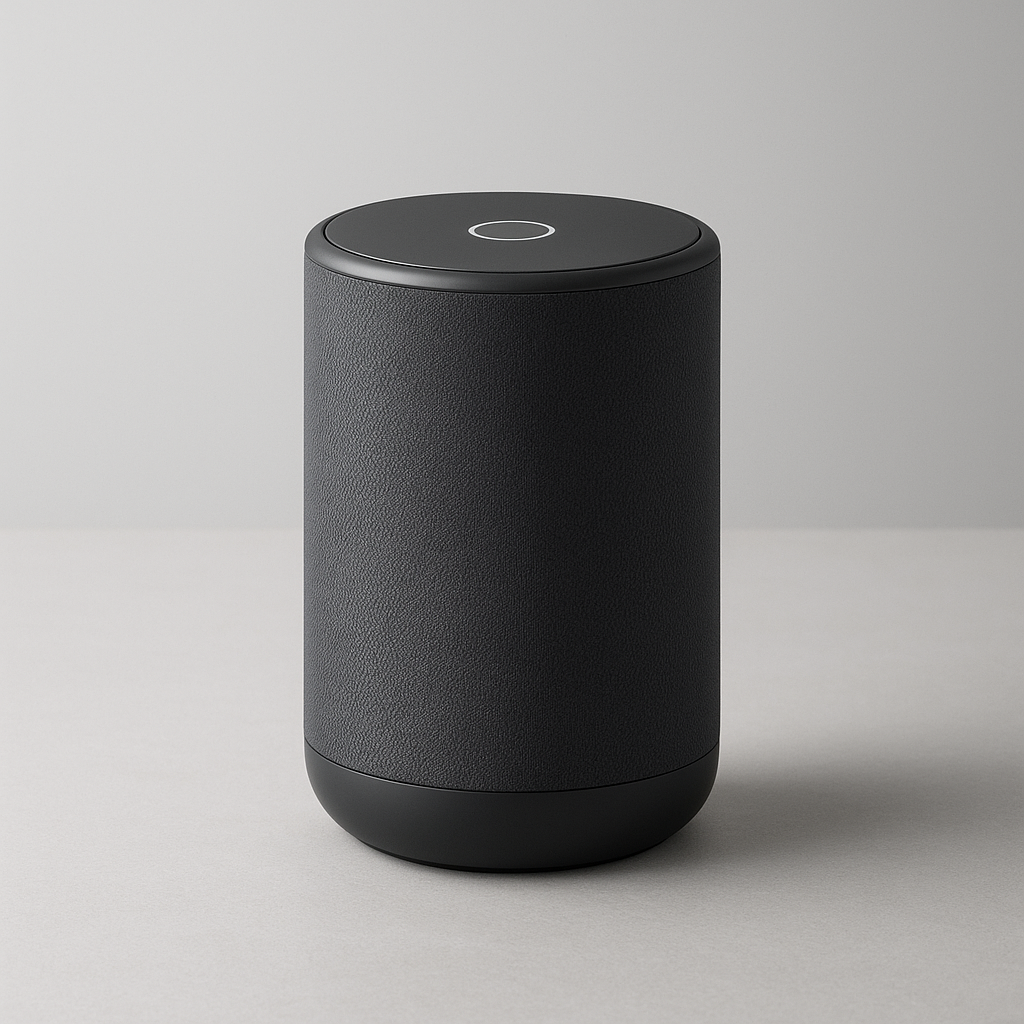
OpenAI’s Hardware Device: Transforming AI Interaction
OpenAI’s first hardware device refers to a mobile, screenless smart speaker that incorporates AI capabilities. Recently reported, this innovative device aims to offer a humanlike companion experience, moving beyond traditional static smart speakers. In this article, readers will discover the implications of this new hardware for developers and the evolving landscape of AI-driven consumer technology.
What Is OpenAI’s First Hardware Device?
OpenAI’s first hardware device is a screenless, mobile smart speaker designed to integrate AI capabilities, allowing it to serve as a humanlike companion. This product aims to transform how users interact with technology by offering personalized services through AI-driven interactions. As reported by TechCrunch, this device is still under development and signifies a shift in consumer AI hardware.
Why This Matters Now
The introduction of OpenAI’s hardware device is timely, coinciding with a growing interest in AI-driven consumer technology. As companies like OpenAI pivot towards hardware, developers must understand the implications for software integration and user experience. The burgeoning market for AI hardware is evidenced by recent funding successes, such as Hark’s $700 million Series A round, which underscores the demand for personal intelligence solutions.
- Emerging trends in AI hardware development
- The need for enhanced user experience through AI
- Competitive landscape with traditional tech giants like Apple
Technical Deep Dive
OpenAI’s device is designed to operate without a screen, relying on voice interactions and potentially other sensory inputs. The inclusion of mechanical elements that allow movement adds a unique dimension to user interactions. Below is a simplified architecture overview of how such a device might function:
class SmartSpeaker:
    def __init__(self):
        self.personal_data = {}

    def learn_user_preferences(self, user_data):
        # Update personal data with user preferences
        self.personal_data.update(user_data)

    def respond_to_query(self, query):
        # Process user query and respond accordingly
        response = self.generate_response(query)
        return response

    def generate_response(self, query):
        # Placeholder for AI response generation logic
        return f"Response to {query} based on learned preferences."
This class outlines the basic functionality of a smart speaker, including user preference learning and response generation. The architecture could be expanded to include machine learning models that adapt responses based on user interactions over time.
Integration with AI Services
Developers will need to consider how to integrate existing AI services, such as OpenAI’s ChatGPT, with the new hardware. Using APIs, developers can facilitate communication between the speaker and AI models, enabling the device to provide contextual responses:
import openai

def get_chatgpt_response(user_query):
    response = openai.ChatCompletion.create(
        model="gpt-4",
        messages=[{"role": "user", "content": user_query}]
    )
    return response.choices[0].message['content']
This code snippet demonstrates how to connect the device to OpenAI’s API for generating responses based on user queries. The ability to learn and adapt enhances the user experience, making the device feel more like a companion.
Real-World Applications
Home Automation
The device can serve as a central hub for controlling smart home appliances. Users can issue voice commands to adjust lighting, temperature, or security settings, enhancing convenience and efficiency.
Personalized Learning
In educational environments, the speaker can provide tailored learning experiences based on individual progress and preferences, making it an invaluable tool for student engagement.
Healthcare Assistance
In the healthcare sector, the speaker could assist patients by reminding them to take medication, providing health tips, or even connecting them with healthcare professionals through voice commands.
What This Means for Developers
As OpenAI ventures into hardware, developers should focus on building applications that leverage AI’s capabilities in novel ways. This includes:
- Familiarizing themselves with hardware-software integration techniques.
- Developing APIs for seamless communication between devices and AI models.
- Understanding user experience design principles for voice-activated interfaces.
💡 Pro Insight
💡 Pro Insight: The future of consumer hardware lies in devices that not only respond but also anticipate user needs. With OpenAI’s initiative, we may see a rapid evolution in how AI interacts with users, creating more engaging and proactive technology solutions.
Future of OpenAI’s Hardware Device (2025–2030)
Looking ahead, the market for AI-driven hardware is expected to expand significantly. As developers create more sophisticated applications, we may see devices that not only respond to commands but also proactively assist users based on behavioral learning. This evolution could lead to greater personalization, making AI companions integral to daily life.
By 2030, we may witness a proliferation of interconnected devices that share data, creating a holistic ecosystem of AI-driven interactions. This interconnectedness could drive further innovation, enabling users to interact with their environment in ways previously thought impossible.
Challenges & Limitations
Data Privacy Concerns
As devices become more integrated into personal lives, data privacy becomes a critical concern. Developers must implement robust security measures to protect user data.
Technical Complexity
Building a device with both AI capabilities and mechanical movement adds complexity to the development process. Ensuring reliability and performance will be a significant challenge.
User Acceptance
The success of such a device hinges on user acceptance. Developing a product that feels intuitive and genuinely enhances user experience is paramount.
Key Takeaways
- OpenAI’s first hardware device aims to provide a humanlike AI companion experience.
- Integration with existing AI models and services is crucial for functionality.
- Developers should focus on hardware-software integration and user experience.
- Future devices may anticipate user needs, creating a proactive technology landscape.
- Data privacy and technical challenges must be addressed for successful adoption.
Frequently Asked Questions
What is OpenAI’s first hardware device? OpenAI’s first hardware device is a mobile, screenless smart speaker designed to serve as a humanlike companion, integrating AI capabilities to enhance user interactions.
How will this device integrate with existing technologies? The device will likely use APIs to connect with existing AI models, allowing for dynamic and contextual responses based on user interactions.
What are the potential applications of this device? Potential applications include home automation, personalized learning, and healthcare assistance, enhancing user engagement and convenience.
For more insights into AI advancements and developer news, follow KnowLatest.


