
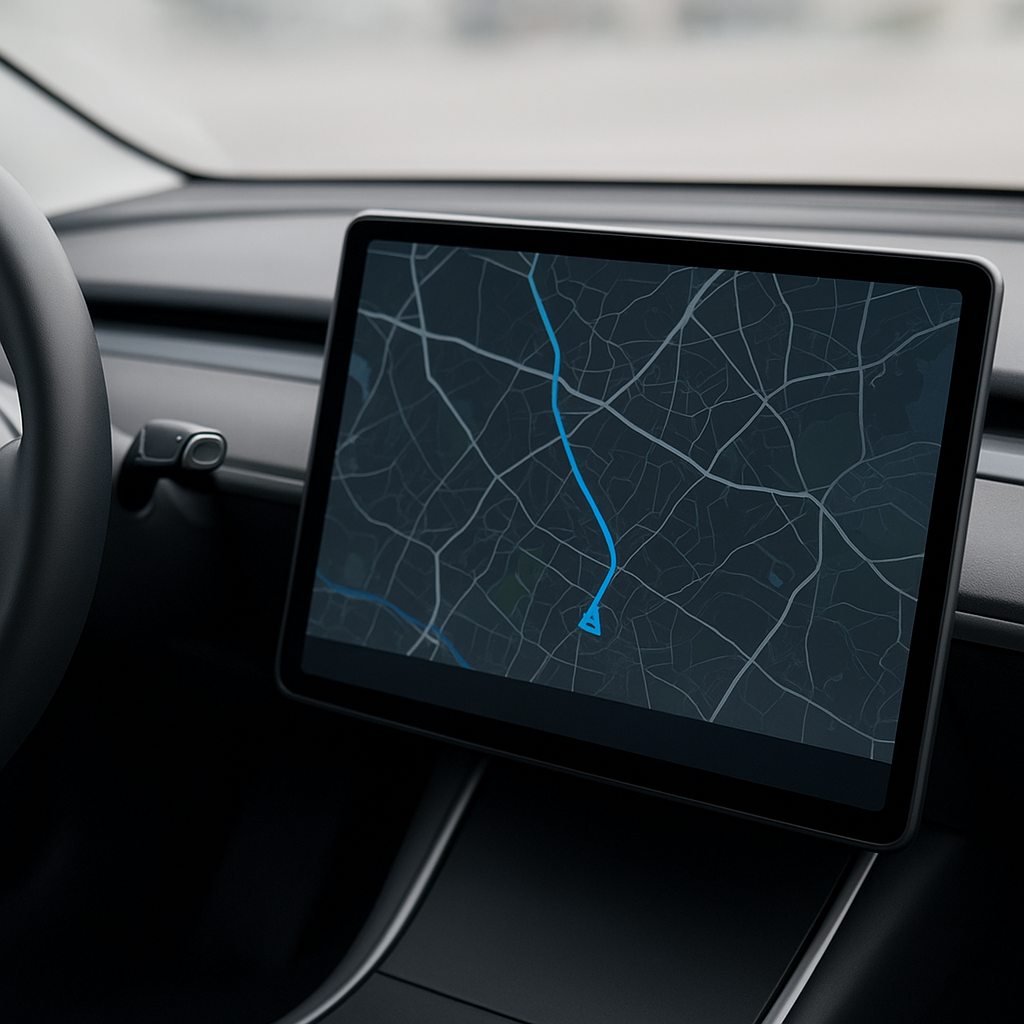
MapKit for Automotive: Enhancing EV Navigation
Integrating advanced mapping solutions into vehicles can significantly enhance user experience and operational efficiency. Ford’s recent collaboration with Apple to utilize Apple Maps through the new MapKit for Automotive SDK signifies a pivotal moment in the automotive industry. In this post, we will explore the implications of this integration for developers, the technical details behind it, and its potential impact on the future of electric vehicles (EVs).
What Is MapKit for Automotive?
MapKit for Automotive is a software development kit (SDK) that allows automakers to directly embed Apple Maps navigation and mapping features into their vehicles’ infotainment systems. This innovation is particularly crucial as the automotive industry shifts towards more integrated and user-friendly technology solutions. With Ford being the first automaker to adopt this SDK, it sets a benchmark for how navigation can enhance the driving experience in EVs.
Why This Matters Now
The automotive landscape is undergoing a transformation, with electric vehicles (EVs) rapidly gaining traction. As manufacturers strive to enhance user experience and operational efficiency, the integration of advanced mapping solutions becomes essential. Ford’s partnership with Apple not only demonstrates a commitment to innovation but also aligns with current consumer demands for smarter, more efficient vehicles. The need for real-time navigation, efficient routing, and adaptive features is critical in today’s EV market.
As highlighted in a recent TechCrunch article, Ford’s new line of EVs will leverage these capabilities to offer features such as battery preconditioning and point-to-point autonomy, making it imperative for developers to understand how to leverage these tools effectively.
Technical Deep Dive
The integration of MapKit for Automotive involves several technical components that developers need to understand to maximize its potential. Here are key aspects:
- Native Integration: Unlike Apple CarPlay, which mirrors an iPhone’s apps, MapKit runs natively within the vehicle’s system, allowing for more responsive features.
- Real-Time Updates: The SDK provides real-time traffic and incident information, which can be crucial for routing efficiency.
- Battery Management: Features such as battery preconditioning optimize charging times by ensuring the battery reaches the ideal temperature before a driver arrives at a charging station.
- Smart Home Integration: Developers can build functionalities that allow the vehicle to interact with smart home devices, such as opening garage doors or adjusting home lighting.
Here’s a simplified code example that demonstrates how to implement a basic MapKit integration within an automotive app:
import MapKit
import UIKit

class VehicleMapViewController: UIViewController {
    var mapView: MKMapView!

    override func viewDidLoad() {
        super.viewDidLoad()
        mapView = MKMapView(frame: self.view.bounds)
        self.view.addSubview(mapView)
        let location = CLLocationCoordinate2D(latitude: 37.7749, longitude: -122.4194)
        let annotation = MKPointAnnotation()
        annotation.coordinate = location
        annotation.title = "Destination"
        mapView.addAnnotation(annotation)
        mapView.setCenter(location, animated: true)
    }
}
This snippet sets up a basic map view and adds an annotation for navigation purposes. Developers can build upon this base to include advanced routing features and real-time updates.
Real-World Applications
1. Enhanced Navigation for Fleet Management
Corporations using Ford vehicles can leverage MapKit for Automotive to optimize routes for their fleets, ensuring that drivers are directed efficiently to their job sites. This can save time and reduce fuel costs.
2. Smart Home Integration
With the ability to connect with smart home systems, drivers can automate tasks such as opening their garage doors or adjusting home heating when nearing their residence, enhancing convenience.
3. Real-Time Traffic Management
By providing real-time traffic updates, the integration helps drivers avoid congested areas, improving overall travel times — a critical factor for both personal and commercial use.
What This Means for Developers
Developers will need to adapt their skill sets to take full advantage of the MapKit for Automotive SDK. Understanding how to implement native applications that leverage real-time data and integrate seamlessly with vehicle systems will become increasingly important. Developers should focus on:
- Learning the MapKit SDK and its capabilities.
- Implementing real-time data handling for traffic and routing.
- Exploring smart home integrations to enhance user experience.
- Understanding the implications of battery management systems in EVs.
💡 Pro Insight: As automotive technology continues to evolve, the integration of advanced mapping solutions like MapKit for Automotive will redefine user experiences in EVs. Developers who embrace these changes will be at the forefront of innovation in the rapidly expanding electric vehicle market.
Future of MapKit (2025–2030)
Looking ahead, the landscape for automotive integrations will likely evolve significantly. By 2025, we can expect to see widespread adoption of MapKit across various manufacturers, enabling a standardized approach to navigation and smart features. The integration of AI-driven analytics will enhance the predictive capabilities of these systems, offering personalized routing based on user behavior and preferences.
By 2030, the drive towards fully autonomous vehicles will push the boundaries of what MapKit can achieve, potentially allowing for fully hands-free driving experiences where navigation and vehicle control are seamlessly integrated. This integration will further streamline the driving experience and improve safety on the roads.
Challenges & Limitations
1. Data Privacy Concerns
As vehicles become increasingly connected, concerns about data privacy and user tracking will be paramount. Developers must ensure that data handling complies with regulations and protects user information.
2. Dependence on Connectivity
The functionality of MapKit relies heavily on internet connectivity. In areas with poor reception, the performance of navigation solutions may degrade, affecting user experience.
3. Integration Complexity
Embedding advanced features like MapKit into existing vehicle systems can pose challenges in terms of both technical integration and user interface design, requiring significant development resources.
4. Market Competition
As other automakers begin to explore similar partnerships and technologies, maintaining a competitive edge will require continuous innovation and updates to the MapKit integration.
Key Takeaways
- MapKit for Automotive allows for native integration of Apple Maps into vehicle infotainment systems, enhancing navigation capabilities.
- Ford’s collaboration with Apple sets a new standard for EV technology by focusing on user experience and operational efficiency.
- Developers need to adapt to new tools and frameworks introduced by MapKit to leverage its full potential.
- Future advancements may include AI-driven analytics and fully autonomous driving capabilities.
- Data privacy and connectivity challenges must be addressed to ensure user trust and seamless functionality.
Frequently Asked Questions
What is MapKit for Automotive?
MapKit for Automotive is an SDK that allows automakers to embed Apple Maps directly into vehicles’ infotainment systems, enhancing navigation and user experience.
How does Ford plan to use MapKit?
Ford plans to use MapKit to integrate features such as real-time traffic updates, battery preconditioning, and smart home connectivity into its upcoming EVs.
What are the main challenges with integrating MapKit?
Key challenges include data privacy concerns, dependence on connectivity, and the complexity of integrating new technologies into existing vehicle systems.
For more insights on the latest in AI and developer tools, follow KnowLatest for updates.