
Chip Manufacturing: Trends & Innovations for Developers
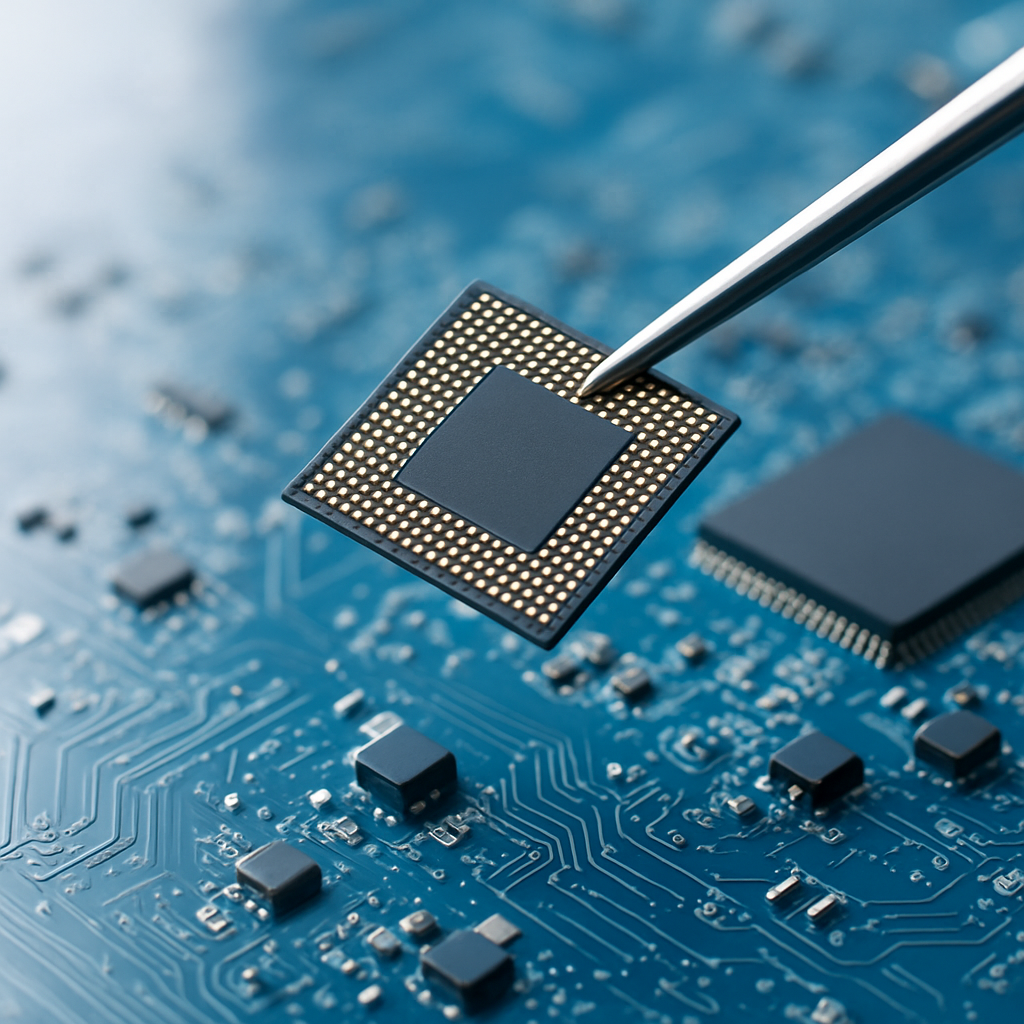
Chip manufacturing refers to the process of creating semiconductor devices that form the backbone of modern electronics. Recently, the hedge fund Situational Awareness made headlines by investing $400 million in the chip startup Source Foundry, highlighting the importance of innovation in this field. In this article, we will explore the implications of this investment for developers and the future of chip technology in AI applications.
What Is Chip Manufacturing?
Chip manufacturing is the intricate process of designing and fabricating semiconductor chips that are essential for electronic devices. The recent investment by Situational Awareness in Source Foundry underlines the growing significance of advancing chip technology, especially in AI and machine learning applications. Developers and technologists should understand the evolving landscape of chip manufacturing, as it directly impacts performance and efficiency in their projects.
Why This Matters Now
The investment from Situational Awareness comes at a time when the demand for faster, more efficient chips is surging. As AI technologies continue to proliferate in various sectors, optimizing chip performance has become crucial. The decline of AI infrastructure stocks has compelled investors to seek innovative solutions, making it imperative for startups like Source Foundry to innovate. Developers should be aware of the trends in chip technology that can enhance their applications.
Technical Deep Dive
Chip manufacturing involves multiple stages, from design to fabrication. Here’s a breakdown of the key processes involved:
- Design: This phase involves creating a blueprint for the semiconductor chip using CAD (Computer-Aided Design) software. Tools like
CadenceandSynopsysare commonly used. - Wafer Fabrication: The design is transferred onto silicon wafers through photolithography, etching, and doping processes. This is where the physical chips are created.
- Packaging: After fabrication, chips are packaged to protect them and enhance their connectivity with other components.
- Testing: Each chip undergoes rigorous testing to ensure functionality and performance before it is shipped.
These stages highlight the complexity involved in chip manufacturing, especially for applications in AI, where speed and efficiency are paramount.
Here’s a simple comparison table of traditional chips versus AI-optimized chips:
| Feature | Traditional Chips | AI-Optimized Chips |
|---|---|---|
| Processing Speed | Moderate | High |
| Power Efficiency | Standard | Enhanced |
| Use Case | General Purpose | Machine Learning |
Real-World Applications
1. Autonomous Vehicles
Companies are leveraging advanced chip technology to develop systems that can process vast amounts of data in real-time, essential for the safe operation of autonomous vehicles.
2. Robotics
In robotics, AI-optimized chips enable machines to make decisions and act swiftly, improving efficiency in manufacturing and logistics.
3. Smart Devices
Smart home devices use specialized chips to perform complex tasks while minimizing power consumption, showcasing the benefits of cutting-edge chip technology.
4. Healthcare
AI-driven diagnostics tools rely on high-performance chips to analyze medical data rapidly, improving patient outcomes through quicker decision-making.
What This Means for Developers
Developers should focus on understanding the implications of chip advancements for their applications. As chip performance improves, developers can expect to:
- Implement more complex algorithms without sacrificing speed.
- Explore new AI applications that were previously too resource-intensive.
- Optimize existing applications by leveraging updated hardware capabilities.
Pro Insight
💡 Pro Insight: As the chip manufacturing landscape evolves, we are likely to see a shift towards more specialized chips designed explicitly for AI applications. This trend will not only enhance performance but also drive down costs, making AI technology more accessible to developers across various sectors.
Future of Chip Manufacturing (2025–2030)
Looking ahead, the future of chip manufacturing will likely be shaped by several key trends. Firstly, we can expect a rise in quantum computing, which promises to revolutionize processing capabilities. Additionally, the development of 3D chip architectures will allow for denser packing of transistors, significantly boosting performance while reducing energy consumption.
Moreover, as AI continues to integrate into more sectors, the demand for chips tailored for machine learning will grow, leading to increased competition and innovation among manufacturers. By 2030, we may see chips that can adapt their processing capabilities in real-time based on workload demands, further enhancing efficiency.
Challenges & Limitations
1. Supply Chain Issues
The semiconductor industry has faced significant supply chain challenges, which can delay production and increase costs. Developers must be prepared for potential shortages and plan accordingly.
2. High R&D Costs
Developing advanced chips requires substantial investment in research and development, which may limit the number of startups that can compete in this space.
3. Technological Complexity
The intricate nature of chip design and fabrication can be a barrier for new entrants, necessitating specialized knowledge and skills.
4. Environmental Concerns
Chip manufacturing has environmental implications, including energy consumption and waste. As sustainability becomes a priority, developers and companies will need to consider eco-friendly practices.
Key Takeaways
- Chip manufacturing is crucial for the advancement of AI and other technologies.
- Investments in startups like Source Foundry signal a shift towards innovation in chip technology.
- Developers can leverage improved chip performance for more sophisticated applications.
- Future developments may include quantum computing and 3D chip architectures.
- Challenges in the semiconductor industry require proactive planning from developers.
Frequently Asked Questions
What is the significance of chip manufacturing in AI?
Chip manufacturing is critical in AI as it determines the processing speed and efficiency of AI applications, impacting everything from data analysis to real-time decision-making.
How do specialized chips enhance AI capabilities?
Specialized chips are designed to handle specific tasks related to AI, enabling faster processing and reduced energy consumption compared to general-purpose chips.
What are future trends in chip technology?
Future trends include the rise of quantum computing, 3D chip architectures, and chips tailored for machine learning, all of which will enhance performance and accessibility.
For more insights on AI and technology trends, follow KnowLatest.


