
Chip Manufacturing: Key Developments and Future Trends
Chip manufacturing refers to the process of designing and producing semiconductor chips used in various electronic devices. Recently, Situational Awareness, an AI-focused hedge fund, made headlines by investing $400 million in Source Foundry, a startup aiming to revolutionize chip manufacturing efficiency. In this article, we will explore the implications of such investments for developers and the tech landscape.
What Is Chip Manufacturing?
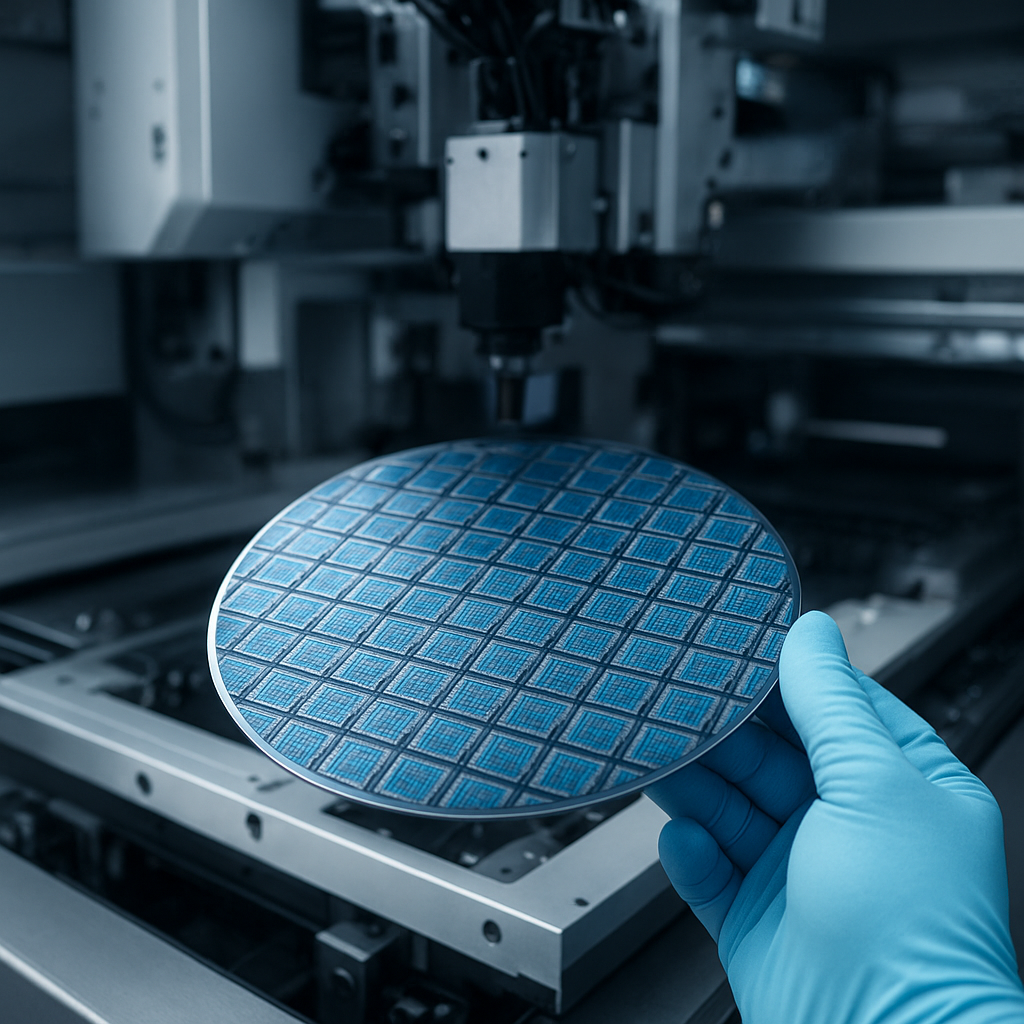
Chip manufacturing involves the intricate process of creating semiconductor chips, crucial for powering electronic devices. It encompasses design, fabrication, and testing, utilizing advanced technologies to produce efficient and reliable chips. The recent investment by Situational Awareness in Source Foundry highlights the growing focus on enhancing chip production capabilities, especially as demand for AI and machine learning continues to rise.
Why This Matters Now
The semiconductor industry is at a pivotal juncture, driven by increased demand for AI applications and the advent of new technologies. The global chip shortage has underscored the need for faster and more cost-effective manufacturing processes. Situational Awareness’s $400 million investment in Source Foundry is not just a financial move; it reflects a strategic effort to secure a competitive edge in the AI and semiconductor markets. Developers need to understand this trend as it impacts the tools and infrastructure available for AI development.
Technical Deep Dive
To grasp the significance of the investment in Source Foundry, it’s essential to explore the technological underpinnings of modern chip manufacturing. Here are some key aspects:
- Design Automation: Advanced software tools like
CadenceandMentor Graphicsare employed to automate the chip design process, enabling faster iterations and reduced time to market. - Fabrication Techniques: Techniques such as
PhotolithographyandEtchingare crucial for creating intricate chip designs at nanoscale levels. - Material Innovations: Companies are exploring new materials like
GrapheneandSilicon Carbideto enhance performance and reduce manufacturing costs. - Testing and Validation: Rigorous testing processes using tools like
Automated Test Equipment (ATE)ensure that chips meet industry standards before deployment.
| Technique | Description | Advantages |
|---|---|---|
| Photolithography | A process for transferring patterns onto semiconductor wafers. | High precision, scalability |
| Etching | Used to remove layers from the surface of a wafer. | Enables intricate designs |
| Material Innovations | Use of advanced materials to enhance chip performance. | Improved thermal conductivity, higher efficiency |
Real-World Applications
1. Automotive Industry
With the rise of electric vehicles (EVs), chip manufacturing has become crucial for integrating AI systems for enhanced safety and performance. Companies like Tesla leverage advanced chips for autonomous driving technologies.
2. Consumer Electronics
Smartphones and laptops require high-performance chips for tasks like image processing and machine learning. Innovations in chip manufacturing lead to reduced sizes and increased capabilities.
3. Healthcare Technologies
Chips play a vital role in medical devices, enabling real-time data processing for diagnostics and treatment. Companies are investing in specialized chips for improved reliability and performance.
What This Means for Developers
As chip manufacturing evolves, developers must adapt to new tools and frameworks that leverage these advancements. Key areas to focus on include:
- Understanding Hardware Interfaces: Familiarity with chip specifications and hardware interfaces will be essential for optimizing software performance.
- Leveraging AI Frameworks: Tools like
TensorFlowandPyTorchare increasingly optimized for specific chip architectures, enhancing machine learning model performance. - Engaging in Cross-Disciplinary Learning: Knowledge in both software and hardware domains will become a valuable asset as the lines between them continue to blur.
💡 Pro Insight: The future of chip manufacturing will increasingly focus on sustainable practices, as developers and companies strive to meet environmental regulations while maintaining performance. Innovations in materials and processes will be key to this transition.
Future of Chip Manufacturing (2025–2030)
Looking ahead, the chip manufacturing industry is poised for significant transformation. By 2030, we can expect several trends:
First, there will be a greater emphasis on sustainability. As environmental concerns grow, manufacturers will likely adopt eco-friendly materials and processes. Second, the rise of quantum computing may redefine chip architecture, leading to unprecedented computational capabilities. Finally, advancements in AI will facilitate smarter manufacturing processes, enabling real-time optimizations that enhance productivity and reduce waste.
Challenges & Limitations
Supply Chain Disruptions
The semiconductor supply chain is vulnerable to geopolitical tensions and natural disasters. Developers must account for potential delays and shortages in chip availability when planning projects.
Rapid Technological Changes
The pace of innovation in chip technology can outstrip developer knowledge and skills. Continuous learning will be necessary to keep up with new tools and methodologies.
Cost of Development
Investing in advanced chip manufacturing technologies can be prohibitively expensive, particularly for smaller companies. This can limit access to cutting-edge innovations.
Complex Regulatory Environment
As the industry evolves, regulatory requirements will likely become more stringent. Developers need to stay informed about compliance issues related to chip manufacturing and deployment.
Key Takeaways
- Chip manufacturing is crucial for powering modern electronic devices, particularly in AI applications.
- Investments in startups like Source Foundry signal a shift towards more efficient manufacturing processes.
- Developers should focus on hardware-software integration to optimize performance.
- Future trends will likely emphasize sustainability and the adoption of new materials.
- Staying informed about supply chain dynamics is vital for project planning.
Frequently Asked Questions
What is chip manufacturing?
Chip manufacturing refers to the process of designing and fabricating semiconductor chips used in electronic devices, involving intricate design and testing processes.
Why is there a focus on chip manufacturing now?
The ongoing chip shortage and increased demand for AI and electronic devices make advancements in chip manufacturing critical for market competitiveness.
What skills should developers focus on regarding chip technology?
Developers should enhance their understanding of hardware interfaces, machine learning frameworks, and engage in cross-disciplinary learning to leverage advancements in chip technology.
For more insights into AI and tech developments, follow KnowLatest for the latest updates.


