
Chip Manufacturing Innovations: Insights from Situational Awareness
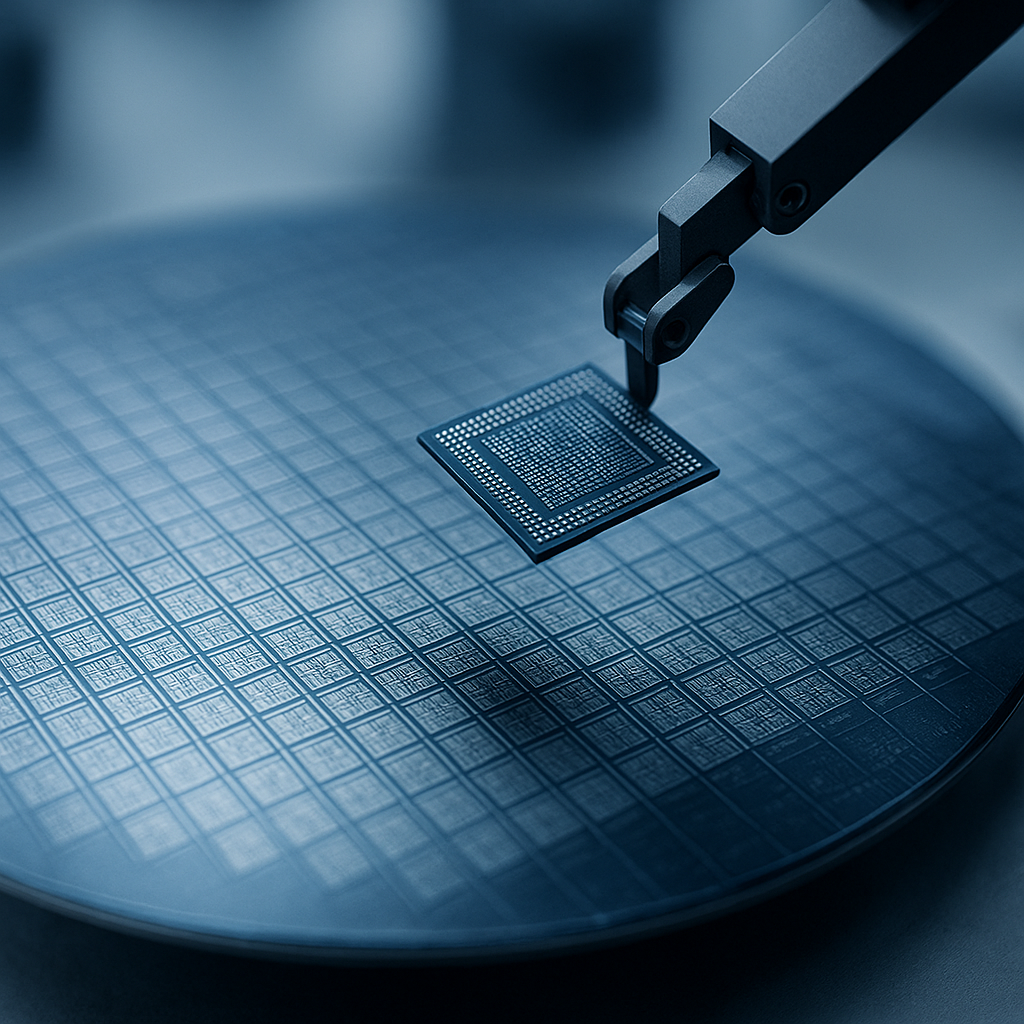
Chip manufacturing refers to the process of designing and producing semiconductor chips, which are foundational for a vast array of electronic devices. Recently, the hedge fund Situational Awareness invested $400 million into Source Foundry, a chip startup established by Stanford researchers, aiming to innovate in this space. In this article, you will learn about the emerging trends in chip manufacturing, the implications of such investments for developers, and how these advancements can shape the future of technology.
What Is Chip Manufacturing?
Chip manufacturing is the process of creating semiconductor devices that are essential for electronic systems. This includes fabrication, assembly, and testing of integrated circuits. The recent investment by Situational Awareness in Source Foundry underscores the rising importance and potential of innovations in chip production methods.
Why This Matters Now
The semiconductor industry is currently experiencing a resurgence driven by advancements in artificial intelligence, IoT, and consumer electronics. The investment by Situational Awareness, especially after a significant portfolio sell-off, signals confidence in the future of chip technology. With the demand for faster and more efficient chips growing, developers should be aware of how these changes can impact software and hardware development.
As AI continues to integrate into various sectors, the ability to produce chips at a lower cost and with increased speed can facilitate the deployment of more sophisticated AI applications.
Technical Deep Dive
Understanding the technical aspects behind chip manufacturing is crucial for developers looking to leverage these advancements. Chip manufacturing typically involves several key processes:
- Design: This is where the architecture of the chip is created, usually using sophisticated software tools.
- Fabrication: The actual production of the chips occurs in clean rooms using photolithography, etching, and doping techniques.
- Assembly: Once fabricated, the chips are assembled into packages for integration into devices.
- Testing: Rigorous testing ensures that chips meet quality and performance standards.
To give you an idea of the latest advancements in chip manufacturing, here’s a simple Python snippet outlining a basic simulation of chip performance analysis using NumPy:
import numpy as np

# Simulating chip performance metrics
def simulate_chip_performance(num_chips):
    speeds = np.random.normal(loc=2.5, scale=0.5, size=num_chips)  # GHz
    power_consumption = np.random.normal(loc=50, scale=10, size=num_chips)  # Watts
    return speeds, power_consumption

num_chips = 100
speeds, power = simulate_chip_performance(num_chips)
print("Chip Speeds (GHz):", speeds)
print("Power Consumption (Watts):", power)
This basic simulation can help developers understand performance metrics and make informed decisions on chip selection for their projects.
Real-World Applications
1. Consumer Electronics
With the demand for faster processors in smartphones and laptops, chip manufacturers are focusing on innovations to reduce latency and power consumption.
2. Automotive Industry
Advancements in chip technology are crucial for the development of autonomous vehicles, enabling sophisticated AI algorithms to process data in real-time.
3. IoT Devices
As more devices become interconnected, efficient chip designs allow for lower power consumption and improved battery life, essential for IoT applications.
4. Data Centers
Modern data centers are heavily reliant on high-performance chips for processing large volumes of data, making innovations in chip manufacturing critical for cloud services.
What This Means for Developers
Developers should familiarize themselves with emerging chip technologies and their implications on software development. Understanding chip capabilities can inform decisions on optimization strategies, especially when developing applications that require significant computational power.
Moreover, keeping up with the latest trends in semiconductor innovations can open new avenues for integrating cutting-edge technology into existing projects.
💡 Pro Insight: The investment by Situational Awareness in Source Foundry is not just a financial maneuver; it highlights a crucial pivot towards optimizing chip technologies that can drastically improve AI model training and deployment efficiencies.
Future of Chip Manufacturing (2025–2030)
Looking ahead, chip manufacturing is likely to undergo transformative changes driven by AI advancements and increased automation. By 2025, we may see a significant shift towards AI-driven design tools that enhance the efficiency of chip production processes. Additionally, innovations in materials science could lead to the production of chips that operate at higher speeds while consuming less energy.
By 2030, edge computing may become the norm, necessitating chips that are not only powerful but also designed for specific applications like machine learning and real-time data processing, further pushing the boundaries of what’s possible in various industries.
Challenges & Limitations
1. Supply Chain Vulnerabilities
The semiconductor industry is heavily reliant on a global supply chain that can be disrupted by geopolitical tensions or natural disasters, impacting production timelines.
2. High R&D Costs
Investing in new chip technologies requires significant financial resources, which may deter smaller startups from entering the market.
3. Technological Complexity
The intricacies involved in chip design and manufacturing require specialized knowledge, posing a barrier for new entrants into the industry.
4. Environmental Concerns
The manufacturing process can have substantial environmental impacts, necessitating the development of sustainable practices to mitigate these effects.
Key Takeaways
- Chip manufacturing is crucial for the advancement of technology across multiple sectors.
- Investments in chip startups signal a shift towards more efficient and innovative production methods.
- Developers must stay informed about chip capabilities to optimize software applications effectively.
- Future trends indicate a move towards AI-driven design and edge computing solutions.
- Challenges in supply chain and R&D costs remain significant hurdles for the semiconductor industry.
Frequently Asked Questions
What role do chips play in AI?
Chips are essential for processing the vast amounts of data required for AI algorithms, enabling faster computations and real-time analysis.
How can developers optimize applications based on chip performance?
By understanding the specifications and capabilities of the chips in use, developers can tailor their applications to leverage the strengths of these chips, improving efficiency and performance.
What future trends should developers watch in chip manufacturing?
Developers should keep an eye on advancements in AI-driven chip design, the rise of specialized chips for specific applications, and sustainable manufacturing practices.
For more insights on AI and chip technology, follow KnowLatest for the latest updates and expert analysis.


