
Chip Manufacturing: Insights from Situational Awareness’ Investment
Chip manufacturing refers to the processes involved in producing semiconductor chips that are essential for modern electronics. Following the recent $400 million investment by Situational Awareness hedge fund into Source Foundry, a startup focused on optimizing chip manufacturing, the industry is witnessing a surge in innovation and investment. In this post, we’ll explore the implications of this investment on chip manufacturing and its significance for developers and AI practitioners.
What Is Chip Manufacturing?
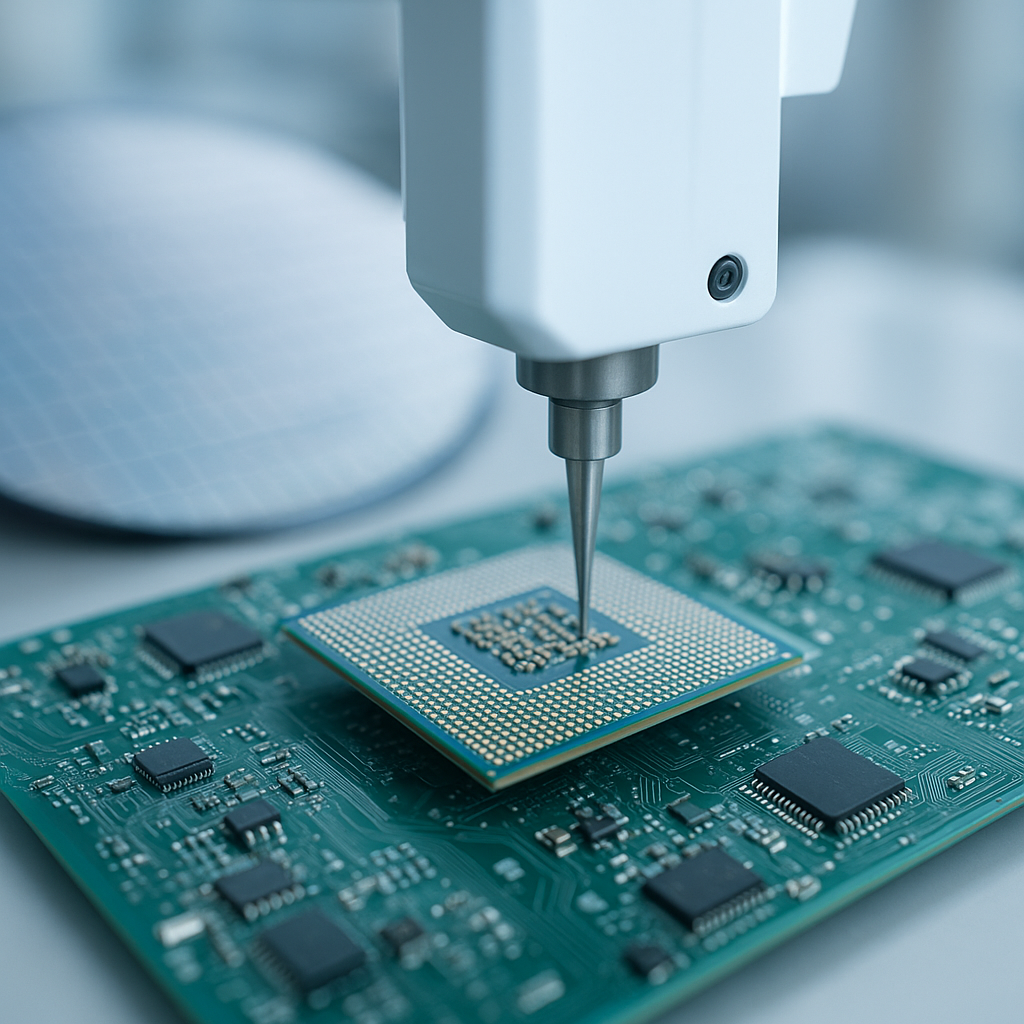
Chip manufacturing is the process of designing and fabricating semiconductor devices, commonly known as chips, which power a variety of electronics from smartphones to AI systems. This process involves numerous steps, including wafer fabrication, assembly, and testing. The recent $400 million investment by Situational Awareness in Source Foundry underscores the growing importance of efficient and cost-effective chip manufacturing in today’s tech landscape.
Why This Matters Now
The chip manufacturing sector is under immense pressure to innovate rapidly due to escalating demands from AI and machine learning applications. With hedge funds like Situational Awareness backing startups such as Source Foundry, there is a clear signal that investment in cutting-edge technology can lead to breakthroughs in production efficiency. This is vital as global supply chains face challenges and industries increasingly rely on sophisticated chips for AI, IoT, and high-performance computing. Developers should take note, as these advancements directly impact software performance and capabilities.
Technical Deep Dive
Understanding the intricacies of chip manufacturing is essential for developers looking to leverage these technologies in their applications. Here are key processes involved:
- Wafer Fabrication: The initial phase where silicon wafers are transformed into functional chips through photolithography, etching, and doping.
- Assembly: After fabrication, chips are assembled into packages that protect and connect them to other electronic components.
- Testing: Each chip undergoes rigorous testing to ensure functionality and reliability.
For those interested in the software side, understanding these processes can aid in optimizing applications that rely on chip performance. For example, using Python with the numpy library, developers can simulate chip behavior:
import numpy as np

# Simulating chip performance degradation over time
time = np.arange(0, 100, 1)
performance = 100 * np.exp(-0.01 * time)

# Plotting performance over time
import matplotlib.pyplot as plt
plt.plot(time, performance)
plt.title("Chip Performance Over Time")
plt.xlabel("Time (days)")
plt.ylabel("Performance (%)")
plt.show()
Real-World Applications
1. AI and Machine Learning
Chips optimized for AI workloads can significantly speed up processing times. Companies like NVIDIA and AMD are already investing heavily in this area.
2. IoT Devices
With the rise of IoT, chip manufacturing needs to focus on creating smaller, energy-efficient chips that can handle diverse tasks in connected devices.
3. Automotive Industry
The automotive sector is increasingly integrating AI capabilities, necessitating advanced chip designs that support real-time data processing.
4. Telecommunications
5G technology requires advanced chips that can manage higher data rates and lower latency, which is driving innovation in chip manufacturing.
What This Means for Developers
Developers should focus on understanding the underlying hardware that their software runs on. This includes:
- Learning about low-level programming to optimize code for specific chip architectures.
- Exploring how different chips handle AI workloads, which can influence application design.
- Staying updated on advancements in chip technology to leverage new capabilities in future projects.
💡 Pro Insight: The ongoing investment in chip manufacturing signals a shift towards more specialized devices that cater to specific AI tasks. As developers, adapting to this trend will be crucial for creating efficient applications that can fully utilize the capabilities of next-generation chips.
Future of Chip Manufacturing (2025–2030)
Looking ahead, the future of chip manufacturing is poised for transformative changes. By 2025, we can expect advancements in quantum computing chips, which will redefine processing speeds and capabilities. Moreover, the trend towards sustainable manufacturing practices is likely to increase, as environmental concerns shape industry standards. By 2030, we may see a significant shift towards decentralized chip production, reducing reliance on global supply chains and improving resilience against disruptions.
Challenges & Limitations
1. High Production Costs
Even with new technologies, the costs associated with chip manufacturing remain a barrier for many startups. Innovations must also prove economically viable.
2. Supply Chain Disruptions
Recent global events have exposed vulnerabilities in chip supply chains, making it crucial for manufacturers to develop more resilient systems.
3. Rapid Technological Changes
The pace of technological advancement can make it difficult for manufacturers to keep up and innovate sustainably.
4. Environmental Impact
As the industry grows, so does scrutiny over its environmental footprint, pushing for greener manufacturing processes.
Key Takeaways
- Chip manufacturing is critical to the advancement of AI and IoT technologies.
- Investments in chip startups reflect the industry’s focus on improving production efficiency.
- Developers must understand hardware intricacies to optimize software performance.
- Future technologies will likely include quantum computing and sustainable manufacturing practices.
- Challenges such as high costs and supply chain disruptions remain significant hurdles.
Frequently Asked Questions
What role do chips play in AI?
Chips are essential for processing data in AI applications, enabling faster and more efficient computations for machine learning algorithms.
How can developers optimize software for specific chip architectures?
Developers can optimize software by understanding the chip’s instruction set and utilizing languages that allow for low-level programming, such as C or assembly.
What are the main challenges in chip manufacturing today?
The primary challenges include high production costs, supply chain disruptions, rapid technological changes, and environmental impacts.
To stay informed about developments in chip manufacturing and other AI news, follow KnowLatest for the latest insights and updates.


