AI Conversation Management: Insights from Apple Watch Features
Apple Watch’s AI features for conversation management are set to revolutionize how users interact with their devices. The newly announced Audio Intelligence technology provides innovative capabilities for recalling and summarizing conversations, making it a valuable tool for developers and users alike. In this post, you’ll learn how these features function, their potential applications, and the implications for developers creating similar technologies.
What Is AI Conversation Management?
AI conversation management refers to the use of artificial intelligence technologies to enhance the way we record, recall, and summarize spoken interactions. This is especially relevant for devices like the Apple Watch, which are increasingly integrating AI features to improve user engagement. The recent beta testing of Apple’s Audio Intelligence technology showcases how AI can assist users in managing conversations effectively.
Why This Matters Now
The integration of AI in everyday devices is becoming increasingly relevant as remote work and digital communication continue to rise. Features like Apple’s Live Rewind and Siri Recaps provide solutions for users trying to capture essential information from conversations without manual note-taking. This has particular significance for developers focusing on accessibility features, as well as those creating tools for productivity enhancement.
With the growing demand for AI-driven tools, particularly within the context of personal devices, understanding these features can help developers create applications that leverage similar capabilities. Moreover, the privacy concerns associated with recording conversations are being addressed through innovative design, making this a critical area for development.
Technical Deep Dive
The core of Apple’s Audio Intelligence technology comprises several key features designed to enhance user experience:
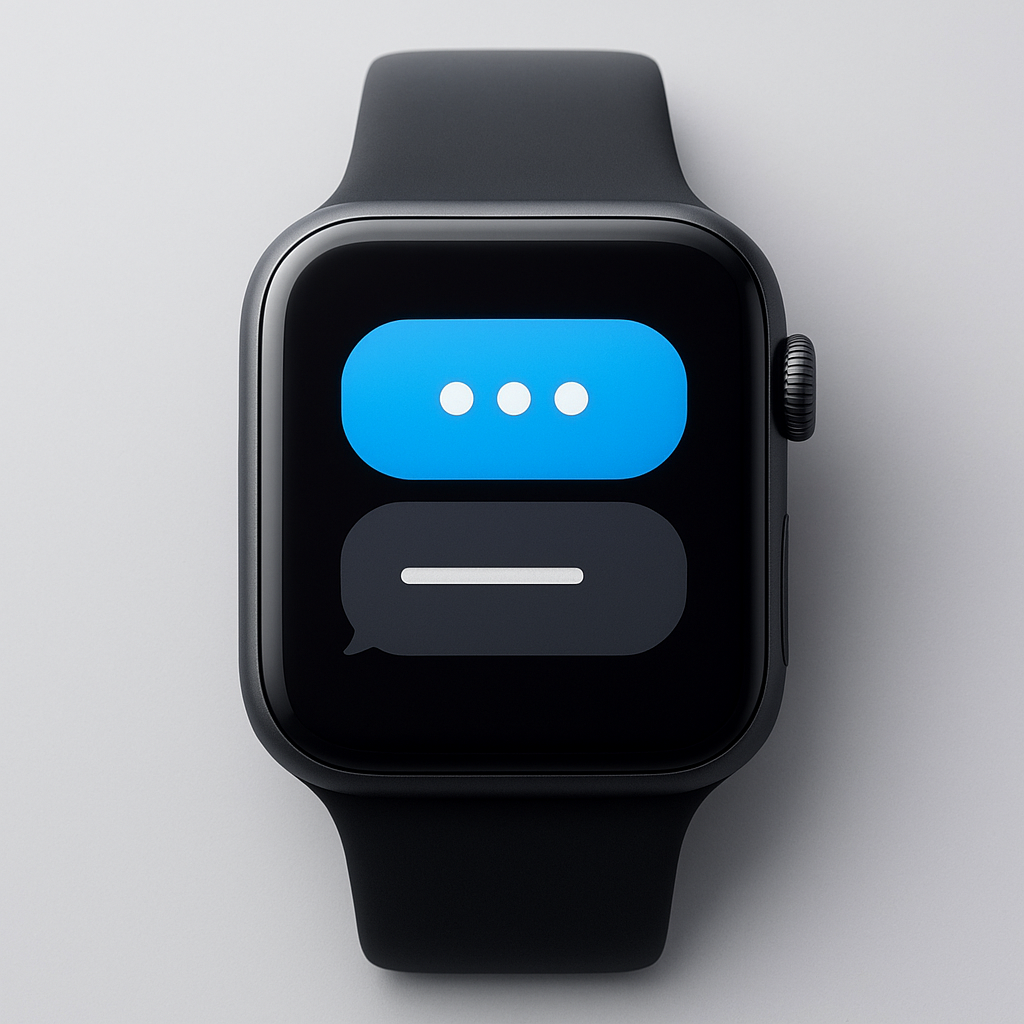
- Live Rewind: This feature allows users to go back and view a snippet of a conversation that occurred up to 15 seconds prior. Users double-press the digital crown to activate this feature, which notifies those nearby through a visual and auditory cue.
- Siri Recaps: This capability summarizes conversations into short sentences and bullet points, highlighting essential facts without storing raw audio or identifying speakers. This allows users to focus on key details rather than sifting through lengthy recordings.
From a technical perspective, these features rely on advanced speech recognition algorithms and natural language processing techniques. The process generally includes the following steps:
- Sound Detection: The device continuously monitors ambient sounds and conversations.
- Audio Processing: When a user activates a feature, the device captures and processes the last few seconds of audio.
- Summarization: Leveraging NLP algorithms, the device generates a concise summary of the conversation.
Here’s a simplified example of how audio processing might be implemented using Python and a speech recognition library:
import speech_recognition as sr

# Initialize recognizer
recognizer = sr.Recognizer()

# Capture audio
with sr.Microphone() as source:
    print("Listening...")
    audio_data = recognizer.listen(source)

# Recognize speech using Google Speech Recognition
try:
    text = recognizer.recognize_google(audio_data)
    print("You said: " + text)
except sr.UnknownValueError:
    print("Could not understand audio")
except sr.RequestError as e:
    print(f"Could not request results from Google Speech Recognition service; {e}")
This example demonstrates how audio can be captured and processed. Developers looking to implement similar features can utilize libraries like speech_recognition in Python to build their own applications.
Real-World Applications
1. Accessibility Tools
Developers can leverage these AI features to create accessibility tools for individuals with hearing impairments, ensuring they can engage fully in conversations.
2. Productivity Enhancements
In corporate environments, tools that summarize meetings can significantly boost productivity by reducing the need for extensive note-taking.
3. Educational Tools
For educators, AI conversation management could facilitate note-taking during lectures, allowing students to focus on understanding rather than scribbling notes.
4. Customer Support Solutions
AI features can also be integrated into customer service applications where capturing and summarizing client interactions is crucial for service improvement.
What This Means for Developers
Developers should consider incorporating similar AI features into their applications, focusing on enhancing user experience through intuitive design and functionality. Understanding how to implement AI-driven audio processing can open new avenues for application development, particularly in sectors requiring data capture and analysis.
Additionally, developers should familiarize themselves with existing libraries and frameworks that facilitate speech recognition and natural language processing, such as spaCy, NLTK, and BERT.
💡 Pro Insight: The future of AI conversation management lies in user-centered design that prioritizes privacy and security. As developers create tools that harness these capabilities, they must balance functionality with ethical considerations in data handling and user consent.
Future of AI Conversation Management (2025–2030)
As AI technologies continue to evolve, the future of conversation management looks promising. Developers can expect advancements in real-time processing capabilities, allowing for seamless integration of AI features into everyday applications. Enhanced algorithms will likely improve the accuracy of speech recognition and summarization, making these tools even more reliable and useful.
Furthermore, with an increasing emphasis on privacy, future developments may include more robust consent mechanisms, allowing users to control how their data is used, while still benefiting from AI features. This approach will be essential for fostering user trust and encouraging widespread adoption of AI technologies in conversation management.
Challenges & Limitations
Privacy Concerns
Despite the innovative features, privacy remains a significant concern. Users may be wary of how their conversations are processed, necessitating transparent data handling policies.
Technical Limitations
Current AI models may struggle with accents, dialects, and background noise, which can hinder the effectiveness of conversation management tools.
Dependency on Technology
Over-reliance on AI for conversation management could lead to skill degradation in traditional note-taking and memory retention, posing a long-term challenge for users.
Integration with Existing Systems
Developers may face challenges when integrating new AI features with existing applications, requiring careful planning and execution to ensure compatibility.
Key Takeaways
- AI conversation management enhances user interaction with devices through features like Live Rewind and Siri Recaps.
- Understanding AI-driven audio processing is crucial for developers looking to implement similar functionalities.
- Real-world applications span accessibility, productivity, education, and customer support sectors.
- Future developments will focus on improving privacy, real-time processing, and user trust.
- Challenges such as privacy concerns and technical limitations must be addressed for successful adoption.
Frequently Asked Questions
What is AI conversation management?
AI conversation management involves using artificial intelligence to record, recall, and summarize spoken interactions, allowing users to manage conversations effectively.
How can developers implement AI conversation features?
Developers can utilize libraries like speech_recognition and spaCy to build applications that capture and process audio for conversation management.
What are the privacy implications of conversation management tools?
Privacy is a significant concern, as users may be apprehensive about how their conversations are recorded and processed. Transparent data handling policies are essential to address these concerns.
Stay updated on the latest AI and developer news by following KnowLatest.