AI Data Center Development: Challenges and Insights
Data center development challenges have become increasingly prominent as the demand for AI infrastructure grows. The recent sale of a troubled data center project in Wyoming from Crusoe to Google highlights the complexities involved in scaling AI operations. In this article, we will explore the intricacies of data center development, the technical challenges faced by developers, and practical insights for those navigating this evolving landscape.
What Is AI Data Center Development?
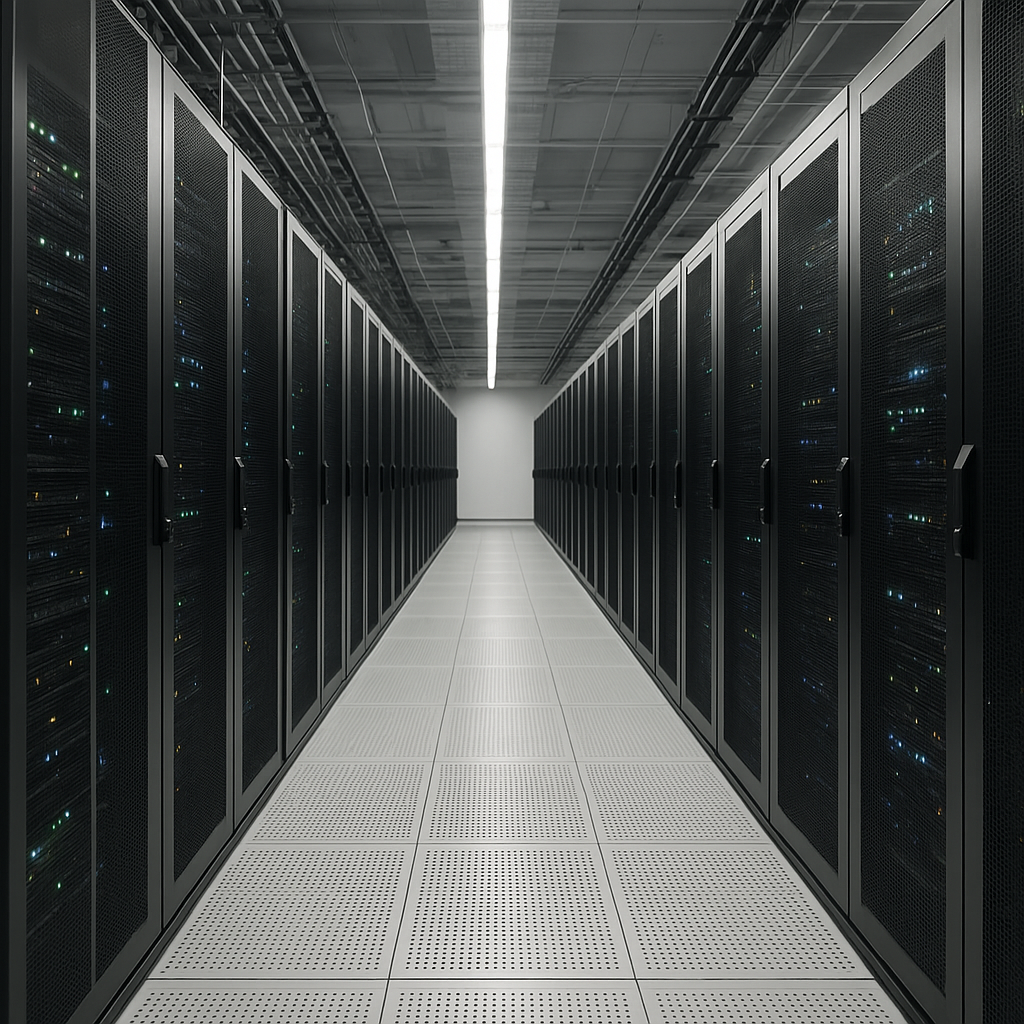
AI data center development refers to the process of designing, constructing, and managing facilities specifically optimized for artificial intelligence workloads. This includes ensuring adequate power supply, cooling systems, and physical infrastructure to support the high computational demands of AI systems. The sale of Crusoe’s unfinished data center project to Google underscores the challenges in delivering such complex projects efficiently.
Why This Matters Now
As the demand for AI capabilities skyrockets, the need for robust data centers has never been more critical. The recent acquisition of Crusoe’s Wyoming project by Google illustrates the difficulties independent developers face in executing large-scale AI infrastructure projects. Factors such as rising construction costs, power availability, and local community opposition can severely impact timelines and budgets. Developers need to be aware of these challenges to ensure their projects remain viable and competitive.
Technical Deep Dive
Building AI-centric data centers involves several technical components that developers must navigate carefully:
- Power Management: Ensuring a consistent and scalable power supply is crucial. Developers often partner with energy providers to secure renewable energy sources. For example, Crusoe aimed for a 10-gigawatt capacity, emphasizing the scale necessary for modern AI workloads.
- Cooling Solutions: AI workloads generate significant heat, necessitating advanced cooling techniques. Traditional HVAC systems may not suffice; thus, liquid cooling or immersion cooling solutions are gaining popularity.
- Hardware Configuration: The selection of GPUs and other hardware components tailored for AI processing is vital. This involves optimizing configurations for multi-GPU setups to enhance performance.
For instance, a basic implementation of a server configuration might look like this:
server {
    listen 80;
    server_name example.com;

    location / {
        proxy_pass http://localhost:8000;
        proxy_set_header Host $host;
        proxy_set_header X-Real-IP $remote_addr;
        proxy_set_header X-Forwarded-For $proxy_add_x_forwarded_for;
    }
}
Following are some key considerations when planning the architecture:
| Component | Considerations | Best Practices |
|---|---|---|
| Power Supply | Renewable energy sources, redundancy | Partner with local power grids for sustainability |
| Cooling Systems | Heat dissipation, energy efficiency | Implement liquid cooling where feasible |
| Network Infrastructure | Bandwidth, latency, reliability | Use high-speed fiber connections |
Real-World Applications
1. AI Model Training
Data centers are integral for training large-scale AI models. Companies like OpenAI leverage powerful GPU clusters to handle extensive datasets and complex algorithms, ensuring faster convergence and improved model accuracy.
2. Cloud Services
Cloud providers such as Google Cloud and AWS offer AI services that necessitate robust data centers. Developers can utilize these platforms to deploy AI applications without the overhead of maintaining physical infrastructure.
3. Edge Computing
As edge computing becomes more prevalent, data centers need to be strategically located to minimize latency. This design necessitates careful planning and construction to ensure optimal performance for real-time applications.
What This Means for Developers
Developers must enhance their understanding of the entire lifecycle of data center development. This includes:
- Familiarity with energy-efficient technologies to reduce operational costs.
- Knowledge of advanced cooling systems that can mitigate heat generation.
- Understanding the importance of hardware selection for optimized performance in AI workloads.
Adapting skills to project management and environmental regulations will also be crucial as the industry evolves.
💡 Pro Insight: The shift towards sustainable energy sources in data center development is not just a trend; it’s a necessity. As the industry faces increasing scrutiny over carbon footprints, developers who prioritize green technologies will have a competitive advantage in securing partnerships and funding.
Future of AI Data Center Development (2025–2030)
Looking ahead, AI data center development is poised for significant transformation. By 2030, we can anticipate:
- Increased Automation: Automation in construction and management will become more prevalent, reducing operational costs and improving efficiency.
- Enhanced AI Capabilities: As AI technology advances, data centers will need to evolve to support even larger models with enhanced computational power.
- Sustainability Focus: More data centers will adopt green technologies, such as solar and wind energy, to minimize their environmental impact.
Challenges & Limitations
1. High Initial Investment
Establishing a data center requires substantial capital, often making it difficult for smaller developers to enter the market. The recent sale of Crusoe’s Wyoming project to Google highlights the financial risks involved.
2. Regulatory Hurdles
Compliance with local regulations can pose challenges, especially as communities increasingly voice concerns about environmental impacts. Developers must be prepared to engage with stakeholders effectively.
3. Supply Chain Issues
Securing the necessary hardware can lead to delays and increased costs. Developers need to establish robust supply chain relationships to mitigate these risks.
4. Community Opposition
Local resistance to new projects can lead to significant delays. Engaging with the community early in the planning process can help alleviate concerns.
Key Takeaways
- AI data center development is critical for supporting modern AI workloads.
- Power management and cooling solutions are vital components of data center design.
- Understanding regulatory and community engagement is essential for project success.
- Future data centers will focus more on sustainability and automation.
- Developers must adapt to evolving technologies and regulatory landscapes.
Frequently Asked Questions
What are the main challenges in AI data center development? The primary challenges include high initial investment, regulatory compliance, supply chain issues, and community opposition.
How do cooling solutions affect data center performance? Effective cooling solutions are critical for managing heat generated by high-performance computing, thereby enhancing overall system reliability and efficiency.
What role does sustainability play in future data centers? Sustainability is becoming increasingly important as developers seek to minimize their environmental impact and meet regulatory requirements, leading to the adoption of green technologies.
For more insights and updates on AI and cloud computing, follow KnowLatest.