AI Agents Will Replace Smartphone Apps: Insights from Carl Pei
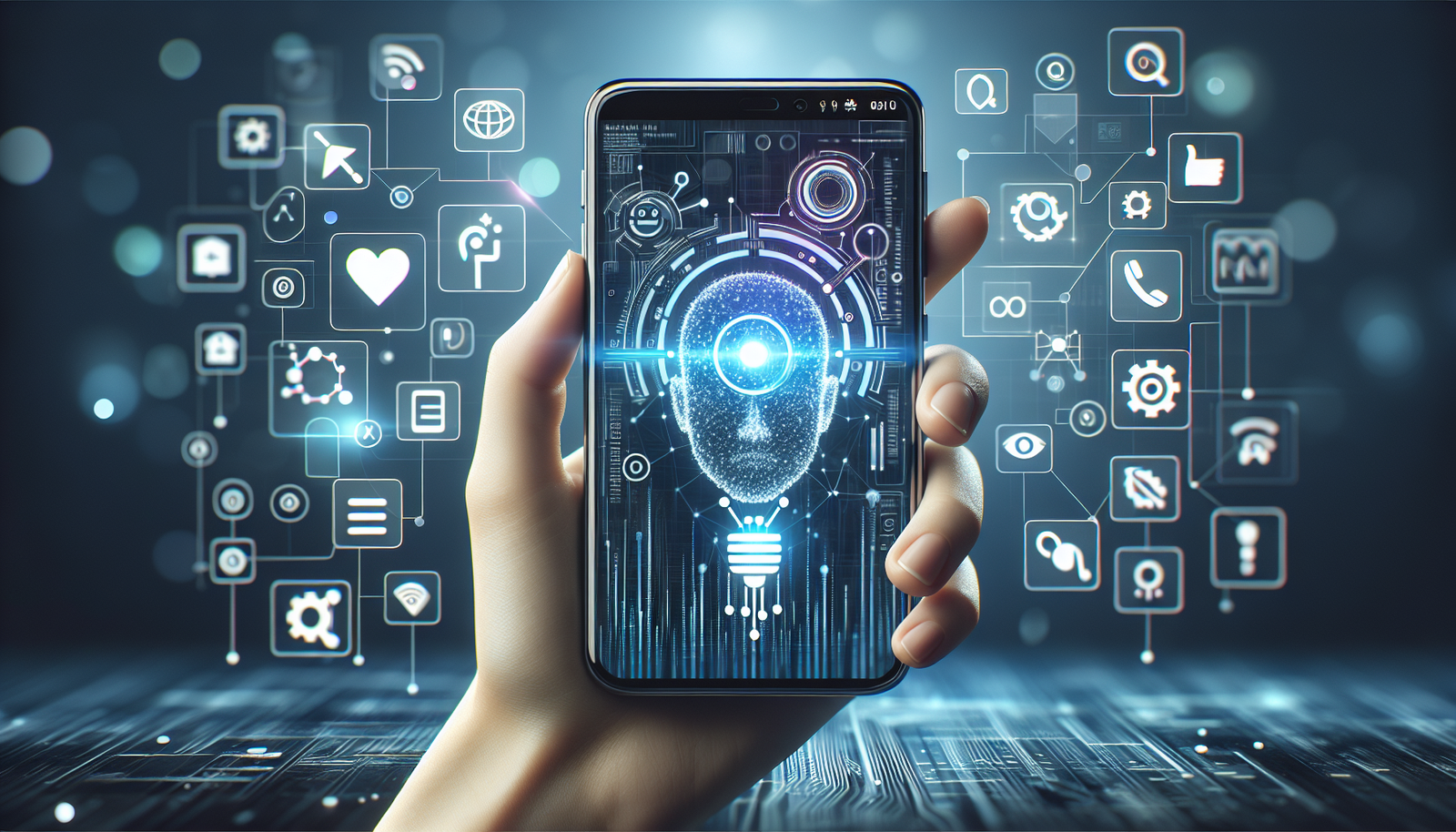
In a bold vision for the future, Nothing CEO Carl Pei has announced that smartphone apps will eventually become obsolete, replaced by AI agents that intuitively understand user intent. This shift signifies a major transformation in how we interact with technology, enabling devices to perform tasks on our behalf. In this article, we’ll explore Pei’s insights and what this means for developers and tech enthusiasts.
Why AI Agents Will Replace Smartphone Apps
The emergence of AI technology is reshaping industries, and the smartphone landscape is no exception. Carl Pei argues that the current app-centric model is outdated, claiming that it complicates everyday tasks by requiring users to navigate through multiple applications. AI agents promise to streamline this process, acting as personal assistants that anticipate user needs. This evolution is significant not just for consumers but also for developers, who must adapt to this impending shift.
Technical Mechanisms Behind AI Agents
Pei emphasizes that the transition from apps to AI agents involves a deeper understanding of user behavior and intent. Here’s how this transition is expected to unfold:
- Intent Recognition: AI agents will analyze user behavior over time to gauge their intentions, making suggestions without needing explicit commands.
- Task Automation: Initial implementations might include features that execute commands for users, like making reservations or sending messages.
- Personalization: As AI agents learn from user interactions, they can provide tailored recommendations, enhancing user experience.
For instance, if a user wants to grab coffee, the AI could automatically handle messaging, navigation, and ride-sharing arrangements without manual input, streamlining the entire process.
Real-World Applications of AI Agents
The implications of AI agents extend across various industries. Here are some practical use cases:
- Healthcare: AI agents could manage appointments, monitor health metrics, and offer reminders for medication.
- Travel: Travelers could receive personalized itinerary suggestions, booking assistance, and real-time updates.
- Smart Homes: AI agents could integrate with IoT devices to manage household tasks, from adjusting thermostats to ordering groceries.
This shift towards AI-driven devices also poses a challenge for developers to rethink their strategies in app development, shifting focus to AI capabilities and integrations.
“The future of smartphones or operating systems should just be: ‘I know you very well, and if I know your intention, I just do it for you,’” Pei stated, highlighting the need for a paradigm shift in user interaction.
Challenges and Limitations of AI Agents
While the potential of AI agents is promising, several challenges must be addressed. These include:
- Data Privacy: The collection of user data to personalize experiences raises concerns about privacy and security.
- Accuracy: Misinterpretations of user intent could lead to frustrating experiences, necessitating robust AI training.
- Transition Period: Existing app ecosystems won’t vanish overnight, leading to a period of overlap that could confuse users.
These challenges underscore the need for developers and companies to approach this transition with caution and responsibility.
Key Takeaways
- AI agents are set to replace traditional smartphone apps, enhancing user experience.
- These agents will automate tasks and learn from user behavior over time.
- Real-world applications span healthcare, travel, and smart homes.
- Challenges include data privacy concerns and the need for accurate intent recognition.
- Developers must adapt to this shift by focusing on AI integrations.
Frequently Asked Questions
Will AI agents completely replace smartphone apps?
While AI agents are expected to take over many functions of apps, the transition will be gradual. Initially, apps will coexist with AI functionalities, but their roles will evolve over time.
What are the benefits of using AI agents?
AI agents promise to simplify user interactions by anticipating needs and automating tasks, ultimately improving efficiency and user satisfaction. This could lead to a more intuitive technology experience.
How can developers prepare for this shift?
Developers should focus on integrating AI capabilities into their products and rethink user experiences to align with this new AI-first approach. Staying informed about AI advancements will also be crucial.
For more insights on the future of technology and AI developments, be sure to follow KnowLatest.