Jeff Bezos’s $100 Billion Plan to Transform Manufacturing with AI
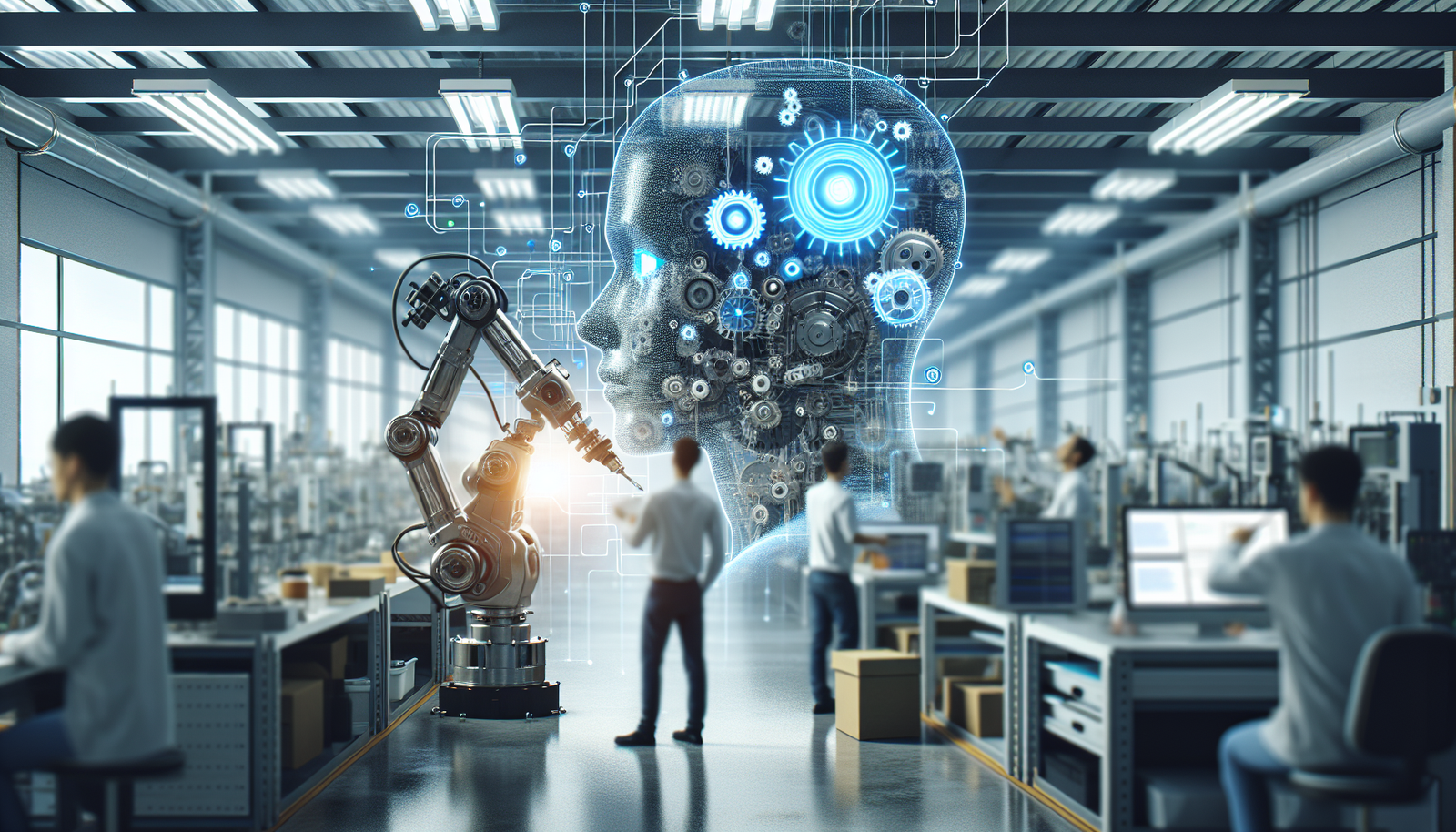
Jeff Bezos is reportedly seeking $100 billion to acquire and transform old manufacturing firms using advanced AI technologies. This ambitious initiative, linked to his AI startup Project Prometheus, aims to modernize various industrial sectors. In this post, we’ll delve into how this venture could reshape manufacturing through AI integration and what it means for developers and industry practitioners.
Why Jeff Bezos’s $100 Billion Manufacturing Initiative Matters
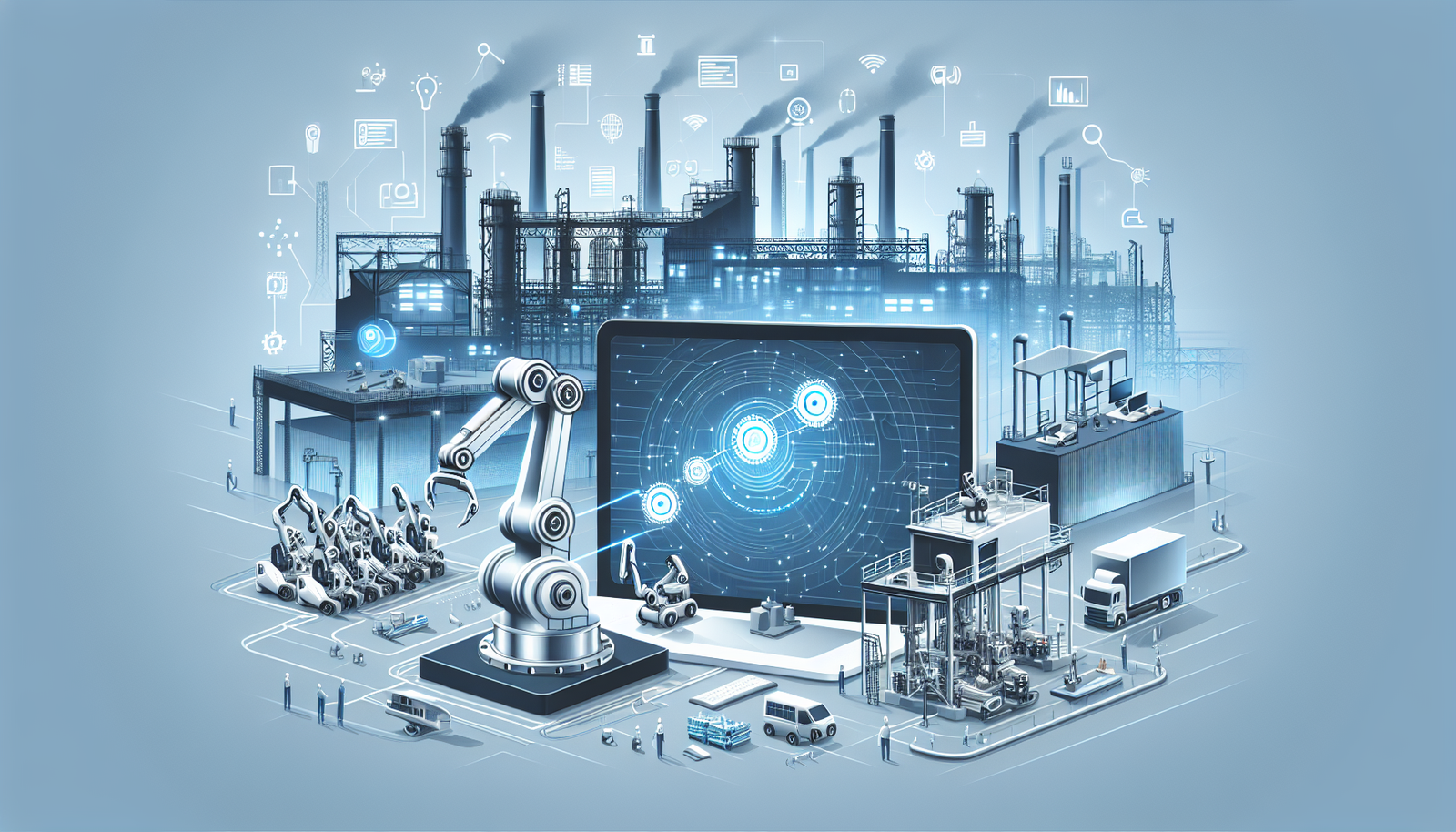
Bezos’s plan to invest $100 billion in acquiring outdated manufacturing firms is a significant move, particularly in the context of today’s rapidly evolving technological landscape. As industries face increasing pressure to innovate, integrating AI into manufacturing processes can address critical challenges such as inefficiency, high operational costs, and outdated practices. This initiative is not just about acquisition; it’s about revitalizing sectors like aerospace, automotive, and chipmaking through intelligent automation and improved decision-making.
Understanding Project Prometheus and Its Goals
Project Prometheus, co-founded by Bezos and former Google executive Vik Bajaj, launched with an initial funding of $6.2 billion. The project focuses on developing high-level AI models specifically aimed at enhancing manufacturing and engineering capabilities. The goal is to leverage these AI models in the firms acquired to create streamlined operations that can adapt to changing market demands.
// Example of AI model development in manufacturing
def optimize_production(data):
    # Implement AI algorithms to analyze production metrics
    pass
Key Features of the AI Models
- Real-time analytics: Monitoring production processes to minimize downtime.
- Predictive maintenance: Using historical data to foresee equipment failures.
- Supply chain optimization: Enhancing logistics through AI-driven insights.
Real-World Applications of AI in Manufacturing
The implications of Bezos’s initiative extend across various industries. For example, in aerospace, AI can improve design processes and manufacturing precision, leading to safer and more efficient aircraft. In automotive manufacturing, AI can enhance production lines, reducing waste and increasing speed. The chipmaking industry can also benefit through better yield predictions and increased automation, which are critical for meeting the growing demand for technology.
“As researchers at Project Prometheus emphasize, integrating AI into traditional manufacturing sectors can lead to unprecedented efficiencies and innovation.”
Challenges and Limitations of AI Integration
While the potential benefits of AI in manufacturing are substantial, the initiative is not without challenges. Issues such as workforce displacement, the need for substantial upfront investment, and the integration of legacy systems can pose significant hurdles. Companies must also navigate the complexities of data security and ethical considerations surrounding AI deployment. Addressing these challenges will be crucial for the success of Bezos’s ambitious plan.
Key Takeaways
- Jeff Bezos aims to invest $100 billion in transforming old manufacturing firms with AI.
- Project Prometheus focuses on developing AI models tailored to manufacturing needs.
- Real-time analytics and predictive maintenance are key features of these models.
- Industries like aerospace and automotive stand to benefit significantly from this initiative.
- Challenges include workforce displacement and integration complexities.
Frequently Asked Questions
What is Project Prometheus?
Project Prometheus is an AI initiative co-founded by Jeff Bezos that aims to develop high-level AI models designed to enhance manufacturing and engineering processes across various sectors.
How will AI transform traditional manufacturing?
AI can transform traditional manufacturing by improving efficiency through real-time analytics, predictive maintenance, and optimized supply chain management, leading to reduced costs and increased productivity.
What are the challenges of integrating AI in manufacturing?
Challenges include the potential for workforce displacement, significant initial investments required, and the complexities of integrating new AI systems with existing legacy infrastructure.
Stay updated with the latest in AI and tech developments by following KnowLatest for more insights and news.