Energy Tech: The Key to AI Data Center Sustainability
Energy tech refers to innovations and technologies that enhance the efficiency, sustainability, and reliability of energy production and consumption. As AI demand surges, power constraints are creating significant challenges for data center expansion, as highlighted in recent reports. This post will explore the intersection of AI and energy technology, why investing in this sector is crucial, and the implications for developers.
What Is Energy Tech?
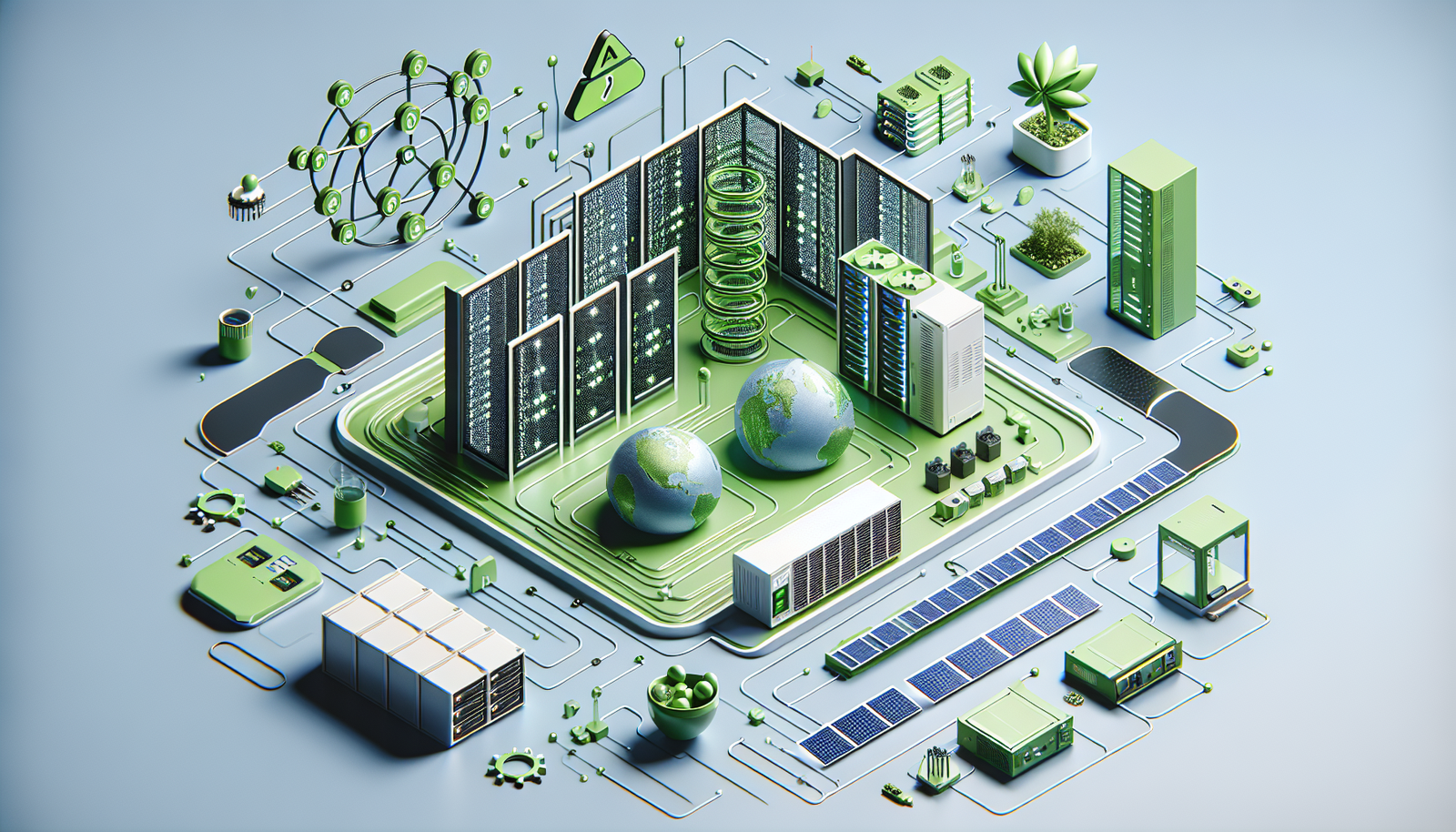
Energy tech encompasses a range of technologies focused on improving energy storage, generation, and distribution. This includes innovations such as advanced batteries, smart grids, and renewable energy sources. With AI’s rapid growth, energy technology has become crucial due to the increasing power demands on data centers.
Why This Matters Now
The urgency for energy tech investment is unprecedented. As reported by TechCrunch, up to 50% of announced data center projects are experiencing delays, primarily due to power access issues. This bottleneck raises significant concerns for enterprises leveraging AI technologies, as energy consumption is projected to increase by 175% by 2030. Developers and investors should be aware of these energy constraints and consider how they may impact project timelines and innovation.
Technical Deep Dive
Understanding the interplay between AI and energy technology requires a look at the underlying mechanisms driving this trend. Here are several key areas to explore:
- Data Center Power Consumption: AI applications in data centers are leading to unprecedented power demands, necessitating innovative energy solutions.
- Alternative Energy Sources: Tech giants like Google and Amazon are investing in solar, wind, and nuclear projects to create sustainable energy sources for their data centers.
- Energy Storage Solutions: Companies like Form Energy are developing long-duration batteries that can store energy for extended periods, thus resolving intermittent supply issues.
| Company | Technology | Focus Area |
|---|---|---|
| Wind and Solar with Battery Storage | On-site hybrid power solutions | |
| Amperesand | Power Conversion Technologies | Enhanced efficiency in energy use |
| GridBeyond | Energy Management Software | Optimizing energy flow |
Real-World Applications
1. Data Centers
Data centers are the primary consumers of energy in the tech sector, thus driving investment in energy tech. Companies are increasingly opting for on-site power solutions to mitigate grid dependency.
2. Renewable Energy Projects
Organizations are investing in solar and wind farms to offset their energy needs. This shift is crucial for long-term sustainability and reducing carbon footprints.
3. Smart Grid Technology
Smart grids utilize AI to optimize energy distribution, making it easier to manage supply and demand in real time. This technology is essential for integrating renewable energy sources.
4. Battery Management Systems
With innovations in battery technology, companies can now store excess energy generated from renewable sources, ensuring a steady supply even during peak demand.
What This Means for Developers
Developers need to adapt to the shifting landscape of energy technology. Here are some actionable implications:
- Learn about energy management software tools to better integrate AI solutions with energy systems.
- Explore renewable energy APIs that facilitate access to alternative power sources for applications.
- Stay updated on advancements in battery technology to leverage these in AI projects.
💡 Pro Insight: As AI continues to evolve, the intersection with energy technology will redefine how data centers operate. By investing in sustainable energy solutions, developers not only enhance their projects but contribute to a greener future.
Future of Energy Tech (2025–2030)
In the coming years, energy tech is poised for significant advancements. By 2030, we can expect:
- Widespread adoption of hybrid energy solutions in data centers, blending on-site generation with grid connections.
- New regulations aimed at promoting renewable energy adoption, likely propelled by both environmental and economic motivations.
- Enhanced AI algorithms that optimize energy consumption patterns, effectively reducing waste and improving efficiency.
Challenges & Limitations
1. Infrastructure Limitations
The current energy grid infrastructure is often outdated, making it difficult to implement new technologies effectively.
2. Investment Risks
Investing in energy tech can be risky, as the market is still evolving, and not all technologies will succeed.
3. Regulatory Hurdles
Government regulations can sometimes impede innovation, particularly in renewable energy sectors.
4. Market Competition
The rapid pace of innovation means developers must continually adapt to stay competitive in the energy tech space.
Key Takeaways
- Energy tech is essential for overcoming power constraints in AI-driven data centers.
- Investments in renewable energy sources are critical for sustainable growth.
- Developers must adapt their skills and tools to integrate energy management solutions.
- The future of energy tech will heavily involve AI and smart grid technologies.
- Investment in this sector carries risks but also significant potential rewards.
Frequently Asked Questions
What role does energy tech play in AI development?
Energy tech ensures that data centers can meet the increasing power demands of AI applications, making it crucial for sustained growth in the industry.
How can developers integrate energy solutions into their projects?
Developers can explore APIs for renewable energy sources and energy management tools to create more efficient applications.
What are the future prospects of energy tech?
The energy tech industry is expected to grow significantly, driven by advancements in renewable energy and smart grid technologies, especially with the increasing reliance on AI.
For more insights on AI and technology, be sure to follow KnowLatest.