
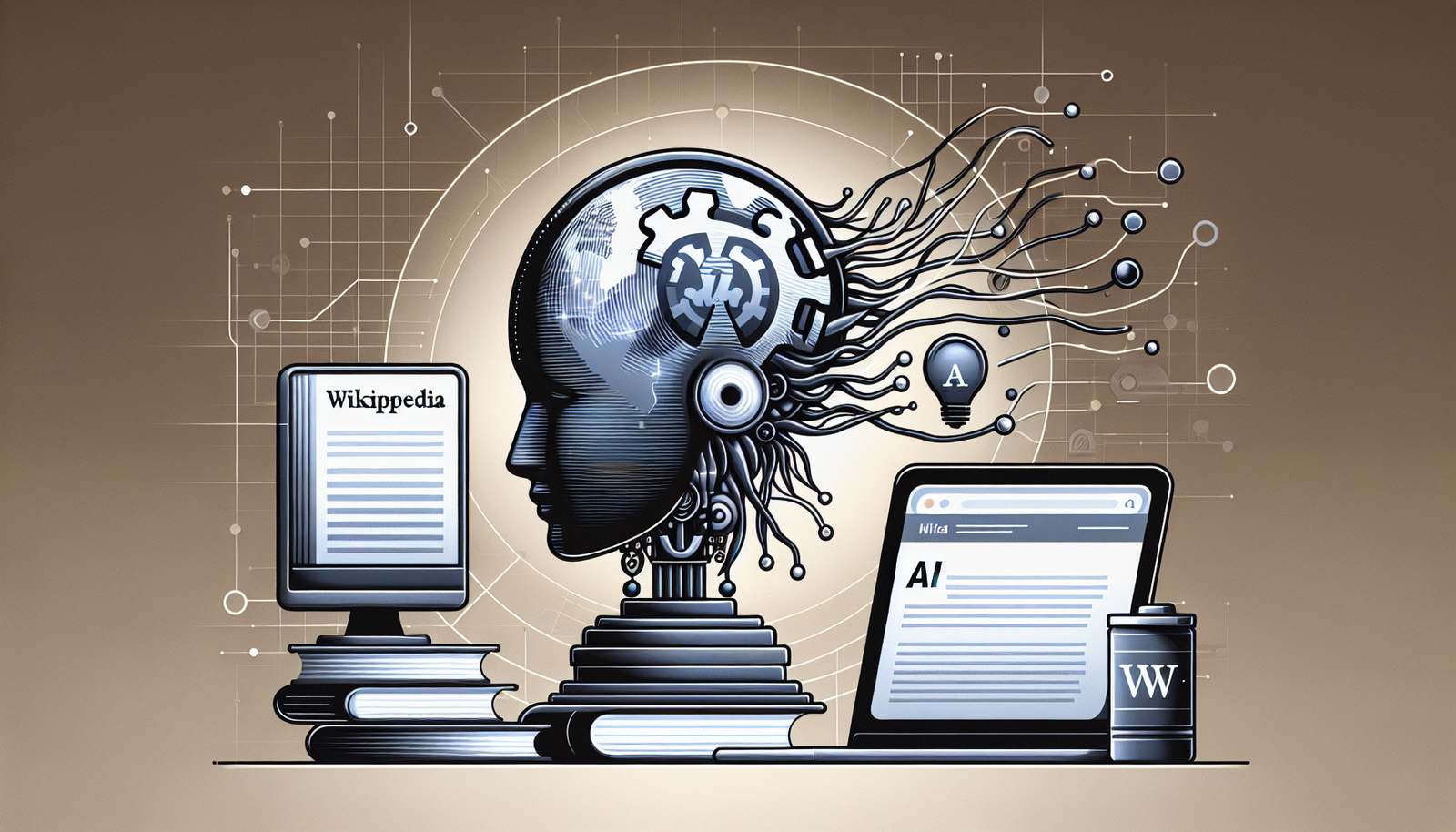
AI-Generated Content: Wikipedia’s Policy Change Explained
“`html
AI-generated content refers to text produced by artificial intelligence systems, typically leveraging large language models (LLMs). Recently, Wikipedia updated its policies to ban the use of AI-generated text in article writing, reflecting broader concerns in editorial practices. In this article, you will learn about the implications of this policy change for developers and the evolving landscape of AI in content creation.
What Is AI-Generated Content?
AI-generated content is text created by artificial intelligence systems, often utilizing advanced models like GPT-3. These models can generate human-like text, making them valuable for various applications, from content creation to customer support. The recent policy change by Wikipedia, which prohibits editors from using AI to generate or rewrite article content, raises significant questions about the role of AI in collaborative knowledge platforms.
Why This Matters Now
The increasing prevalence of AI tools in content creation has sparked debates about authenticity, accuracy, and editorial integrity. Wikipedia’s decision to ban AI-generated text underscores the need for clear guidelines in a landscape where misinformation can spread rapidly. This policy change is particularly relevant as developers and content creators grapple with the ethical implications and potential biases inherent in AI-generated content.
As AI continues to evolve, developers must understand these challenges to build more robust systems that prioritize accuracy and reliability. The ongoing discourse around AI in editorial processes is critical for establishing best practices and ensuring that technology complements human oversight rather than replacing it.
Technical Deep Dive
To understand the implications of Wikipedia’s policy, it’s essential to delve into how AI-generated content is created and the technologies behind it. Most AI content generation tools, including large language models like GPT-3 and BERT, are trained on vast datasets to learn language patterns and context. These models work by predicting the next word in a sequence based on the words that came before it.
Here’s a simplified example of how to use Python with the transformers library to generate text:
from transformers import GPT2LMHeadModel, GPT2Tokenizer

# Load pre-trained model and tokenizer
model = GPT2LMHeadModel.from_pretrained('gpt2')
tokenizer = GPT2Tokenizer.from_pretrained('gpt2')

# Encode input text
input_text = "The future of AI in content creation is"
input_ids = tokenizer.encode(input_text, return_tensors='pt')

# Generate text
output = model.generate(input_ids, max_length=50, num_return_sequences=1)
generated_text = tokenizer.decode(output[0], skip_special_tokens=True)

print(generated_text)
This snippet initializes a pre-trained GPT-2 model and generates text based on the input. However, as Wikipedia’s policy indicates, caution is necessary because LLMs can misinterpret prompts and generate misleading or inaccurate content.
Key features of AI-generated content systems include:
- Training on Diverse Data: Models are trained on extensive datasets, which can introduce biases.
- Context Understanding: Advanced models can understand context better than earlier versions, but still often fail.
- Human Oversight: The importance of human review before publishing any AI-generated material cannot be overstated.
Real-World Applications
Content Creation
Many organizations use AI tools for blog writing, news articles, and marketing copy. This is particularly useful for producing large volumes of content quickly, though the need for human oversight remains critical.
Customer Support
AI-driven chatbots can handle customer inquiries effectively. However, the responses should be monitored to ensure accuracy and relevance, especially in technical domains.
Data Analysis and Reporting
Generating reports from data insights can be automated using AI systems, enhancing productivity. Yet, validating the insights against original data sources is essential for credibility.
What This Means for Developers
Developers should focus on building systems that integrate AI responsibly. This includes:
- Implementing human-in-the-loop workflows to ensure content accuracy.
- Creating training datasets that are diverse and representative to reduce bias.
- Monitoring AI outputs to prevent the dissemination of misinformation.
Understanding these aspects will be vital for developers who want to leverage AI tools while upholding ethical standards and maintaining the integrity of information.
💡 Pro Insight: The future of AI in content generation hinges on transparency and accountability. As organizations navigate these challenges, those that prioritize ethical guidelines will lead the way in building trusted AI applications.
Future of AI-Generated Content (2025–2030)
As we look towards the future, AI-generated content is likely to become more sophisticated and integrated into various domains. By 2030, we may see:
- Enhanced Collaboration: AI will work alongside human editors more seamlessly, aiding rather than replacing them.
- Stricter Regulations: As AI tools grow, we can expect tighter regulations governing their use, especially in public knowledge platforms.
- Improved Accuracy: Ongoing advancements in AI will lead to tools that can provide more reliable and contextually relevant outputs.
Challenges & Limitations
Bias in AI Models
AI models can inadvertently perpetuate biases present in their training data, affecting the quality of content generated. This underscores the need for diverse datasets and careful model evaluation.
Misinterpretation of Prompts
AI-generated content can often stray from the intended message, leading to inaccuracies that require careful human oversight.
Ethical Considerations
The ethical implications of AI in content creation are vast, prompting ongoing discussions about accountability and transparency in AI-generated outputs.
Key Takeaways
- AI-generated content is increasingly prevalent, but Wikipedia’s ban reflects growing concerns over accuracy.
- Human oversight is crucial for ensuring the validity of AI outputs.
- Developers need to implement best practices to reduce bias and enhance content reliability.
- The future will likely see stronger regulations and improved collaboration between AI and human editors.
- Ethical considerations must remain at the forefront of AI content generation.
Frequently Asked Questions
What are the risks of using AI in content creation?
The primary risks include potential biases in generated content, misinterpretation of prompts, and the spread of misinformation if human oversight is lacking.
How can developers ensure AI-generated content is accurate?
Developers should implement human-in-the-loop systems that require content review before publication to maintain accuracy and context.
What is the future of AI in editorial processes?
The future will likely involve enhanced collaboration between AI and human editors, along with stricter regulatory frameworks guiding AI use in content generation.
For more insights on AI and developer news, be sure to follow KnowLatest for the latest updates.


