
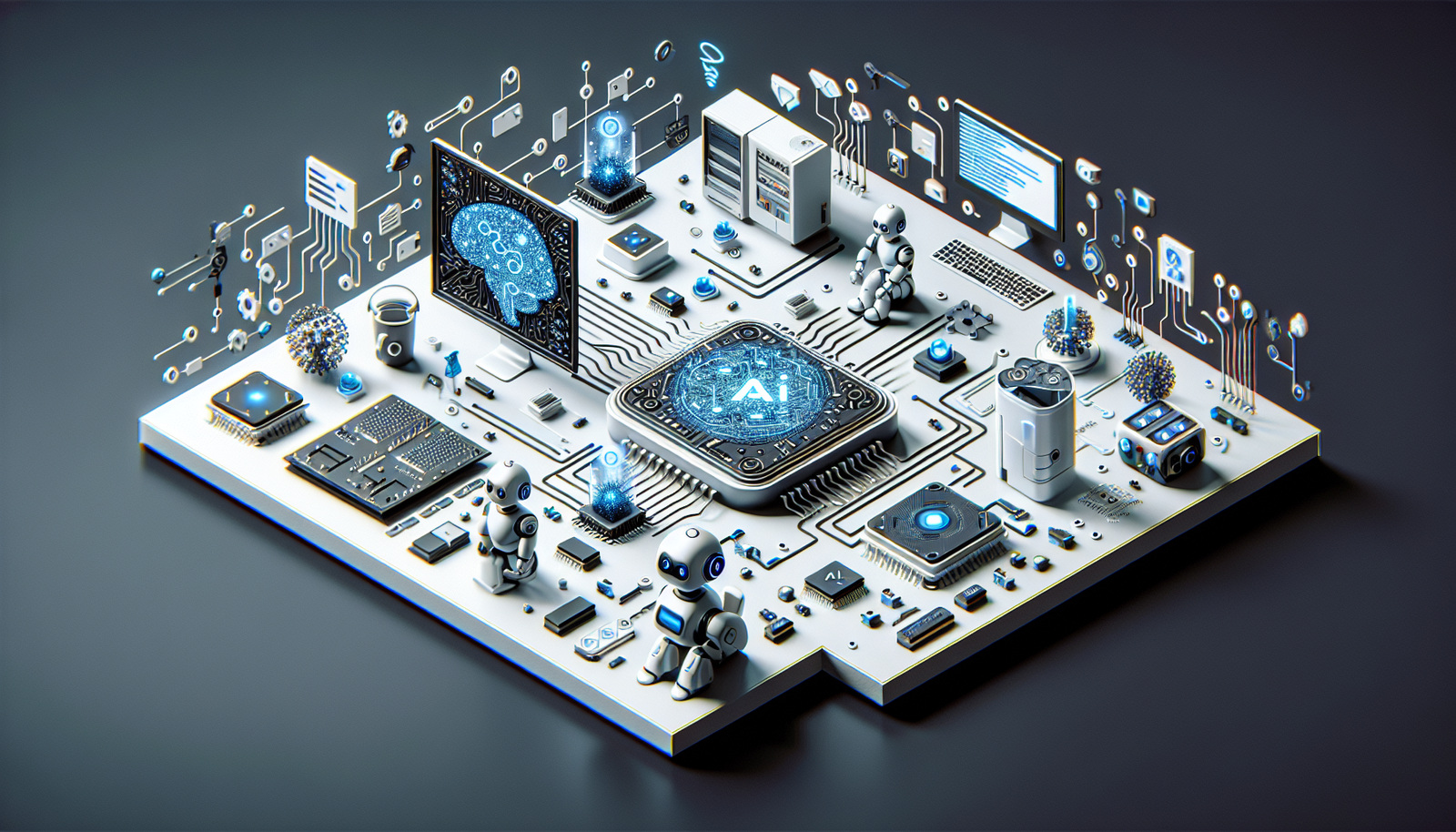
AI Agent Orchestration: Understanding Its Importance
“`html
AI agent orchestration refers to the creation and management of AI agents that can autonomously perform tasks across various systems and applications. Recently, the startup Sycamore raised a significant $65 million seed round to develop enterprise AI agent solutions, highlighting the growing interest in this technology. In this post, we’ll explore what AI agent orchestration is, why it’s important now, the technical details behind it, and real-world applications for developers.
What Is AI Agent Orchestration?
AI agent orchestration involves the coordination and management of multiple AI agents to perform complex tasks and workflows in an automated manner. This approach allows organizations to streamline operations, improve efficiency, and leverage AI capabilities across different applications. With Sycamore’s recent funding, which focuses on creating a comprehensive orchestration layer for AI agents, it’s clear that the demand for such solutions is rapidly increasing.
Why This Matters Now
The current technological landscape is witnessing a surge in the adoption of AI across various sectors. Enterprises are increasingly looking for ways to integrate AI agents into their workflows to enhance productivity and automate routine tasks. Sycamore’s $65 million seed round led by Coatue and Lightspeed underscores this trend, as established investors recognize the potential of AI agent orchestration to transform enterprise operations. As companies navigate challenges like workforce optimization and data management, the orchestration of AI agents can provide significant advantages.
Developers should pay attention to this trend as it will shape how applications are built and managed in the future. The rise of enterprise AI governance, along with security concerns surrounding autonomous systems, makes this a critical area for innovation.
Technical Deep Dive
The architecture of an AI agent orchestration framework generally consists of several key components:
- Agent Creation: Defining the tasks and objectives of each AI agent.
- Workflow Management: Orchestrating how agents interact and sequence their tasks.
- Data Integration: Connecting to various data sources and APIs to enable agents to perform their functions.
- Monitoring and Security: Ensuring that the AI agents operate within defined security protocols and compliance frameworks.
Here’s a simple Python example demonstrating how to manage AI agents using a basic workflow:
from agent_framework import Agent, Workflow

# Define an AI agent
class DataProcessingAgent(Agent):
    def process_data(self, data):
        # Simulate data processing
        print(f"Processing data: {data}")

# Set up a workflow
workflow = Workflow()

# Create an instance of the agent
data_agent = DataProcessingAgent()

# Add tasks to the workflow
workflow.add_task(data_agent.process_data, "Sample data")

# Execute the workflow
workflow.run()
This code snippet outlines a simple structure where an AI agent processes data as part of a workflow. More complex systems can integrate multiple agents, each with specific roles and tasks.
Real-World Applications
1. Customer Support Automation
AI agents can be deployed to handle customer inquiries, automate responses, and escalate issues when necessary. Tools like Zendesk and Intercom are integrating AI agents to streamline support processes.
2. Supply Chain Optimization
In logistics, AI agents can monitor supply chain metrics, predict delays, and suggest alternative routes or suppliers. Companies like IBM and SAP are using AI for real-time supply chain management.
3. Health Monitoring Systems
Healthcare applications are utilizing AI agents to monitor patient data, flag anomalies, and suggest interventions. Platforms such as Philips HealthSuite leverage AI for real-time patient monitoring.
What This Means for Developers
Developers should enhance their skills in AI orchestration frameworks and familiarize themselves with tools that facilitate the development of AI agents. Understanding the architecture behind AI agents, including workflow management and data integration, will be crucial. Additionally, knowledge of security protocols and governance frameworks will be vital in mitigating risks associated with autonomous systems.
💡 Pro Insight: As AI becomes more integrated into enterprise environments, the need for robust orchestration frameworks will become critical. Companies that invest in comprehensive agent management solutions will gain a competitive edge through increased efficiency and adaptability.
Future of AI Agent Orchestration (2025–2030)
Over the next five years, AI agent orchestration is expected to evolve significantly. With advancements in machine learning and natural language processing, agents will become more autonomous and capable of handling complex tasks without human intervention. Companies will likely integrate these agents into their core operations, leading to more efficient workflows and reduced operational costs.
One specific prediction is the rise of self-learning agents that can adapt their behavior based on user interaction and feedback. This will lead to more personalized and effective solutions in various industries.
Challenges & Limitations
1. Security Risks
As AI agents become more capable, the potential for exploitation increases. Companies must implement stringent security measures to protect against unauthorized access and data breaches.
2. Integration Complexity
Integrating AI agents into existing systems can be challenging. Organizations must ensure interoperability among various platforms, which may require significant engineering resources.
3. Data Governance
A lack of clear governance frameworks for AI can lead to compliance issues. Companies must establish policies that dictate how AI agents handle sensitive data.
4. Market Competition
The field is rapidly becoming crowded, with many startups and established players entering the market. Differentiating products and maintaining a competitive edge will be crucial for success.
Key Takeaways
- AI agent orchestration is critical for automating complex workflows and enhancing operational efficiency.
- Investors are increasingly funding startups focusing on comprehensive AI agent solutions.
- Developers should focus on improving their skills in AI frameworks and security protocols.
- Future advancements will likely introduce self-learning agents that increase adaptability.
- Security and integration challenges remain key concerns in the deployment of AI agents.
Frequently Asked Questions
What is an AI agent?
An AI agent is a software program that autonomously performs tasks or provides services by interacting with its environment, often leveraging machine learning and artificial intelligence techniques.
How does AI orchestration work?
AI orchestration involves managing multiple AI agents to ensure they work together efficiently to complete tasks. It includes workflow management, data integration, and monitoring to optimize performance.
What industries can benefit from AI agents?
Industries such as healthcare, logistics, customer service, and finance can benefit significantly from AI agents by increasing efficiency and automating routine tasks.
For more insights on AI and developer news, follow KnowLatest.


