
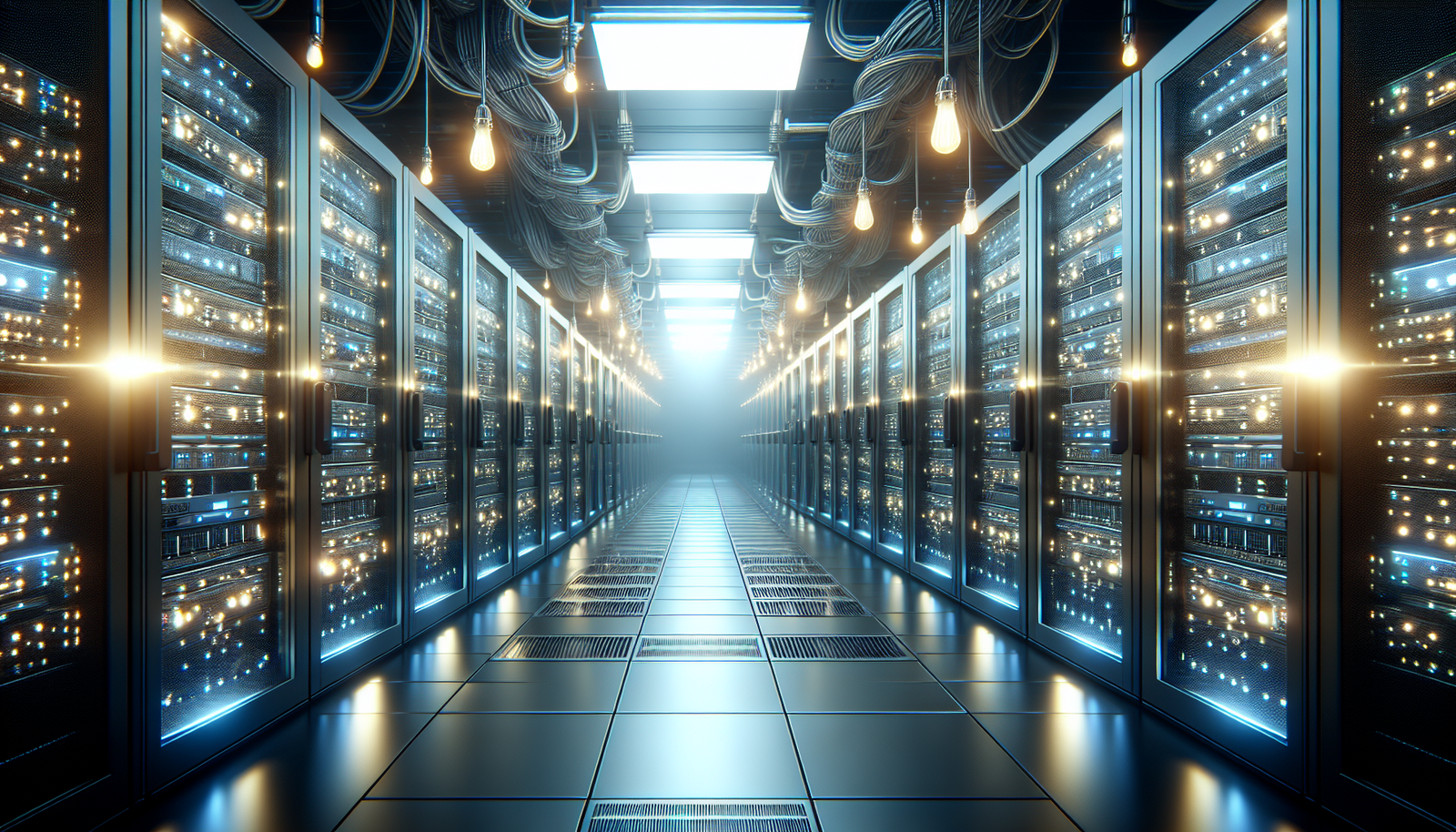
AI Data Center Efficiency: Trends and Future Insights
“`html
AI data center efficiency refers to the optimization of infrastructure used to support artificial intelligence workloads, ensuring performance meets the growing demands of AI applications. Recently, the Asia-based AI data center provider Firmus raised $1.35 billion, achieving a $5.5 billion valuation, highlighting the increasing investment in this sector. This article will explore what AI data center efficiency entails, its relevance today, and how developers can leverage these advancements.
What Is AI Data Center Efficiency?
AI data center efficiency refers to the methods and technologies implemented to optimize the performance and energy consumption of data centers dedicated to AI workloads. This efficiency is crucial as AI applications require significant computational power, often leading to excessive energy use and operational costs. With recent developments, such as Firmus’s Project Southgate, which employs Nvidia’s advanced platforms, the industry is moving towards more sustainable and efficient data center solutions.
Why This Matters Now
The growing demand for AI capabilities is driving the need for enhanced data center efficiency. As companies increasingly rely on AI to power their operations, the environmental impact and cost-effectiveness of these infrastructures come into sharp focus. The recent funding round for Firmus, which aims to build an energy-efficient AI data center network, underscores the urgency for developers to understand and adopt these advancements. Developers should care about this trend as it directly influences the scalability of AI applications and the sustainability of their implementations.
Technical Deep Dive
To achieve AI data center efficiency, several architectural and operational strategies are employed:
- Energy-Efficient Hardware: Utilizing specialized AI chips, like Nvidia’s Vera Rubin platform, which is designed for high-performance AI tasks while minimizing power consumption.
- Cooling Technologies: Advanced cooling solutions are critical for maintaining optimal temperatures in data centers, especially considering the heat generated by AI workloads. Firmus’s history in cooling technologies for Bitcoin mining provides valuable expertise in this area.
- Modular Design: Implementing scalable, modular data center designs allows for flexible growth and efficient resource allocation, enabling firms to optimize space and energy use.
Here’s a code snippet demonstrating how to set up a basic monitoring system for energy usage in a data center:
import psutil

def monitor_energy_usage():
    cpu_usage = psutil.cpu_percent(interval=1)
    memory_usage = psutil.virtual_memory().percent
    print(f"CPU Usage: {cpu_usage}%")
    print(f"Memory Usage: {memory_usage}%")

if __name__ == "__main__":
    monitor_energy_usage()
This simple Python script utilizes the psutil library to monitor CPU and memory usage, providing insights that can help identify inefficiencies.
Real-World Applications
1. Cloud Service Providers
Major cloud providers are increasingly deploying AI-optimized data centers. For example, Google Cloud and AWS leverage AI to enhance resource allocation, improving performance and reducing costs.
2. Autonomous Vehicles
Companies like Tesla are using AI data centers for real-time data processing from autonomous vehicle fleets, necessitating efficient data handling and computational power.
3. Smart Cities
AI-driven initiatives in urban planning and management require robust data centers for processing vast amounts of data generated by IoT devices, emphasizing the need for efficiency and scalability.
What This Means for Developers
As developers, understanding AI data center efficiency can influence several key areas:
- **Skill Development:** Familiarize yourself with AI hardware and energy-efficient coding practices to optimize applications for modern data centers.
- **Architecture Decisions:** Prioritize modular designs and energy-efficient solutions in your projects to align with industry trends.
- **Integration Patterns:** Learn how to integrate monitoring tools that track performance and energy usage within your applications.
💡 Pro Insight: The future of AI data centers is not just about computational power but also about sustainable practices. As developers, embracing these technologies can significantly impact both project outcomes and environmental footprints.
Future of AI Data Centers (2025–2030)
Looking ahead, AI data centers will likely continue evolving towards greater efficiency and sustainability. Innovations in hardware, such as the next generation of AI chips, will enhance computational capabilities while reducing energy consumption. Furthermore, as regulatory pressures increase regarding carbon emissions, companies will need to adopt more sustainable practices in their data centers. By 2030, we can expect a significant shift towards renewable energy sources to power these facilities, making them more environmentally friendly and cost-effective.
Challenges & Limitations
Energy Consumption
Despite advancements, the energy demands of AI applications remain a significant challenge. Balancing performance with sustainability is crucial for future developments.
Infrastructure Costs
Building and maintaining energy-efficient data centers requires substantial upfront investment, which may deter some companies from making the transition.
Technological Adaptation
As new technologies emerge, existing infrastructures may require overhauls, leading to potential downtime and operational disruptions.
Key Takeaways
- AI data center efficiency is vital for managing the increasing demands of AI workloads.
- Investments in energy-efficient technologies, like Nvidia’s Vera Rubin platform, are shaping the future of data centers.
- Modular designs and advanced cooling techniques are essential for optimizing performance.
- Developers must adapt to new tools and practices to leverage these advancements effectively.
- Future developments will likely focus on sustainability and reducing environmental impact.
Frequently Asked Questions
What are AI data centers? AI data centers are specialized facilities designed to provide the computational power needed for AI applications, focusing on efficiency and performance.
Why is energy efficiency important in data centers? Energy efficiency reduces operational costs and environmental impact, making it critical as AI workloads increase.
How can developers improve data center efficiency? Developers can improve efficiency by using optimized coding practices, integrating monitoring tools, and adopting energy-efficient hardware.
Follow KnowLatest for more insights into AI, cloud computing, and the latest developments in technology.


