
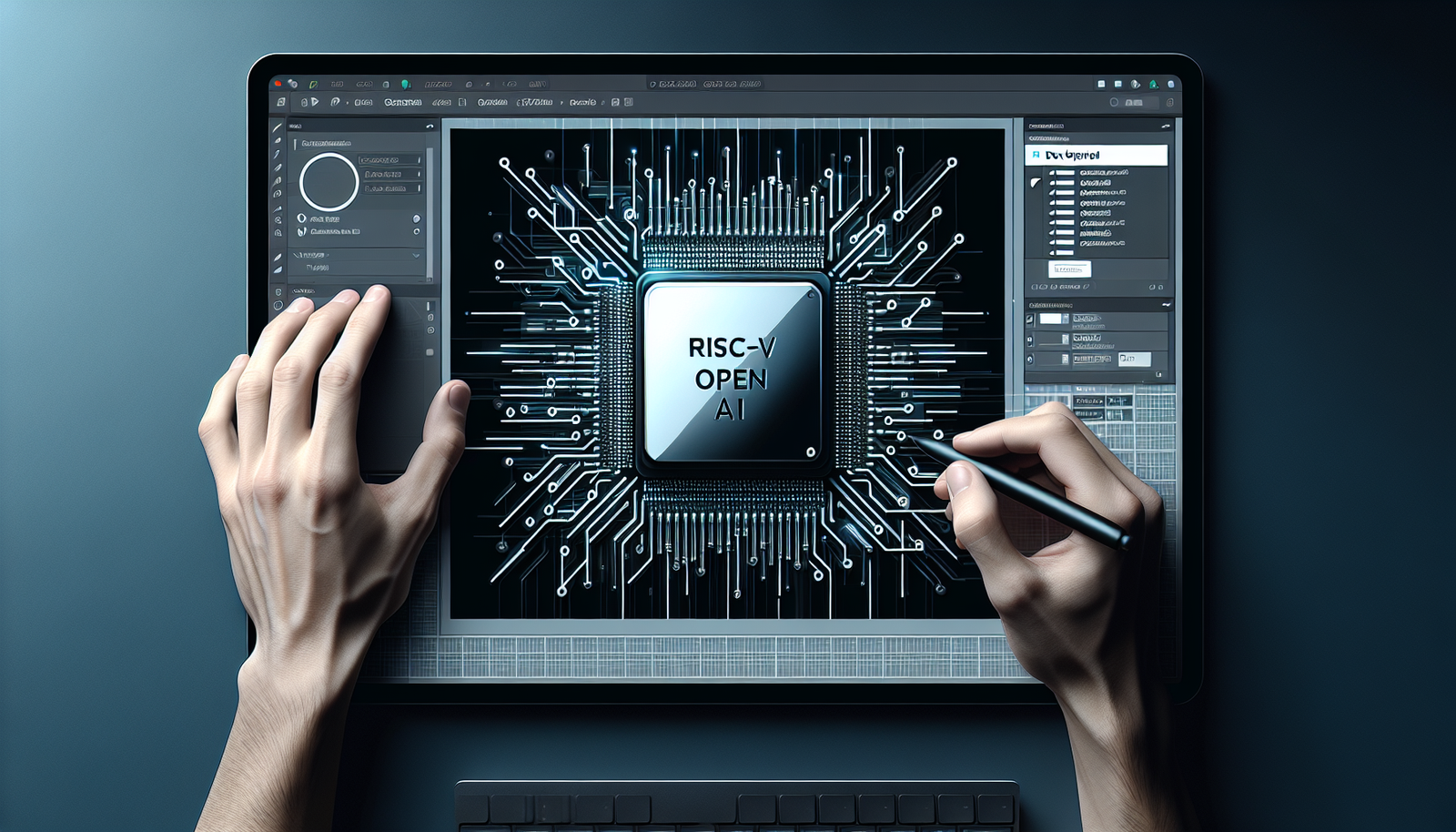
RISC-V Open AI Chips: The Future of Custom Hardware
“`html
RISC-V open AI chips refer to a new generation of processors designed based on the RISC-V architecture, which is gaining traction for its open-source nature. Recently, SiFive, a company focusing on RISC-V chip designs, secured a $400 million funding round, bringing its valuation to $3.65 billion. This article will explore the implications of SiFive’s advancements in RISC-V technology, its significance in the AI landscape, and what developers should know moving forward.
What Is RISC-V Open AI Chips?
RISC-V open AI chips are processors based on the RISC-V architecture, which is an open-source hardware instruction set. This allows developers to modify and customize chip designs, promoting innovation and flexibility in hardware development. Recently, SiFive’s dramatic rise in valuation due to its RISC-V focus highlights the growing importance of open architectures in AI computing.
Why This Matters Now
The recent $400 million funding round for SiFive has placed open AI chips in the spotlight, particularly because these chips leverage RISC-V architecture, contrasting with the proprietary x86 and ARM designs. As noted in TechCrunch, SiFive’s strategic partnerships, including backing from Nvidia, position it as a formidable player in the AI landscape. Developers should care about this shift as it opens new avenues for customization, efficiency, and potentially lower costs in AI hardware.
Technical Deep Dive
SiFive’s architecture is designed to support a wide range of applications, particularly in AI data centers. The RISC-V instruction set allows for greater customization compared to traditional architectures. The following features make RISC-V a compelling choice for AI chip development:
- Customizability: Developers can tailor the instruction set to optimize for specific workloads.
- Scalability: RISC-V can be efficiently scaled from small embedded systems to large data center CPUs.
- Open-source Ecosystem: The open nature of RISC-V fosters community-driven improvements and innovations.
Here’s a simple example of defining a custom RISC-V instruction using the RISC-V ISA Simulator (RV32I):
// Define a new custom instruction
.custom_add:
  add x1, x2, x3  // Add values in registers x2 and x3, store in x1
This versatility in instruction customization allows for better performance in AI-specific tasks, such as machine learning model inference.
In addition to customization, SiFive’s chips are designed to integrate seamlessly with Nvidia’s CUDA software and NVLink Fusion. This integration allows for a cohesive architecture where different CPUs can operate within Nvidia’s “AI factory,” enhancing overall performance.
Real-World Applications
1. Data Centers
SiFive’s RISC-V architecture is particularly suitable for cloud computing environments, providing cost-effective and customizable solutions for processing large datasets.
2. Autonomous Vehicles
RISC-V chips can be tailored for the specific computational needs of autonomous driving systems, providing flexibility and efficiency.
3. IoT Devices
With its power-efficient designs, RISC-V is ideal for IoT applications, enabling smart devices to operate effectively with limited resources.
4. Edge Computing
RISC-V chips can be deployed in edge devices to preprocess data locally before sending it to cloud servers, reducing latency and bandwidth usage.
What This Means for Developers
As SiFive continues to innovate, developers should consider learning about RISC-V architecture and how to leverage its capabilities in their projects. Key areas of focus include:
- Understanding the RISC-V instruction set and how to implement custom instructions.
- Exploring integration with existing AI frameworks, particularly those that utilize Nvidia’s ecosystem.
- Adopting open-source tools and resources that support RISC-V development.
💡 Pro Insight: As the demand for customized AI solutions grows, RISC-V’s open architecture will likely become a cornerstone in the AI hardware landscape. Developers who invest time in mastering this technology will be well-positioned to lead in the next generation of AI applications.
Future of RISC-V Open AI Chips (2025–2030)
By 2025, the RISC-V ecosystem is expected to expand significantly, with more companies adopting and contributing to its development. This shift will likely lead to:
- Increased collaboration among developers and hardware manufacturers, fostering innovation.
- More tailored solutions for specific industries, such as healthcare and finance, leveraging RISC-V to meet unique requirements.
- A rise in tools and frameworks designed specifically for RISC-V architecture, making it easier for developers to adopt.
By 2030, RISC-V could potentially rival established architectures, establishing itself as a dominant force in the AI hardware sector.
Challenges & Limitations
1. Adoption Barriers
Despite its advantages, RISC-V still faces challenges in terms of widespread adoption compared to established architectures like ARM and x86.
2. Ecosystem Maturity
The RISC-V ecosystem is still developing, which may limit the availability of optimized software and tools compared to more mature platforms.
3. Performance Optimization
While RISC-V offers customizability, achieving optimal performance for specific workloads may require significant effort and expertise from developers.
4. Market Competition
Intense competition from established players like Intel and AMD may hinder the rapid growth of RISC-V in the consumer market.
Key Takeaways
- RISC-V open AI chips offer significant flexibility and customization for developers.
- SiFive’s recent valuation underscores the growing importance of open architectures in AI.
- Integration with Nvidia’s technologies enhances RISC-V’s appeal for AI data centers.
- Understanding RISC-V is essential for developers looking to innovate in AI hardware.
- Future developments may see RISC-V rivaling established CPU architectures by 2030.
Frequently Asked Questions
What is RISC-V? RISC-V is an open-source hardware instruction set architecture that enables developers to design and customize their processors.
How does SiFive contribute to the RISC-V ecosystem? SiFive produces RISC-V chip designs and licenses them, allowing companies to modify and implement them as per their requirements.
What are the benefits of using RISC-V for AI applications? RISC-V offers customizability, scalability, and an open-source ecosystem, which are advantageous for developing AI solutions.
For more insights on AI and technology trends, follow KnowLatest for the latest updates.


