AI Agents: Poke Simplifies Automation via Text Messaging
“`html
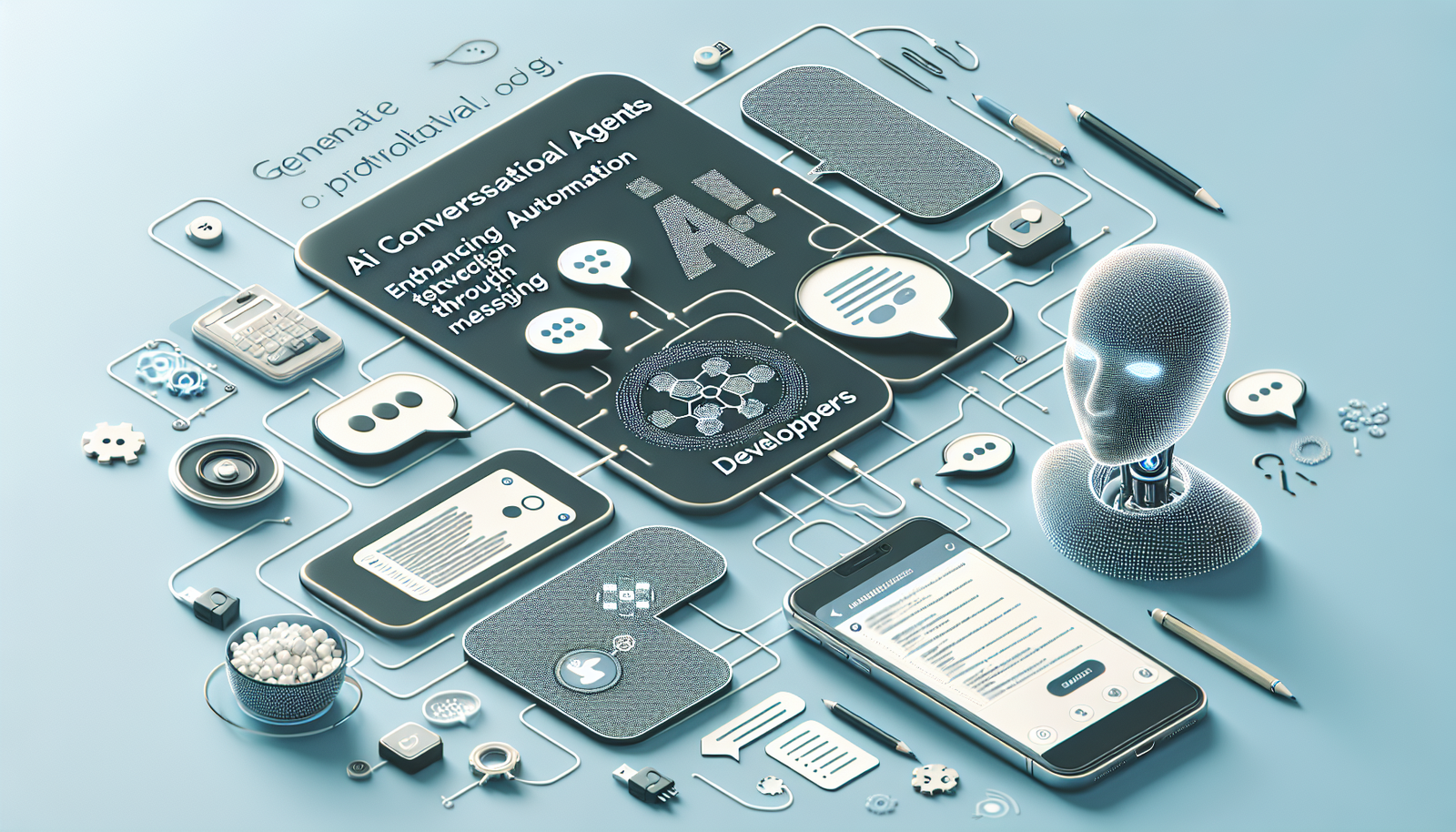
AI agents are automated systems designed to perform specific tasks on behalf of users, often leveraging advanced machine learning models. Recently, Poke has emerged as a groundbreaking tool, making AI agents accessible via simple text messaging without the need for complex setups or technical expertise. In this article, we’ll explore how Poke is transforming everyday interactions with AI, what this means for developers, and the implications for future applications of AI agents.
What Is AI Agents?
AI agents refer to systems that autonomously perform tasks for users, leveraging artificial intelligence to understand and execute commands. They streamline processes by automating repetitive tasks, providing users with efficient solutions to everyday problems. With Poke making waves, these AI agents can now be accessed effortlessly through text messaging platforms, democratizing their use.
Why This Matters Now
As the demand for user-friendly AI solutions increases, tools like Poke address significant barriers that prevent widespread AI adoption. Traditional AI systems often require complex setups and technical know-how, which can deter many users. The rise of platforms like Poke highlights a shift towards making AI more accessible to non-technical users, thus enhancing productivity across various sectors. With the current focus on enhancing user experience and efficiency, developers must consider how to integrate these advancements into their applications.
Technical Deep Dive
Poke operates by employing various AI models tailored to specific tasks, providing a seamless user experience without the need for extensive setup. Here’s a closer look at its architecture:
- Natural Language Processing (NLP): Poke utilizes NLP techniques to interpret user commands sent via text. This allows users to interact with the AI in natural language, making it intuitive.
- Task Automation: Users can create automations in plain text, enabling Poke to perform actions like sending reminders, managing calendars, or providing real-time updates.
- Integration with Messaging Platforms: Poke is compatible with iMessage, SMS, Telegram, and WhatsApp, making it easily accessible.
- AI Model Selection: Poke intelligently selects the appropriate AI model for each task, whether it’s from a major provider or an open-source model, ensuring efficiency.
# Example of a simple automation command for Poke
"Hey Poke, remind me to take my medication at 8 AM."
| Feature | Poke | Traditional AI Agents |
|---|---|---|
| Accessibility | Text Messaging | Dedicated Apps |
| User Setup | No Installation | Complex Installation |
| Task Flexibility | Highly Customizable | Limited to Specific Functions |
| AI Model Usage | Dynamic Selection | Fixed Models |
Real-World Applications
Personal Assistants
Poke can serve as a personal assistant, helping users manage their daily schedules, set reminders, and track health metrics. For instance, it can alert users about important emails or remind them to take medication.
Smart Home Management
With Poke, users can control smart home devices through simple text commands, enhancing the usability of IoT devices without needing specialized apps.
Health and Fitness Tracking
Poke can assist users in monitoring their fitness goals by sending reminders and motivational messages, making health management more engaging.
News and Updates
Poke can provide daily news summaries or updates on sports scores, keeping users informed without requiring them to search for information actively.
What This Means for Developers
Developers should recognize the shift towards more user-friendly AI tools like Poke and consider how to implement similar functionalities in their applications. This could involve:
- Integrating NLP capabilities to facilitate natural language interactions.
- Creating APIs that allow easy task automation through text commands.
- Ensuring compatibility with multiple messaging platforms to reach a broader audience.
💡 Pro Insight: The rise of text-based AI agents like Poke signifies a critical evolution in user interaction with technology. As developers, embracing this trend can lead to innovative applications that prioritize user experience and accessibility.
Future of AI Agents (2025–2030)
Looking ahead, AI agents are likely to become even more integrated into daily life, with advancements in machine learning and user interfaces. By 2030, we can expect:
- Increased personalization, with AI agents learning user preferences to provide tailored suggestions and reminders.
- Greater interoperability among AI systems and platforms, allowing seamless task management across different devices and services.
- Enhanced security features to address privacy concerns associated with AI agents accessing personal data.
Challenges & Limitations
Security Concerns
As AI agents gain deeper access to user data and systems, security becomes paramount. Developers must implement robust security protocols to protect user information.
Usability Issues
While Poke aims to simplify AI interactions, ensuring that all users can effectively utilize these tools remains a challenge, especially for those not tech-savvy.
Dependence on Connectivity
Reliance on cloud services means that users need a stable internet connection for optimal performance, which can be limiting in certain environments.
Model Limitations
Choosing the right AI model for specific tasks is crucial. Misalignment can lead to inefficiencies or errors in task execution, affecting user trust.
Key Takeaways
- Poke simplifies AI agent usage by allowing interactions via text messaging, making it accessible to a wider audience.
- The platform automates a variety of tasks, from personal management to smart home control, enhancing productivity.
- Developers should consider integrating similar user-friendly AI functionalities into their applications.
- Future developments in AI agents will focus on personalization, security, and interoperability.
- Challenges related to usability and security must be addressed to ensure widespread adoption.
Frequently Asked Questions
What are AI agents?
AI agents are automated systems that perform tasks on behalf of users, utilizing artificial intelligence to interpret commands and execute actions.
How does Poke differ from traditional AI assistants?
Poke operates via text messaging without the need for apps, making it more accessible and user-friendly compared to traditional AI assistants that require complex setups.
What tasks can Poke automate?
Poke can automate various tasks, including scheduling reminders, managing health goals, and controlling smart home devices, all through simple text commands.
For more insights into the latest in AI tools and technology, follow KnowLatest.
“`