AI Agents to Replace Smartphone Apps: Carl Pei’s Vision
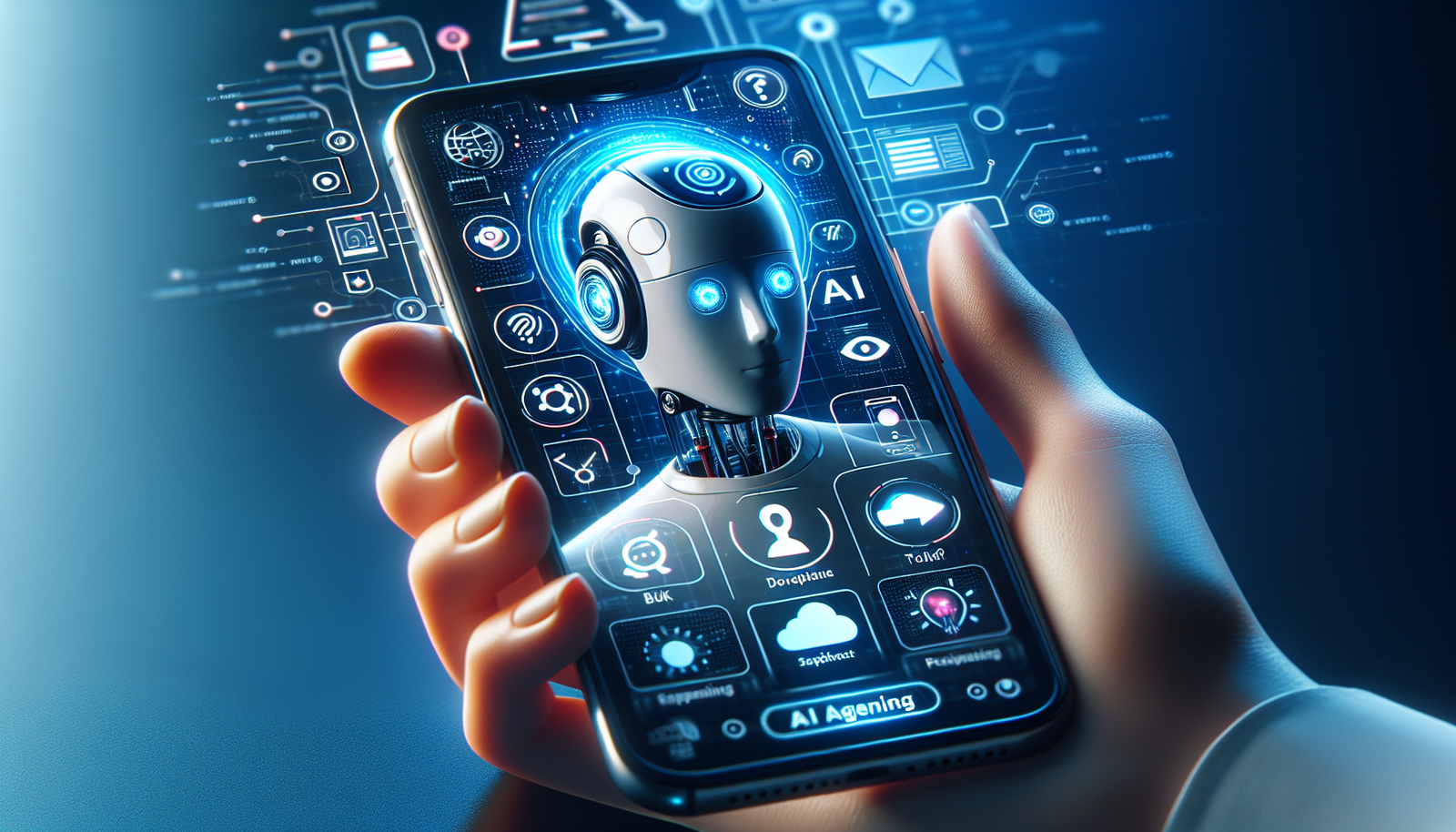
In a world increasingly dominated by artificial intelligence, the future of smartphone technology is being reimagined. Nothing CEO Carl Pei believes that traditional smartphone apps will soon be obsolete, replaced by AI agents capable of understanding user intent. This shift could dramatically change how we interact with our devices, making them more intuitive and capable of acting on our behalf. In this article, we’ll explore Pei’s vision and what it means for developers and the tech industry.
Why AI Agents Are Set to Replace Smartphone Apps
The evolution of smartphone technology has long been tied to the apps that power them. However, as Carl Pei points out, the current model is outdated. With the rise of AI and machine learning, the potential for devices to move beyond simple app interfaces is becoming increasingly viable. This shift is crucial for streamlining user experiences, enabling smartphones to anticipate needs rather than requiring users to navigate multiple applications manually.
Technical Mechanisms Behind AI Agents
Pei envisions a future where smartphones utilize AI agents that learn from user behavior over time. This involves several key elements:
- User Intent Recognition: The device understands what the user wants without explicit commands.
- Contextual Awareness: AI agents will factor in various contexts, such as location and time, to provide timely suggestions.
- Autonomous Task Execution: Instead of manually opening apps, users could rely on AI to perform tasks on their behalf, such as booking flights or scheduling meetings.
For example, a user wanting to grab coffee would no longer need to navigate through multiple apps. The AI agent would execute all necessary steps automatically, making the process seamless and efficient.
Key Features of AI-Driven Smartphones
| Feature | Description |
|---|---|
| User-Centric Design | Interfaces designed for AI interactions rather than manual navigation. |
| Intent-Based Actions | AI agents act based on inferred user desires. |
| Personalization | Long-term learning to surface suggestions tailored to individual users. |
Practical Applications for Developers
For developers, this transition to AI-driven interfaces opens numerous opportunities. Industries such as healthcare, travel, and personal finance stand to benefit significantly:
- Healthcare: AI agents could remind users to take medication or schedule doctor appointments based on their health history.
- Travel: Booking trips and accommodations could become fully automated, reducing friction in the planning process.
- Finance: AI could help users manage budgets and financial tasks with minimal input.
“The future of smartphones should just be: ‘I know you very well, and if I know your intention, I just do it for you,’ instead of having to go through all the apps manually.” – Carl Pei
Challenges and Limitations of AI Agents
While the vision for AI-driven smartphones is enticing, several challenges and limitations need to be addressed:
- Data Privacy: Users must trust that their data is handled securely, as AI agents require significant amounts of personal information.
- Complexity of Intent Recognition: Accurately interpreting user intent is a complex task that may lead to miscommunications or errors.
- Dependence on AI: Relying heavily on AI agents could lead to reduced user engagement with their devices, potentially diminishing their overall experience.
Key Takeaways
- The traditional app model is becoming obsolete as AI agents take over.
- Smartphones could operate based on understanding user intent, simplifying interactions.
- Developers have new opportunities to create AI-centric applications across various industries.
- Challenges like data privacy and intent recognition must be addressed for successful implementation.
- The shift towards AI agents represents a significant evolution in how we interact with technology.
Frequently Asked Questions
Will smartphone apps completely disappear?
While Carl Pei believes that apps will eventually be replaced by AI agents, this transition will take time. For the foreseeable future, apps will still play a crucial role in smartphone functionality.
How will AI agents understand user intent?
AI agents will utilize machine learning algorithms to analyze user behavior and preferences, enabling them to anticipate needs and execute tasks without explicit commands.
What industries will benefit most from AI-driven smartphones?
Industries such as healthcare, travel, and finance stand to gain significantly, as AI agents can streamline processes and enhance user experiences in these sectors.
For more insights on AI developments and technology trends, follow KnowLatest.