AI Data Centers: Understanding Their Impact and Future
“`html
AI data centers are specialized facilities designed to house AI infrastructure, enabling efficient data processing and storage for machine learning applications. Firmus, a prominent player in this space, recently achieved a valuation of $5.5 billion, showcasing the growing significance of AI data centers in the tech ecosystem. In this article, we will explore the implications of this valuation for developers, the technology behind AI data centers, and their potential future impact on the industry.
What Is AI Data Centers?
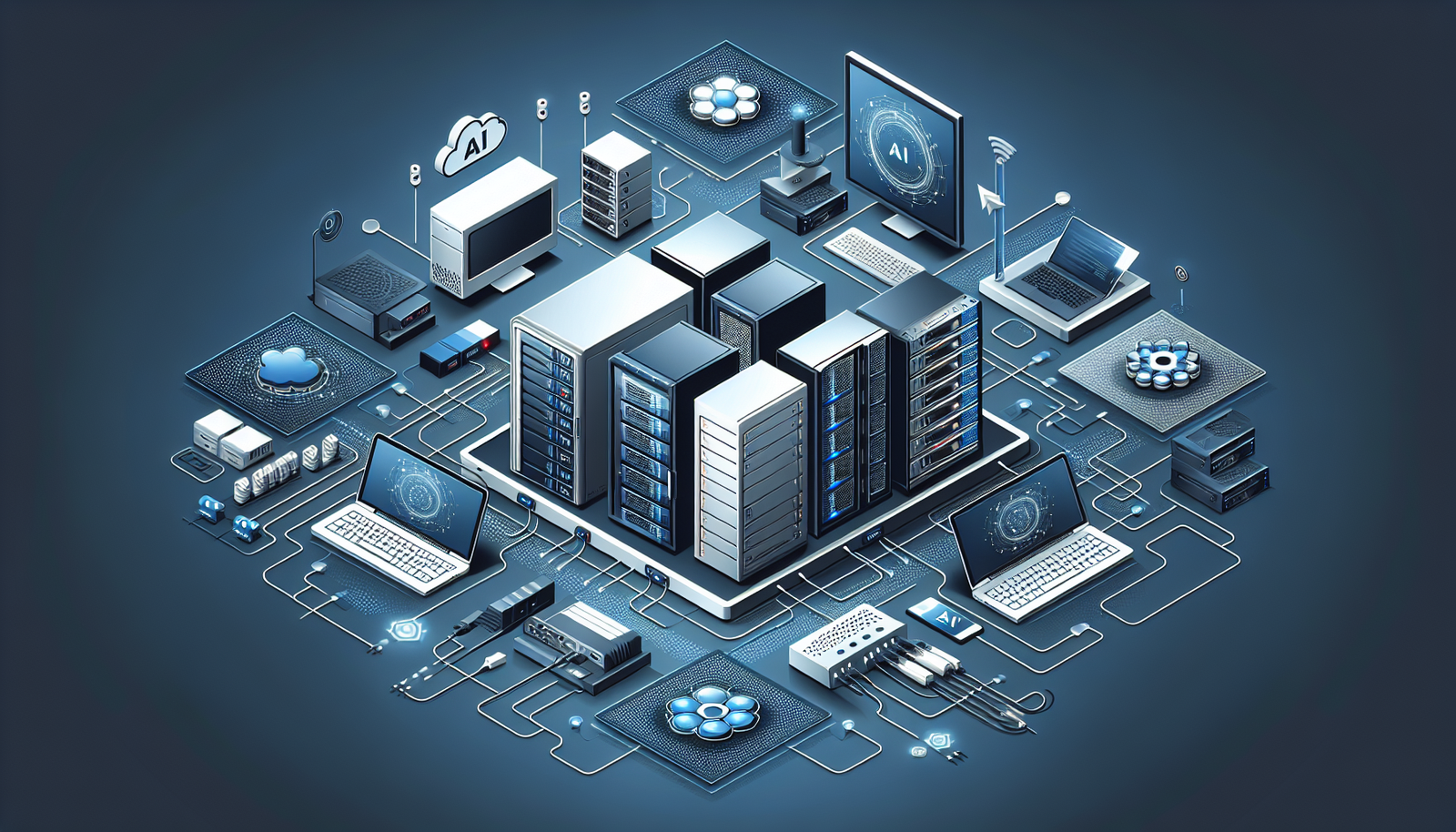
AI data centers are facilities optimized for artificial intelligence workloads, providing the necessary infrastructure for data processing, storage, and high-performance computing. These centers utilize specialized hardware, such as GPUs and TPUs, to accelerate AI model training and inference. The recent rise of companies like Firmus, which has secured significant funding and partnerships, emphasizes the increasing importance of these data centers in supporting AI development.
Why This Matters Now
The surge in AI applications across industries has triggered an unprecedented demand for efficient and scalable data processing solutions. Firmus, backed by Nvidia, recently raised $1.35 billion, reflecting investor confidence in the future of AI data centers. This funding is vital as businesses seek to harness AI capabilities, making it essential for developers to understand the underlying technologies and architectures that support these data centers. Key trends influencing this shift include the need for energy-efficient solutions and the integration of advanced AI algorithms into existing workflows.
Technical Deep Dive
Understanding the architecture of AI data centers is crucial for developers looking to deploy applications at scale. Firmus is developing a network of energy-efficient data centers under Project Southgate, leveraging Nvidia’s Vera Rubin platform, the next-generation AI computing system. The following highlights some of the critical components and technologies involved:
- GPU Utilization: AI data centers primarily utilize GPUs due to their parallel processing capabilities, which are essential for training machine learning models.
- Energy Efficiency: New designs emphasize reducing energy consumption through advanced cooling technologies and optimized power distribution.
- Modular Design: The use of modular designs allows for scalable growth, enabling data centers to adapt to increasing workloads without significant overhauls.
- Network Architecture: High-speed networking is crucial for data transfer between nodes, ensuring minimal latency during model training.
Example Architecture
# Example of a simple configuration for an AI data center using Docker
version: '3.8'

services:
  ai_model:
    image: nvidia/cuda:11.0-base
    runtime: nvidia
    environment:
      - NVIDIA_VISIBLE_DEVICES=all
    volumes:
      - ./data:/data
    deploy:
      replicas: 3
This Docker Compose snippet provides a simple setup for deploying AI models in a containerized environment, ensuring efficient resource utilization.
Real-World Applications
1. Healthcare AI Solutions
AI data centers are increasingly utilized in healthcare for tasks such as imaging analysis and predictive modeling. Companies can process vast amounts of patient data to enhance decision-making.
2. Financial Services
In the financial sector, AI data centers support fraud detection and risk assessment by analyzing transaction patterns in real-time.
3. Autonomous Vehicles
AI data centers play a critical role in the development of self-driving technologies by processing data from sensors and training machine learning models for navigation.
4. Smart Manufacturing
Manufacturers leverage AI data centers for predictive maintenance and optimizing production lines, reducing downtime and increasing efficiency.
What This Means for Developers
As AI data centers become more prevalent, developers must hone their skills in cloud computing, machine learning frameworks, and data engineering. Key areas to focus on include:
- Familiarity with GPU programming and parallel computing techniques.
- Understanding of cloud services and data center management.
- Proficiency in machine learning frameworks like TensorFlow and PyTorch.
- Knowledge of energy-efficient design principles for data center operations.
💡 Pro Insight: The rise of AI data centers represents a paradigm shift in how we approach machine learning. As energy efficiency becomes paramount, developers should prioritize sustainable practices alongside technological advancements.
Future of AI Data Centers (2025–2030)
Looking ahead, AI data centers will evolve significantly. By 2025, we can expect a 30% increase in the adoption of energy-efficient technologies, driven by regulatory pressures and market demands for sustainability. Additionally, advancements in quantum computing may further transform data processing capabilities, allowing for accelerated AI model training.
By 2030, AI data centers will likely become more decentralized, with edge computing playing a crucial role. This shift will enable real-time data processing closer to the source, reducing latency and enhancing overall system performance.
Challenges & Limitations
1. High Initial Costs
The investment required to establish AI data centers can be substantial, posing a barrier to entry for smaller organizations.
2. Environmental Impact
Despite advancements in energy efficiency, the overall environmental impact of data centers remains a concern, necessitating ongoing innovations.
3. Skilled Labor Shortage
The demand for skilled professionals in AI and cloud computing outpaces supply, making it challenging to find qualified personnel.
4. Security Risks
As data centers become central to business operations, they also become targets for cyberattacks, requiring robust security measures.
Key Takeaways
- AI data centers are vital for supporting advanced machine learning applications.
- Investment in energy-efficient technologies is essential for sustainable growth.
- Developers must adapt to new skills and technologies to leverage AI data centers effectively.
- Future trends indicate a shift towards decentralized data processing models.
- Challenges such as high costs and security risks must be addressed proactively.
Frequently Asked Questions
What are AI data centers? AI data centers are specialized facilities designed to efficiently handle and process AI workloads, utilizing advanced hardware and architecture.
Why are AI data centers important for developers? They provide the infrastructure necessary for deploying AI applications at scale, impacting various industries from healthcare to finance.
What technologies are used in AI data centers? Key technologies include GPUs, energy-efficient cooling systems, modular designs, and high-speed networking.
Stay updated with the latest in AI and developer news by following KnowLatest for insights and trends shaping the tech landscape.