AI Dictation Technology: Google AI Edge Eloquent Explained
“`html
AI dictation apps are tools that convert spoken language into written text, enhancing productivity and accessibility. Recently, Google launched its offline-first AI dictation app, “Google AI Edge Eloquent,” aiming to compete with existing applications like Wispr Flow. In this post, we will explore the technical workings, practical applications, and implications of this emerging tool for developers and AI practitioners.
What Is AI Dictation?
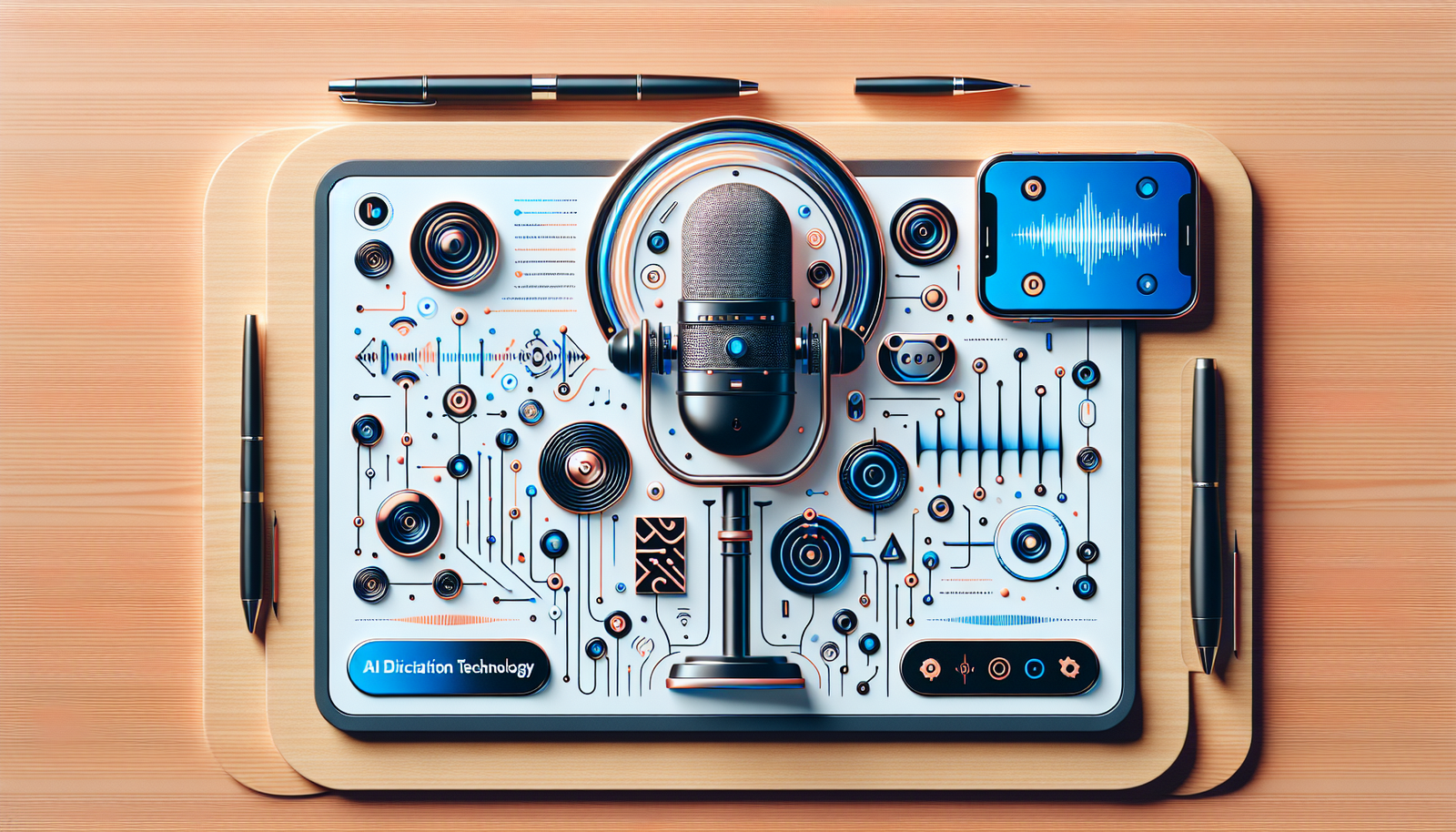
AI dictation refers to the use of artificial intelligence to convert spoken language into written text. This technology leverages automatic speech recognition (ASR) models to accurately transcribe audio into text. The recent launch of Google AI Edge Eloquent highlights the growing trend of offline-first dictation apps that enhance user experience by providing seamless transcription without requiring constant internet connectivity.
Why This Matters Now
The introduction of AI dictation apps like Google AI Edge Eloquent is significant in the current landscape of remote work and digital communication. With the rise of hybrid work environments, tools that enhance productivity and minimize distractions are essential. Offline capabilities allow users to dictate in various environments without the concern of internet availability, making it a timely addition to existing solutions like Wispr Flow and SuperWhisper. Developers should pay attention to this trend as the demand for efficient transcription solutions continues to grow.
Technical Deep Dive
Google’s AI Edge Eloquent utilizes the Gemma AI models for its automatic speech recognition capabilities. Here’s how it works:
- Download and Initialization: Users download the app and the Gemma ASR models, enabling offline transcription.
- Real-Time Transcription: The app provides live transcription, allowing users to see their words appear on the screen as they speak.
- Filler Word Removal: Upon pausing, the app automatically filters out filler words such as “um” and “ah,” producing cleaner text.
- Customization: Users can import jargon from their Gmail accounts or add custom vocabulary to enhance transcription accuracy.
Here’s a sample configuration for initializing the app:
import google_ai_edge

# Initialize the Google AI Edge Eloquent
eloquent = google_ai_edge.initialize(app_id="your_app_id")

# Start dictation
eloquent.start_dictation()
The app also offers various transformation options for the transcribed text, such as “Key points,” “Formal,” “Short,” and “Long,” which can be tailored to the user’s needs. Furthermore, it keeps a history of transcription sessions, enabling users to search through past entries. This functionality is crucial for professionals needing to revisit specific details from earlier dictations.
Real-World Applications
1. Content Creation
Writers and content creators can benefit from AI dictation by quickly transcribing interviews, brainstorming sessions, or even drafting articles. The ability to produce polished text without manual editing saves significant time.
2. Accessibility
Individuals with disabilities can use AI dictation to create written content effortlessly. The app’s ability to filter out filler words and provide clean text makes it an excellent tool for enhancing communication.
3. Business Meetings
During virtual meetings, users can dictate notes or summarize discussions in real-time. The app’s offline capability ensures that users can capture important details even in low-connectivity environments.
4. Education
Students can utilize AI dictation for taking lecture notes or completing assignments. The app can transcribe spoken lectures into formatted text, making studying more efficient.
What This Means for Developers
Developers should pay attention to the growing capabilities of AI dictation tools like Google AI Edge Eloquent. Key implications include:
- Explore integrations with existing applications to enhance functionality.
- Consider developing features that allow customization of ASR models for specific industries or user types.
- Focus on user experience by ensuring seamless offline capabilities and easy access to transcription features.
Future of AI Dictation (2025–2030)
As AI dictation technology evolves, we can expect significant advancements over the next few years. Here are some predictions:
- Increased accuracy of ASR models due to improved machine learning algorithms and larger datasets.
- Wider adoption across mobile platforms, including seamless integration with Android devices.
- Enhanced customization options for different industries, allowing for specialized vocabulary and context-aware transcription.
Challenges & Limitations
1. Accuracy in Noisy Environments
Despite advancements, AI dictation apps can struggle with accuracy in noisy settings. Background sounds may interfere with voice recognition, leading to errors in transcription.
2. Learning Curve for Users
New users may need time to adapt to the app’s features and functionalities, potentially limiting initial adoption rates.
3. Privacy Concerns
Users may have concerns about data privacy, particularly with cloud-based features. Ensuring transparency about data usage is crucial for building trust.
4. Limited Language Support
While many dictation apps support multiple languages, not all dialects or accents are represented, which may alienate certain user groups.
Key Takeaways
- AI dictation is revolutionizing the way we convert speech to text, especially with offline capabilities.
- Google AI Edge Eloquent introduces advanced features that improve transcription accuracy and usability.
- Practical applications include content creation, accessibility, and business communication.
- Developers should focus on integrations and user experience enhancements for dictation tools.
- Future advancements are likely to enhance accuracy, customization, and platform integration.
Frequently Asked Questions
What is the primary function of AI dictation apps?
AI dictation apps convert spoken language into written text, utilizing automatic speech recognition technology to facilitate real-time transcription.
How does Google AI Edge Eloquent differ from other dictation apps?
Google AI Edge Eloquent stands out due to its offline capabilities and advanced features that filter out filler words, providing polished outputs without manual editing.
What industries can benefit from AI dictation technology?
AI dictation technology is beneficial across various industries, including education, content creation, healthcare, and business communications, enhancing productivity and accessibility.
For more insights on AI and developer news, follow KnowLatest for the latest updates and trends.