AI Tokens in Developer Compensation: Future and Implications
“`html
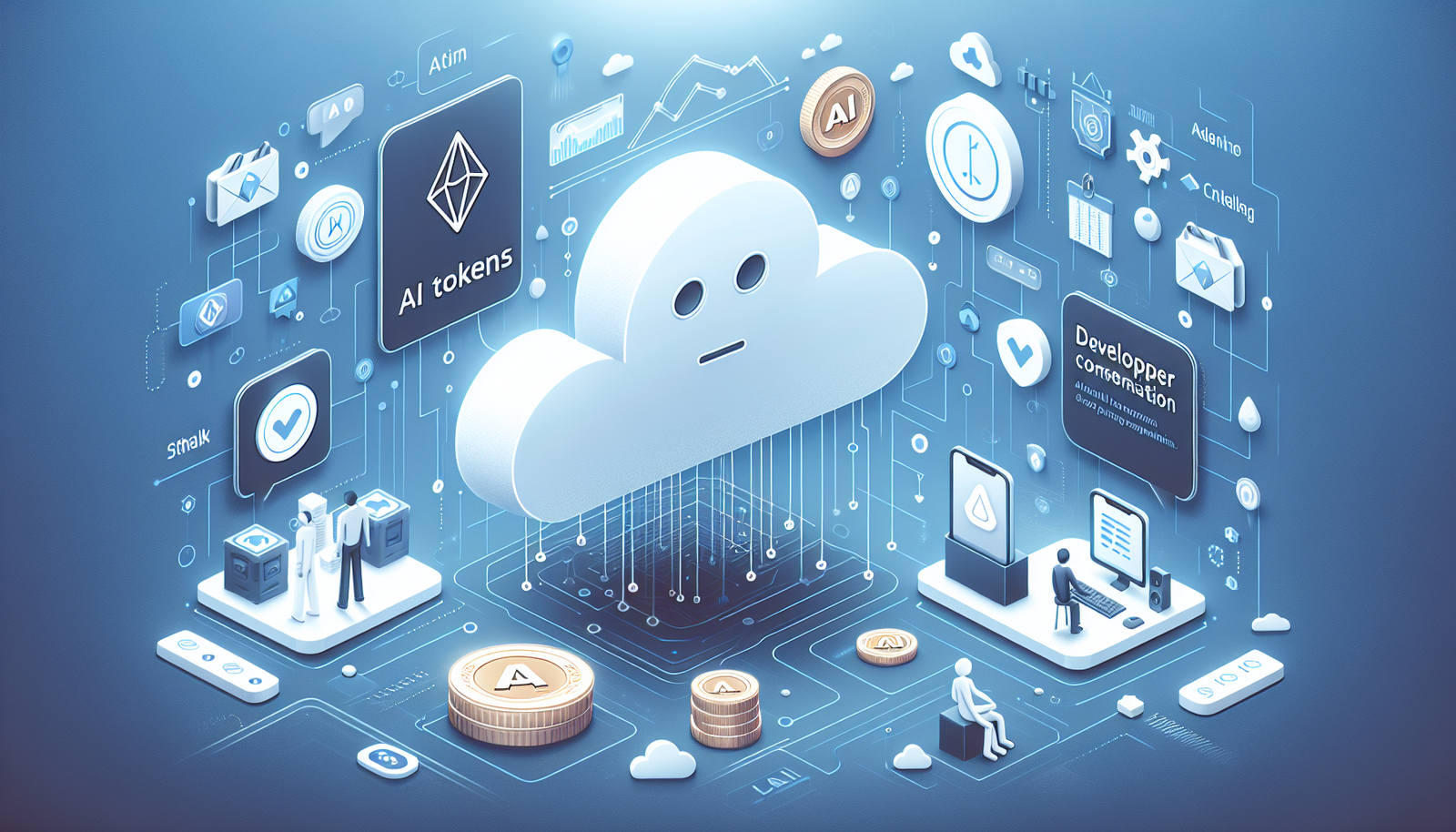
AI tokens refer to the computational units used to power advanced AI tools and applications. Recently, the conversation around AI tokens has gained traction as companies consider them as part of engineering compensation packages, alongside traditional salaries and bonuses. In this post, we will explore the implications of AI tokens in the tech industry, their potential benefits, and the challenges they present for developers and organizations.
What Are AI Tokens?
AI tokens are digital assets used to access computational resources necessary for running AI models, tools, and applications. These tokens allow developers and engineers to leverage AI capabilities without incurring direct costs for computational power. As noted in a recent article by TechCrunch, the use of AI tokens is becoming a significant trend in engineering compensation, supporting a new model of productivity and efficiency in software development.
Why This Matters Now
The increasing demand for AI capabilities in software engineering makes the discussion around AI tokens particularly relevant today. With companies like Nvidia proposing that engineers receive compensation in the form of tokens, organizations are beginning to view computational resources as essential assets for enhancing productivity. This shift is largely influenced by advancements in agentic AI, which can autonomously perform tasks and handle complex workflows, leading to higher demands for computational power.
As AI tools such as Claude, ChatGPT, and Gemini become integral to the development process, the concept of AI tokens as a component of compensation packages looks appealing. Developers should consider the implications of this trend, as it could redefine the standard for engineering roles in the tech industry.
Technical Deep Dive
Understanding the technical underpinnings of AI tokens involves examining their operational mechanisms and the infrastructure that supports them. At their core, AI tokens represent a unit of computational power that can be consumed when running AI models. This can include:
- Running inference on large language models (LLMs)
- Automating tasks via AI agents
- Processing data for machine learning pipelines
To illustrate the mechanics, consider how an engineer might utilize AI tokens in a coding environment:
import openai

# Set up your OpenAI API key
openai.api_key = 'YOUR_API_KEY'

# Function to process a request using AI tokens
def generate_code(prompt):
    response = openai.ChatCompletion.create(
        model="gpt-4",
        messages=[{"role": "user", "content": prompt}],
        max_tokens=200
    )
    return response.choices[0].message['content']

# Example usage
code_prompt = "Write a Python function to calculate Fibonacci numbers."
print(generate_code(code_prompt))
This example highlights how AI tokens can facilitate seamless interactions with AI models, enhancing developers’ productivity. However, as the consumption of tokens grows, so does the need for efficient management and allocation within organizations. Tracking this resource is becoming paramount, as engineers at companies like Meta and OpenAI are competing on internal leaderboards based on token consumption, illustrating the growing significance of AI tokens in the workplace.
Real-World Applications
1. Software Development
AI tokens can significantly reduce the development time for software engineers by automating repetitive tasks such as code generation, testing, and debugging. Tools like GitHub Copilot leverage AI to assist developers, making token management an integral part of modern software engineering.
2. Data Science
In the field of data science, AI tokens allow data scientists to run complex analyses and simulations without incurring prohibitive costs. For example, running a large-scale machine learning model can consume vast computational resources, and token budgets can streamline this process.
3. Natural Language Processing (NLP)
AI tokens are essential for applications in NLP, where models require substantial computational power to handle large datasets. By providing engineers with a budget of AI tokens, organizations can foster innovation and expedite the development of AI-powered language applications.
4. Research and Development
In R&D environments, AI tokens can enable rapid prototyping and testing of new algorithms or systems. Researchers can leverage these tokens to explore uncharted territories in AI without the fear of skyrocketing costs, thus encouraging experimentation.
What This Means for Developers
As AI tokens become more integrated into compensation structures, developers should consider the skills and tools necessary to adapt to this new landscape. Understanding how to manage token consumption effectively is crucial, which may involve:
- Learning to optimize code for efficiency
- Utilizing token tracking tools
- Understanding the pricing models of AI services
Moreover, developers should familiarize themselves with various AI frameworks and APIs to maximize their productivity and leverage AI capabilities efficiently. The transition towards a tokenized compensation model is not just about financial implications; it also emphasizes the importance of continuous learning and adaptation in a rapidly evolving technological landscape.
💡 Pro Insight: The introduction of AI tokens as a component of compensation packages will likely incentivize engineers to innovate and maximize productivity through AI. As this trend matures, organizations that effectively integrate token management into their workflows will gain a competitive advantage in attracting top talent and driving performance.
Future of AI Tokens (2025–2030)
Looking ahead, the role of AI tokens is poised to expand significantly in the coming years. As AI technologies continue to advance, we can expect the emergence of new frameworks for managing token allocation and consumption. This may include:
- Advanced token management systems that provide real-time analytics on token usage
- Integration of blockchain technology for transparent tracking of token distribution and consumption
- New compensation models that align with productivity metrics based on token consumption
By 2030, AI tokens could become a standard element of compensation packages across the tech industry, fundamentally reshaping how engineers are incentivized and rewarded for their contributions.
Challenges & Limitations
1. Cost Management
The introduction of AI tokens raises questions about cost management and budgeting. Companies may face challenges in accurately predicting token consumption, leading to potential financial strain.
2. Token Misuse
With the competitive nature of token consumption, there’s a risk of misuse, where employees might exploit their token budgets for unnecessary tasks, resulting in wasteful spending.
3. Equity Issues
As AI tokens become a part of compensation, disparities may arise between employees based on their ability to utilize these resources effectively, leading to potential morale issues within teams.
4. Dependency on AI
Over-reliance on AI tools facilitated by token budgets could diminish critical thinking and problem-solving skills among engineers, ultimately impacting the quality of work.
Key Takeaways
- AI tokens are emerging as a new form of compensation that enhances productivity for engineers.
- The usage of AI tokens is driven by the increasing reliance on advanced AI tools in software development.
- Companies need to implement effective token management systems to prevent misuse and control costs.
- Understanding the implications of AI tokens is crucial for developers to adapt to this evolving landscape.
- The future may see AI tokens becoming a standard part of compensation packages across the tech industry.
Frequently Asked Questions
What are AI tokens used for?
AI tokens are used to access computational resources for running AI models and applications, facilitating tasks such as automation and data processing.
How do AI tokens affect developer compensation?
AI tokens are becoming part of compensation packages, potentially supplementing salaries and bonuses to enhance overall earnings based on productivity.
What challenges come with using AI tokens?
Challenges include cost management, potential misuse of token budgets, equity issues among employees, and the risk of over-reliance on AI tools.
Call to Action
For more insights on AI tools and the evolving landscape of developer compensation, follow KnowLatest for the latest updates.