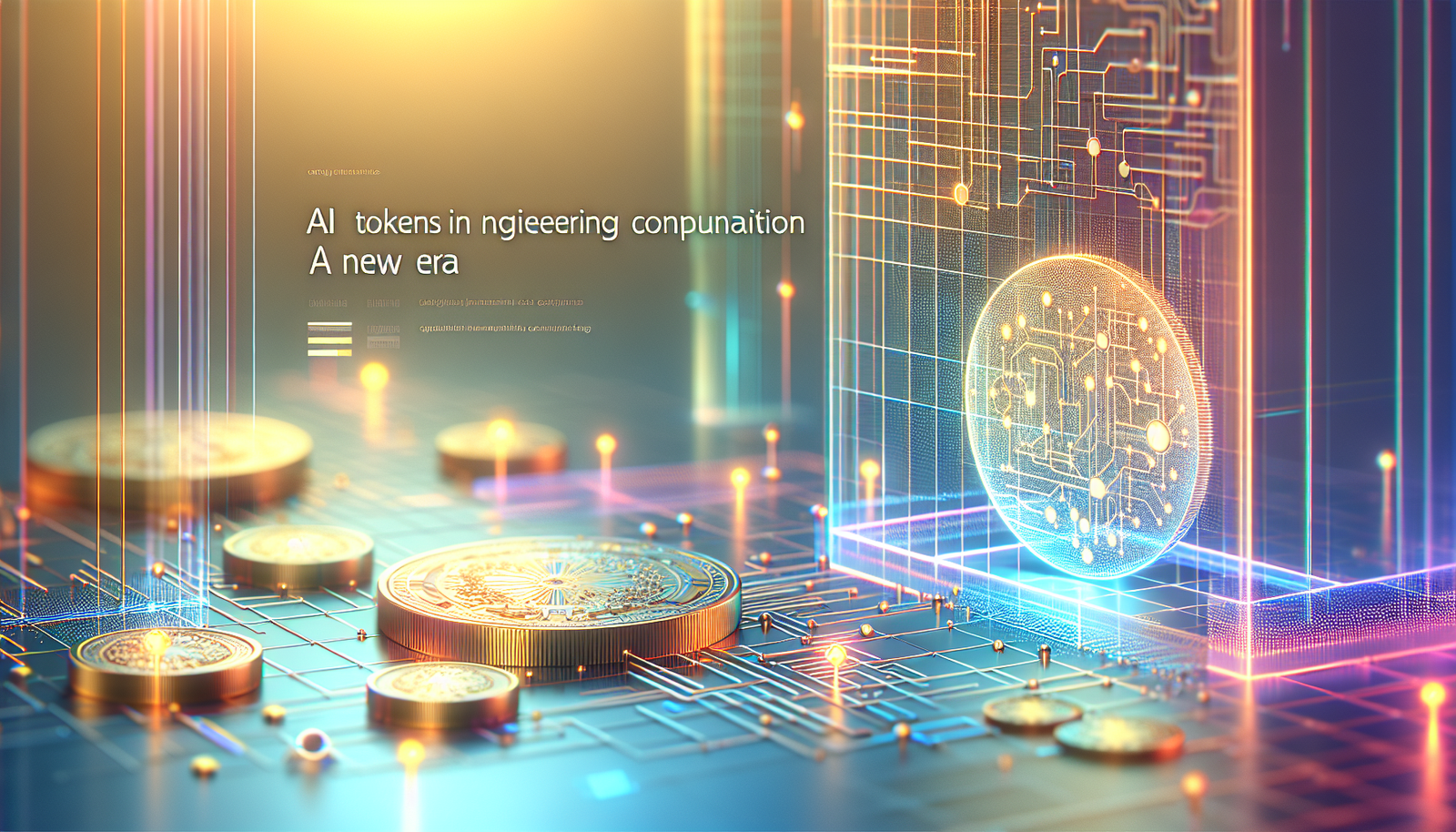
AI Tokens in Engineering Compensation: A New Era
“`html
AI tokens refer to computational units that can be used to access and run AI tools and services, significantly impacting engineering compensation. Recently, discussions have emerged in Silicon Valley regarding the potential for AI tokens to become a new component of engineer salaries, alongside traditional forms of compensation like equity and bonuses. This post will explore the implications of AI tokens in the software engineering landscape, examining their potential benefits and the challenges they pose.
What Is AI Tokens?
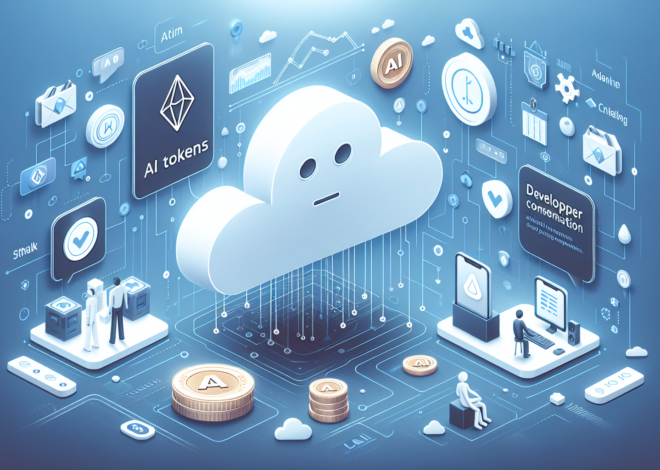
AI tokens are digital assets that can be utilized to access computational power for AI applications, essentially serving as a currency within AI ecosystems. Companies are beginning to consider these tokens as part of their compensation packages for engineers, potentially providing them with additional resources to enhance productivity. With the rise of agentic AI technologies, the demand for AI tokens is intensifying, making it a relevant topic in the current landscape of software engineering.
Why This Matters Now
The conversation around AI tokens is being fueled by several factors, including the increasing prevalence of AI in software development and the need for enhanced productivity tools. As companies like Nvidia advocate for incorporating AI tokens into compensation packages, engineers must assess whether this is a beneficial trend or simply a cost of doing business. The emergence of tools like OpenClaw, which automates task execution through AI, has escalated the discussion around the utility and necessity of AI tokens in modern engineering roles.
Technical Deep Dive
Understanding how AI tokens function requires delving into their architecture and practical applications. AI tokens can be thought of as credits that allow developers to utilize AI models for various tasks, from automating code generation to managing data pipelines. Here’s a breakdown of the key components involved:
- Token Acquisition: Companies may allocate a certain number of tokens to employees as part of their compensation. For instance, a software engineer with a base salary of $375,000 could receive an additional $100,000 worth of tokens.
- Token Utilization: Tokens can be spent to run various AI-driven tasks, such as:
- Running AI agents on platforms like Claude or ChatGPT for code generation.
- Automating repetitive tasks, thereby freeing up engineers for more complex problem-solving.
- Collecting insights from large datasets using advanced AI models.
- Cost Management: As token consumption increases, companies must manage these costs effectively to avoid overspending on AI resources.
| Feature | AI Tokens | Traditional Compensation |
|---|---|---|
| Flexibility | Can be spent on AI tasks as needed | Fixed salary, bonuses |
| Productivity Impact | Potentially enhances productivity | Dependent on individual performance |
| Market Fluctuation | Valuation can change based on demand | Stable, but may not keep up with inflation |
Real-World Applications
1. Software Development
In software development, AI tokens can be utilized to streamline workflows and improve code quality. For example, engineers might use tokens to run a swarm of AI agents that automatically generate or refactor code, reducing manual effort significantly.
2. Data Analysis
Data scientists can leverage AI tokens to execute complex data analysis tasks, enabling rapid insights extraction from large datasets without the need for extensive manual coding.
3. CI/CD Pipelines
Continuous Integration and Continuous Deployment (CI/CD) processes can be enhanced by using AI tokens to automate testing and deployment tasks, thus speeding up the overall development cycle.
4. Customer Support Automation
Companies can deploy AI tokens to run chatbots and virtual assistants, thereby improving customer support efficiency while reducing operational costs.
What This Means for Developers
As AI tokens become more prevalent, developers need to adapt their skills and workflows. Here are some actionable implications:
- Familiarize yourself with AI tools that utilize tokens for automation and productivity.
- Understand how to manage and allocate token resources effectively to maximize productivity.
- Stay informed about emerging trends in AI compensation and how they might affect your career trajectory.
💡 Pro Insight: As the demand for AI capabilities grows, companies will likely invest more in AI tokens as a means to attract and retain top talent. Engineers should prepare for a future where their compensation may be partially tied to their ability to leverage these resources effectively.
Future of AI Tokens (2025–2030)
The future of AI tokens looks promising, with predictions indicating a significant evolution in their use within the next five years. As AI continues to integrate deeper into software engineering practices, we can expect:
- Increased standardization of AI tokens across various companies, making them a norm rather than an exception.
- Further development of tools and platforms that facilitate the management and spending of AI tokens, improving their utility.
- Potential regulatory considerations surrounding token allocation and usage, as companies will need to ensure transparency and fairness in their compensation practices.
Challenges & Limitations
1. Cost Management
Managing the costs associated with AI tokens can be challenging, especially as their usage scales. Companies must implement robust budgeting strategies to prevent token expenses from spiraling out of control.
2. Value Assessment
It may be difficult to quantify the value that AI tokens bring to productivity versus traditional compensation methods. Engineers and employers need clear metrics to evaluate their effectiveness.
3. Market Volatility
The value of AI tokens may fluctuate based on market demand, which could lead to instability in compensation packages and create uncertainty for engineers.
4. Integration Challenges
Integrating AI tokens into existing compensation structures may present technical and cultural challenges that require careful navigation to ensure a smooth transition.
Key Takeaways
- AI tokens are emerging as a new form of compensation for engineers, promising enhanced productivity.
- Companies are beginning to adopt AI tokens as a standard, potentially reshaping compensation structures.
- Effective management and allocation of AI tokens will be crucial for maximizing their benefits.
- Future trends suggest that AI tokens will become more standardized and regulated.
- Developers must adapt to the evolving landscape of compensation and productivity tools.
Frequently Asked Questions
What are AI tokens used for?
AI tokens are used to access and utilize computational power for various AI applications, enhancing productivity in software development and data analysis.
How are AI tokens integrated into compensation?
Companies are starting to include AI tokens in their compensation packages, supplementing traditional salary and bonuses to improve productivity and attract talent.
What challenges do AI tokens present?
Challenges include cost management, value assessment, market volatility, and integration into existing compensation structures.
For more insights on AI trends and software engineering, follow KnowLatest for the latest updates.