Automatic Translations and Photo Editing with AI: Developer Insights
“`html
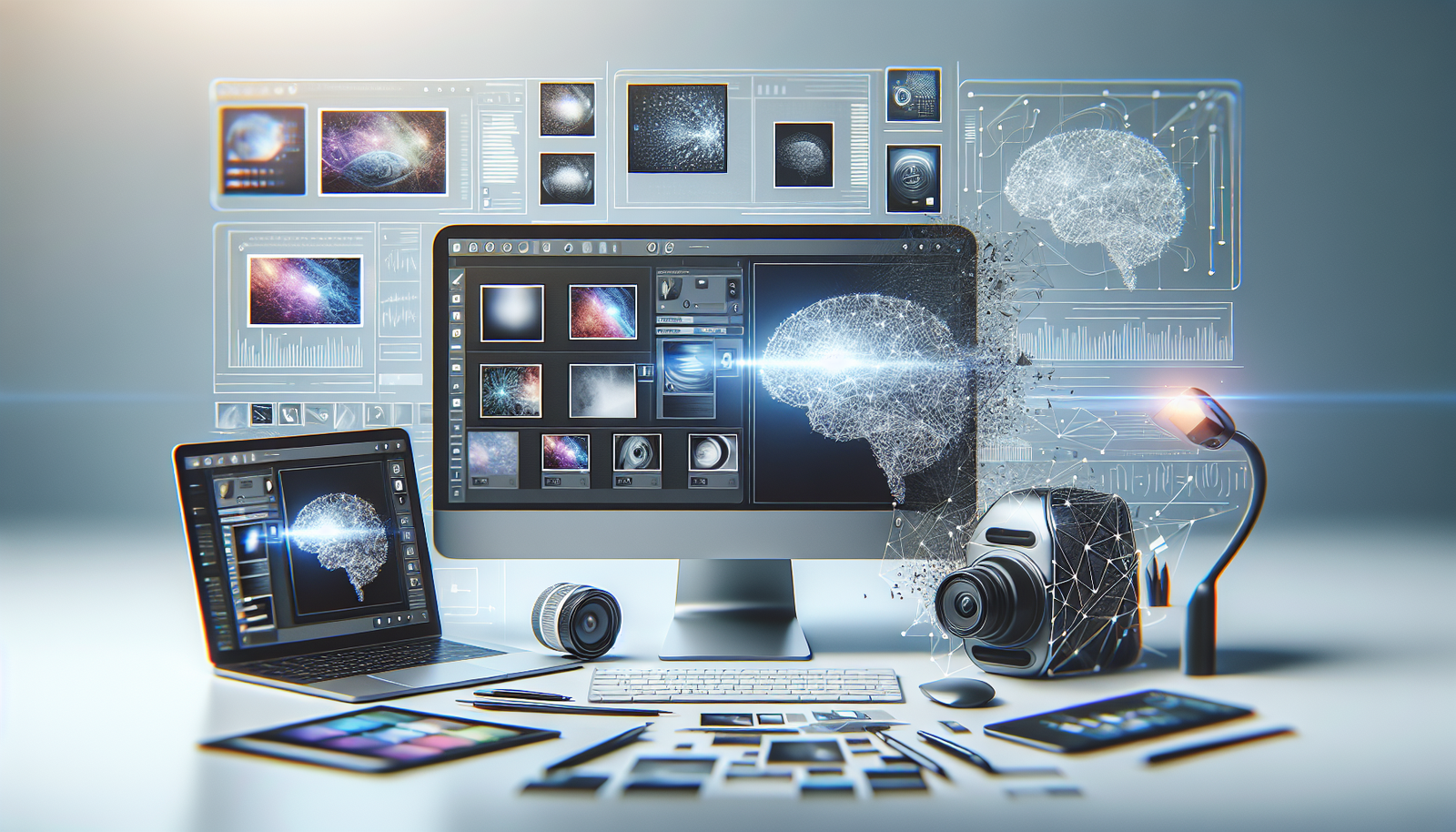
Automatic translations and AI-driven photo editing refer to the use of generative AI technologies to seamlessly convert text from one language to another and enhance images based on user prompts. Recently, X announced its rollout of these features powered by its flagship AI model, Grok. In this article, we will explore how these AI capabilities work, their significance in enhancing user experience, and what developers can learn from this advancement.
What Is Automatic Translations and Photo Editing?
Automatic translations and photo editing are features powered by generative AI models that enable users to translate text and manipulate images using natural language prompts. They leverage sophisticated machine learning techniques to provide real-time translations and photo enhancements, making them invaluable tools for global communication and creative expression.
Why This Matters Now
The introduction of automatic translations and photo editing comes at a crucial time when digital communication transcends geographic boundaries. As global interactions increase, the need for accessible and intuitive communication tools becomes evident. The recent announcement by X, which includes these AI features, highlights the growing importance of enhancing user experience on social platforms. Similar to efforts by other companies like Google and Adobe, this trend signifies a shift towards more interactive and user-friendly digital environments.
Developers should care about this trend as it reflects the future direction of user engagement. By integrating AI capabilities into applications, platforms can offer personalized experiences that cater to diverse audiences, ultimately driving user retention and satisfaction.
Technical Deep Dive
The technical backbone of automatic translations and photo editing typically involves Natural Language Processing (NLP) and computer vision technologies. Here’s a closer look at how these systems function:
Automatic Translation
Automatic translation is achieved through models trained on vast datasets encompassing multiple languages. The model identifies patterns and contextual meanings to generate accurate translations. For instance, X’s Grok model utilizes Transformer architecture, which excels in understanding context and semantics.
# Example Python code for translation using a transformer model
from transformers import AutoModelForSeq2SeqLM, AutoTokenizer

model_name = "Helsinki-NLP/opus-mt-en-de"  # English to German translation model
tokenizer = AutoTokenizer.from_pretrained(model_name)
model = AutoModelForSeq2SeqLM.from_pretrained(model_name)

def translate(text):
    inputs = tokenizer.encode(text, return_tensors="pt")
    outputs = model.generate(inputs, max_length=40)
    return tokenizer.decode(outputs[0], skip_special_tokens=True)

# Example usage
translated_text = translate("Hello, how are you?")
print(translated_text)
Photo Editing via Natural Language
Photo editing features powered by AI allow users to manipulate images by providing descriptive prompts. Grok, for instance, can interpret user commands like “turn this image into a painting” and apply corresponding filters and styles. This capability is facilitated by Generative Adversarial Networks (GANs) and other deep learning techniques that train on extensive image datasets.
# Example Python code for image manipulation
from PIL import Image
from torchvision import transforms

def apply_filter(image_path, filter_type="painting"):
    image = Image.open(image_path)
    if filter_type == "painting":
        # Example transformation for a painting effect
        transform = transforms.Compose([
            transforms.Resize((256, 256)),
            transforms.ColorJitter(brightness=0.2, contrast=0.2),
            transforms.ToTensor()
        ])
        return transform(image)
    return image

# Example usage
edited_image = apply_filter("path_to_image.jpg", "painting")
edited_image.show()
Real-World Applications
Social Media Platforms
Platforms like X can significantly benefit from AI-driven translations and photo editing, enhancing user engagement and accessibility. Users can share content without language barriers, increasing global reach.
E-commerce
In e-commerce, businesses can utilize automatic translations to cater to international customers, ensuring product descriptions and reviews are accessible. Additionally, AI photo editing can help in creating appealing product visuals based on customer preferences.
Content Creation
Content creators can leverage these tools to produce diverse content more efficiently. By using natural language prompts, they can generate tailored images and translations, thereby saving time and resources.
Education
Educational platforms can implement these features to provide multilingual resources and visual aids, making learning materials accessible to a broader audience.
What This Means for Developers
Developers should consider integrating similar AI capabilities into their applications. Skills in NLP and computer vision will be increasingly valuable, along with familiarity with machine learning frameworks like TensorFlow and PyTorch. Understanding how to implement these features can enhance the functionality of applications and provide users with a more enriched experience.
Furthermore, developers should stay updated on emerging AI technologies and ethical considerations, especially as AI becomes more intertwined with user-generated content.
💡 Pro Insight: The integration of AI in everyday applications is just the beginning. As user expectations for seamless interactions grow, developers will need to innovate continuously to create responsive and engaging environments. The future will see AI not just as a tool but as a core component of user experience design.
Future of Automatic Translations and Photo Editing (2025–2030)
Looking ahead, the technology surrounding automatic translations and photo editing is set to evolve significantly. By 2025, we can expect improvements in accuracy and contextual understanding, making translations more nuanced and culturally aware. The use of context-aware AI will allow for more sophisticated photo editing capabilities, adapting styles based on user preferences and context.
By 2030, we may see the integration of augmented reality (AR) with these features, allowing users to edit and translate content in real-time through their devices. This could revolutionize how we interact with digital media, making it more immersive and accessible.
Challenges & Limitations
Ethical Concerns
As AI-driven features become more prevalent, ethical considerations regarding user privacy and content manipulation must be addressed. Developers must implement robust guidelines to prevent misuse of these tools.
Model Limitations
While AI models have improved, they still face challenges with idiomatic expressions and context-specific translations, which can lead to inaccuracies.
Access and Cost
Not all users may have access to advanced features, especially if they are restricted to paid subscriptions. This can create disparities in user experience across different user segments.
Dependency on User Input
The effectiveness of AI-driven photo editing relies heavily on user prompts. Ambiguous or unclear instructions can result in unsatisfactory outcomes, necessitating user education on how to effectively utilize these features.
Key Takeaways
- The integration of automatic translations and photo editing enhances user experience on platforms like X.
- Developers should focus on skills in NLP and computer vision to stay relevant in the evolving tech landscape.
- AI features can significantly improve global communication and accessibility in various industries.
- Ethical considerations and model limitations are crucial factors to address in AI deployment.
- Future advancements may incorporate AR, creating a more immersive user experience.
Frequently Asked Questions
How does automatic translation work?
Automatic translation uses AI models trained on vast datasets to convert text from one language to another, aiming for contextual accuracy and semantic understanding.
What are the benefits of AI-driven photo editing?
AI-driven photo editing allows users to manipulate images using natural language prompts, streamlining the creative process and enhancing user engagement.
What are the limitations of these AI features?
Limitations include ethical concerns, model inaccuracies, and dependency on user input, which can affect the overall effectiveness of the tools.
For more insights on AI and technology developments, follow KnowLatest for the latest updates.
“`