Generative AI Market Dynamics: Anthropic vs SpaceX IPO
“`html
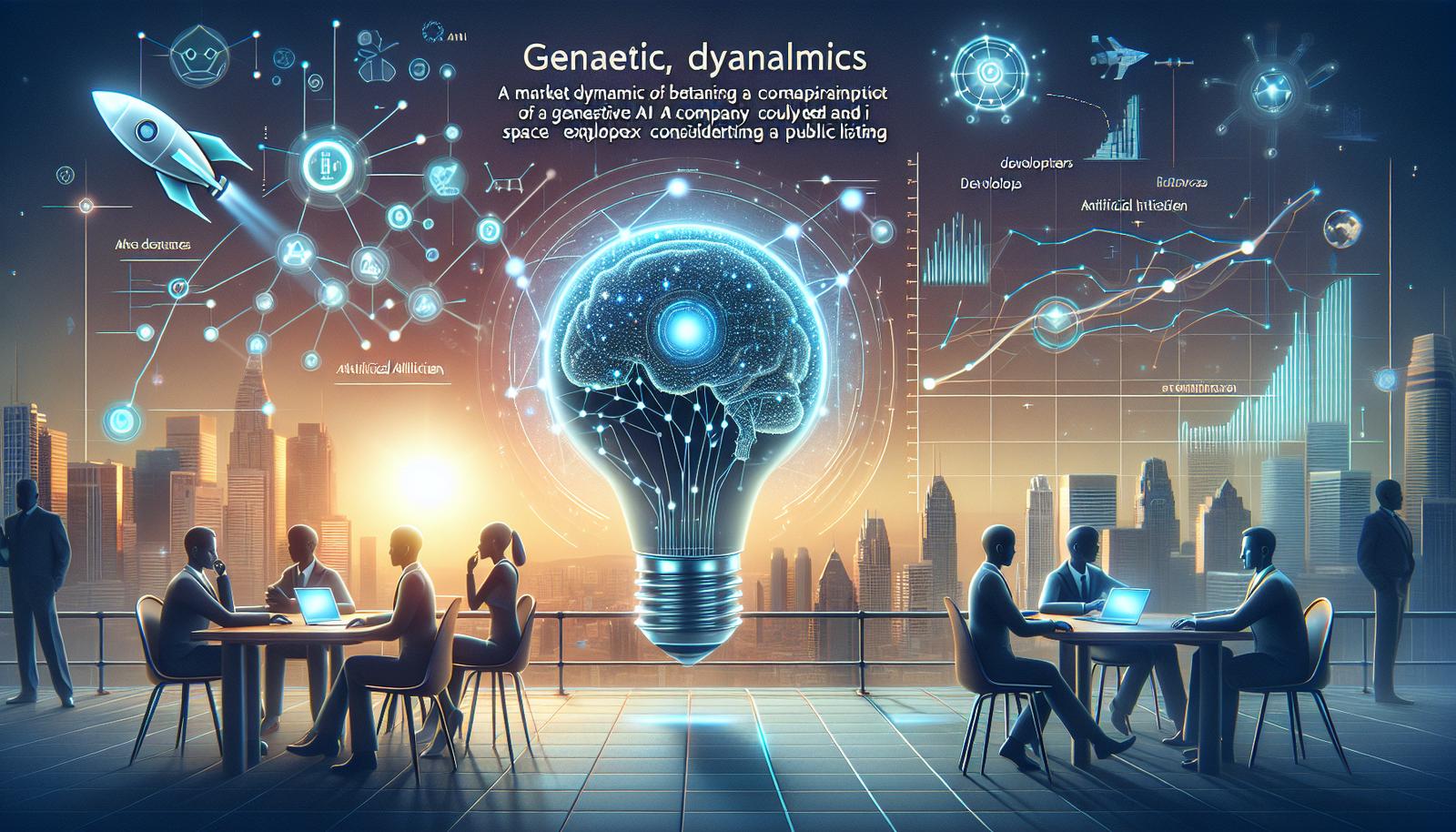
Generative AI is a branch of artificial intelligence that focuses on creating new content, such as text, images, or music, using algorithms and machine learning models. Recently, the private market for AI shares has become highly dynamic, with companies like Anthropic leading the charge while OpenAI appears to be losing its grip. In this post, we will explore the implications of these market shifts for developers and the future of generative AI.
What Is Generative AI?
Generative AI refers to algorithms that can generate new content by learning from existing data. These models are particularly useful for creating text, images, and audio, enabling a wide range of applications across industries. The recent activities in the private market surrounding companies like Anthropic highlight the growing significance of generative AI in today’s technological landscape.
Why This Matters Now
The generative AI market is experiencing a seismic shift, driven by increasing demand for innovative solutions. Glen Anderson, president of Rainmaker Securities, points out that the private market for shares is more active than ever, with Anthropic emerging as a key player while OpenAI seems to be losing traction. This shift is crucial for developers as it may impact the tools and frameworks they choose for AI implementation.
- Increased investment in generative AI technologies.
- Changing market dynamics influencing platform adoption.
- Need for developers to adapt to new industry standards.
Technical Deep Dive
To understand the implications of these market changes, we need to delve into the technical details surrounding generative AI. Key technologies include large language models (LLMs) and neural networks, which are foundational to building generative systems.
import numpy as np
from transformers import GPT2LMHeadModel, GPT2Tokenizer

# Load pre-trained model and tokenizer
model = GPT2LMHeadModel.from_pretrained('gpt2')
tokenizer = GPT2Tokenizer.from_pretrained('gpt2')

# Function to generate text
def generate_text(prompt):
    inputs = tokenizer.encode(prompt, return_tensors='pt')
    outputs = model.generate(inputs, max_length=50, num_return_sequences=1)
    return tokenizer.decode(outputs[0], skip_special_tokens=True)

# Example usage
print(generate_text("The future of AI is"))
This code snippet demonstrates how to implement a simple text generation model using Hugging Face’s Transformers library. By utilizing a pre-trained model like GPT-2, developers can quickly prototype applications in generative AI.
Real-World Applications
Content Creation
Generative AI is being used extensively in content creation tools. For instance, platforms like Jasper utilize AI to generate marketing copy, blog posts, and social media content, allowing businesses to scale their content production efficiently.
Art and Design
In the creative domain, tools like DALL-E by OpenAI allow artists to create images based on textual descriptions, revolutionizing how art is conceptualized and produced.
Gaming
Game developers are leveraging generative AI to create dynamic environments and storylines, enhancing player engagement through personalized experiences.
Healthcare
Generative models are also making waves in healthcare, where they can synthesize medical data to help in predictive analytics and clinical diagnostics.
What This Means for Developers
With the evolving landscape of generative AI, developers should focus on enhancing their skills in AI frameworks such as TensorFlow or PyTorch. Understanding LLMs and their applications will be crucial for creating innovative solutions. Moreover, staying updated on market trends will help developers align their projects with industry demands.
Pro Insight
💡 Pro Insight: As Glen Anderson from Rainmaker Securities suggests, the current market dynamics favor companies like Anthropic, presenting a unique opportunity for developers to align their skills with emerging platforms. Embracing these changes could set the stage for the next wave of innovation in generative AI.
Future of Generative AI (2025–2030)
The future of generative AI is poised for remarkable growth. By 2030, we can expect substantial advancements in model capabilities, leading to more sophisticated and context-aware applications. Companies will likely continue to invest heavily in generative technologies, making them foundational across various sectors.
One specific prediction is that we may see a shift towards more ethical AI practices, where transparency in AI-generated content is prioritized to build trust among users and stakeholders.
Challenges & Limitations
Market Volatility
The rapid changes in investor sentiment can lead to instability, affecting funding for projects and startups.
Data Privacy Concerns
Generative AI systems often require vast amounts of data, raising concerns about user privacy and data security.
Quality Control
Ensuring the quality and reliability of AI-generated content remains a significant challenge, particularly in high-stakes industries like healthcare.
Bias in AI Models
Generative AI can inadvertently perpetuate biases present in training data, necessitating ongoing efforts to mitigate these issues.
Key Takeaways
- Generative AI is reshaping content creation, design, and healthcare.
- Companies like Anthropic are gaining traction in the private market, influencing developer focus.
- Developers should enhance their skills in AI frameworks and stay updated on market trends.
- Ethical considerations will play a crucial role in the future of generative AI.
- Market volatility and data privacy remain significant challenges for the industry.
Frequently Asked Questions
What is generative AI?
Generative AI refers to algorithms that can create new content based on existing data, including text, images, and audio.
Why is Anthropic gaining popularity?
Anthropic is gaining traction due to its innovative approach to AI and strong demand in the private market, as highlighted by recent investments.
How can developers leverage generative AI?
Developers can leverage generative AI by building applications that utilize machine learning models for content generation, automation, and personalized user experiences.
To stay informed about the latest developments in AI and technology, follow KnowLatest for more insights.