Generative AI Security Risks: Understanding the Implications
“`html
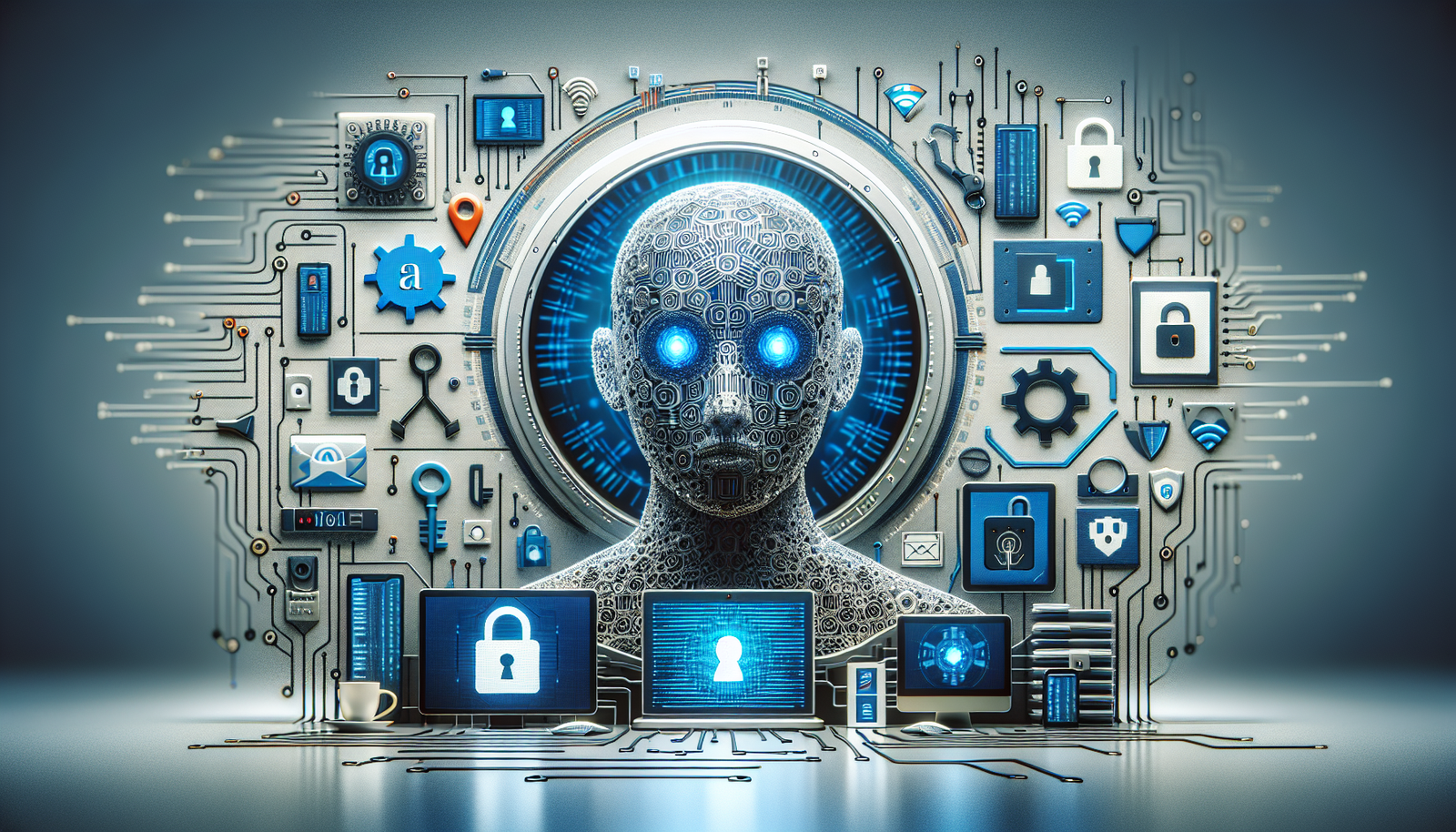
Generative AI security risks refer to the potential vulnerabilities and threats posed by AI systems, particularly in financial and enterprise environments. Recent discussions among Trump officials advocating for banks to test Anthropic’s Mythos model highlight the need for robust AI security measures, especially given its ability to detect vulnerabilities. In this post, we’ll explore the implications of using Mythos in banking, its architecture, real-world applications, and the challenges developers may face.
What Is Generative AI Security Risks?
Generative AI security risks encompass the vulnerabilities that arise from deploying AI models, particularly in sensitive sectors like finance. These risks can include unauthorized access, data breaches, and misuse of AI capabilities. As banks are encouraged to test Anthropic’s Mythos model to identify such vulnerabilities, understanding these risks has become increasingly critical.
Why This Matters Now
The urgency of addressing generative AI security risks has escalated due to recent government initiatives encouraging banks to adopt advanced models like Mythos to identify vulnerabilities. This is particularly significant as the Department of Defense has labeled Anthropic a supply-chain risk, indicating heightened scrutiny around AI implementations. Developers must be aware of the evolving landscape of AI security to build resilient systems that can withstand potential threats.
Technical Deep Dive
To understand generative AI security risks, we need to examine the architecture and functionality of the Mythos model, which is designed to detect vulnerabilities in systems. Below is an overview of its key components:
- Model Architecture: Mythos employs advanced neural network architectures optimized for anomaly detection.
- Data Training: Despite not being specifically trained for cybersecurity, it leverages extensive datasets to identify patterns that may indicate vulnerabilities.
- Detection Mechanism: The model uses a combination of supervised and unsupervised learning techniques to evaluate system integrity.
Here’s a sample Python code snippet that illustrates how to implement a basic vulnerability detection system using a generative AI framework:
import torch
from transformers import MythosModel

# Load the Mythos model
model = MythosModel.from_pretrained('anthropic/mythos')

# Sample input data representing system logs
input_data = ["log1", "log2", "log3"]

# Predict vulnerabilities
predictions = model.detect_vulnerabilities(input_data)

# Output predictions
print(predictions)
In this example, we utilize the Mythos model to analyze system logs for potential vulnerabilities. The model’s ability to adapt to various data inputs is crucial for effective detection.
Real-World Applications
Financial Institutions
Banks like JPMorgan Chase and Goldman Sachs are already testing Mythos for vulnerability detection, ensuring their systems are secure against emerging threats.
Government Agencies
Given the Department of Defense’s concerns, government agencies can leverage Mythos to assess and mitigate supply-chain risks associated with AI technologies.
Healthcare Sector
Healthcare organizations can utilize Mythos to protect sensitive patient data from potential breaches, especially as they increasingly rely on AI for diagnostics and treatment planning.
What This Means for Developers
Developers must prioritize understanding generative AI security risks to enhance their skillsets. This involves:
- Implementing robust security measures in AI models.
- Staying updated with best practices for data privacy and protection.
- Collaborating with cybersecurity teams to conduct regular vulnerability assessments.
💡 Pro Insight: As AI continues to permeate various industries, the focus on security will intensify. Developers who proactively integrate security measures into their AI solutions will lead in creating resilient systems capable of withstanding sophisticated threats.
Future of Generative AI Security Risks (2025–2030)
The role of generative AI in security will likely evolve significantly in the next five years. We can anticipate:
- Increased Regulation: Governments may impose stricter regulations on AI deployments, particularly in sensitive sectors.
- Advanced AI Security Tools: New tools and frameworks will emerge, leveraging AI to enhance security protocols.
- Collaboration Across Sectors: Cross-industry partnerships will become crucial in sharing insights and best practices for AI security.
Challenges & Limitations
Data Privacy Concerns
AI models like Mythos require access to sensitive data, raising concerns about data privacy and compliance with regulations such as GDPR.
Model Bias
Generative AI models can exhibit biases that may affect their ability to detect vulnerabilities accurately, leading to potential oversight in security assessments.
Integration Complexity
Integrating advanced AI solutions into existing systems can be complex and may require significant adjustments in architecture and workflows.
Key Takeaways
- Generative AI security risks are a growing concern, especially in financial sectors.
- Anthropic’s Mythos model is being tested by major banks to enhance vulnerability detection.
- Developers must prioritize security practices when implementing AI solutions.
- Future AI security tools will evolve, necessitating ongoing education and adaptation for developers.
- Collaboration across industries will be key to addressing generative AI security risks effectively.
Frequently Asked Questions
What are generative AI security risks?
Generative AI security risks refer to the vulnerabilities and threats that arise from deploying AI models, especially in sensitive sectors like finance and healthcare.
How can AI models enhance cybersecurity?
AI models can identify vulnerabilities and anomalies in systems, offering proactive solutions to potential security threats.
What challenges do developers face when implementing AI security measures?
Developers may encounter challenges such as data privacy concerns, model bias, and the complexity of integrating AI solutions into existing infrastructures.
To stay updated on the latest developments in AI and generative technologies, follow KnowLatest for more insightful articles.
“`