Jeff Bezos Plans $100 Billion AI Manufacturing Transformation
Jeff Bezos is reportedly embarking on an ambitious project aimed at transforming old manufacturing firms with AI, seeking a staggering $100 billion to fund this initiative. This article will delve into the implications of his plans, the underlying technology, and the potential impact on various industries. Read on to discover how Bezos aims to leverage AI to reshape manufacturing and what this means for the future.
Context of Bezos’ $100 Billion AI Initiative
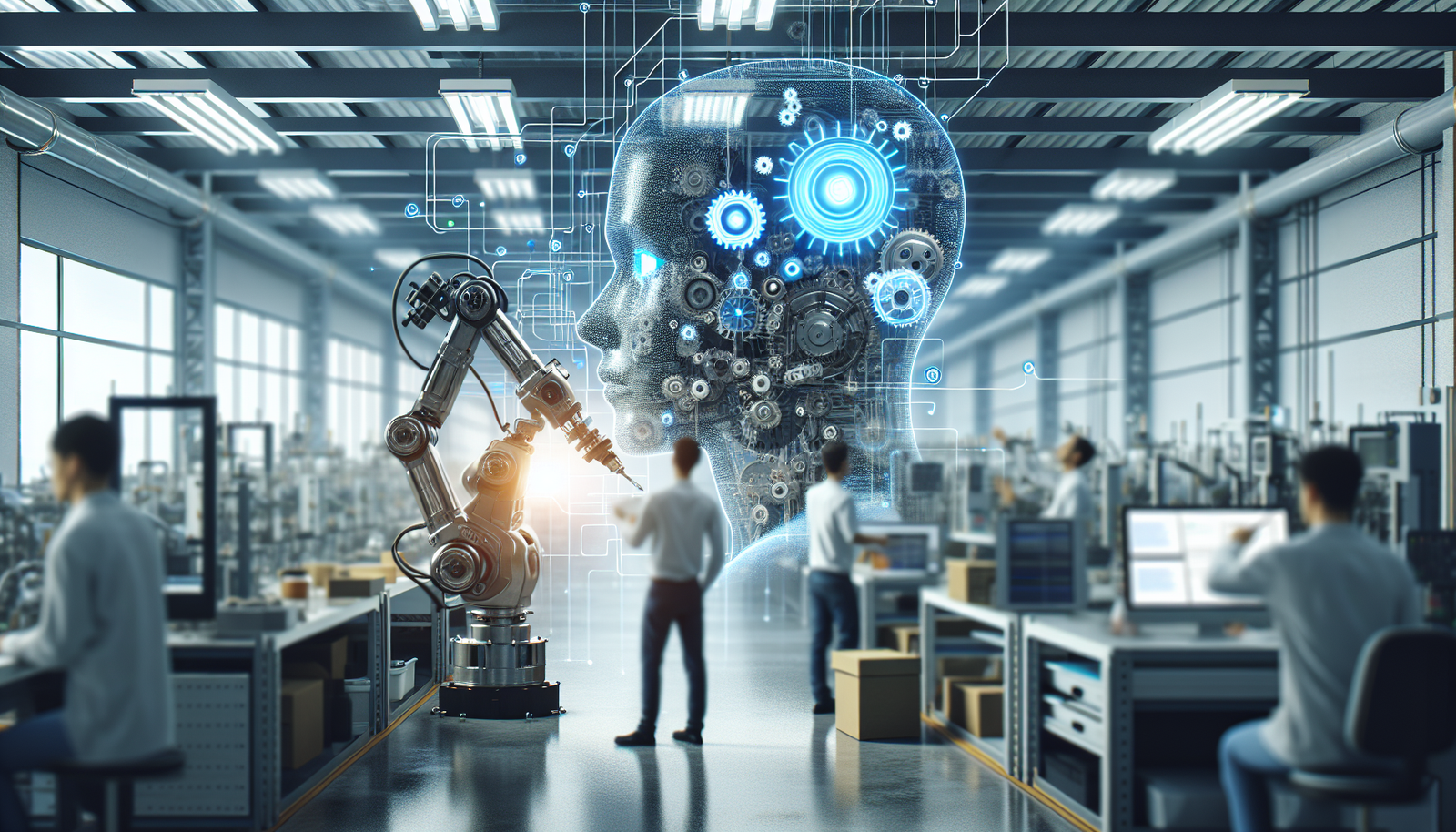
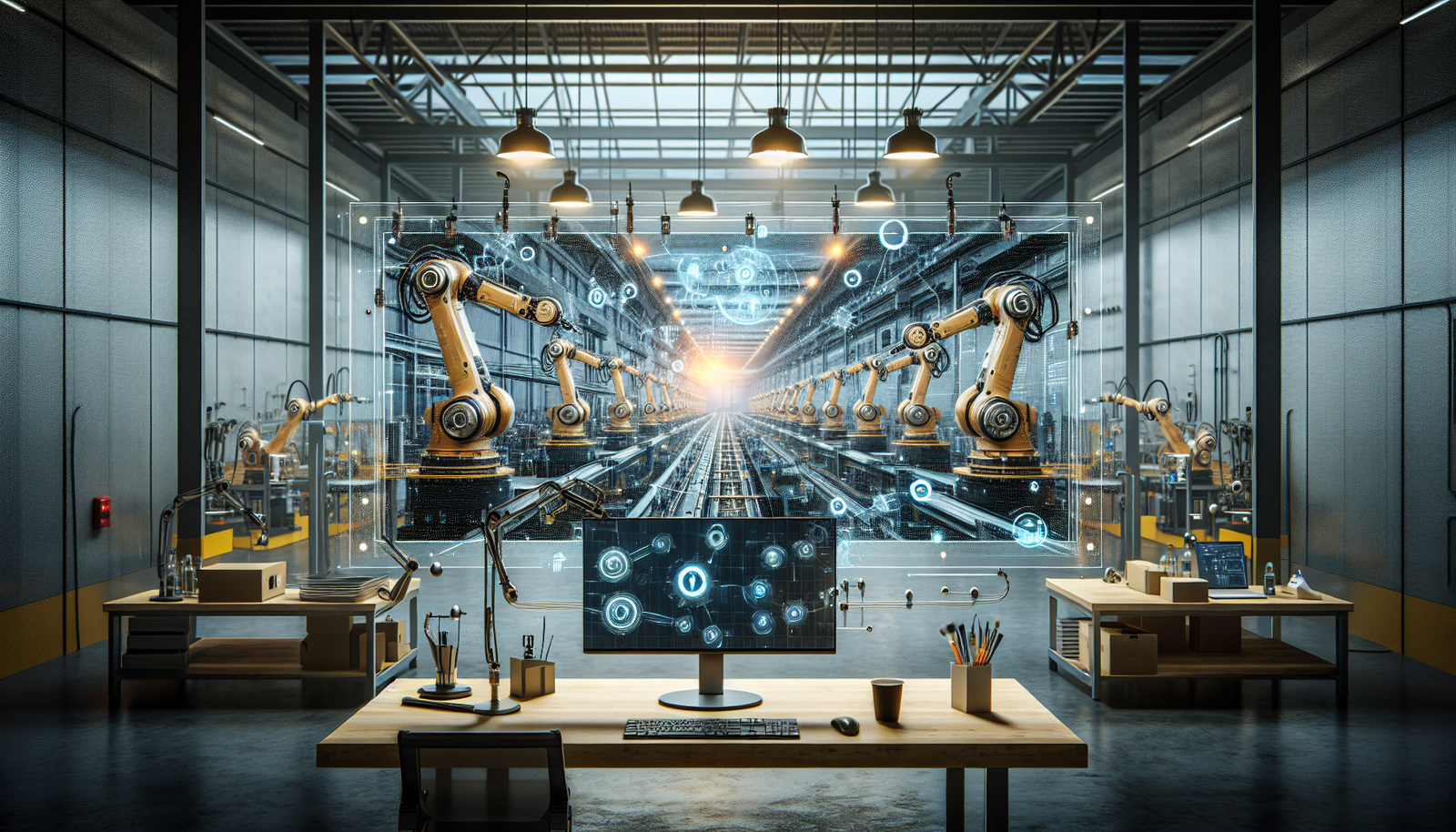
In a landscape where traditional manufacturing struggles to keep pace with technological advancements, Jeff Bezos’ new project is timely and significant. With an increasing push towards automation and AI-driven processes, industries like aerospace, automotive, and defense are ripe for transformation. By acquiring and modernizing these firms, Bezos aims to inject state-of-the-art AI capabilities into sectors that have historically lagged in innovation.
Technical Deep Dive into Project Prometheus
Bezos’ initiative is closely tied to Project Prometheus, his AI startup co-founded with former Google executive Vik Bajaj. This project has launched with an impressive $6.2 billion in funding aimed at developing advanced AI models tailored for manufacturing and engineering applications. The goal is to harness these models to enhance operational efficiency and productivity.
- Target Industries: Aerospace, chipmaking, defense
- Funding Goals: Raising $100 billion for acquisitions
- AI Focus: High-level AI models for automation
These models will be integrated into the acquired firms, allowing for transformative changes in how manufacturing processes are executed. This synergistic approach combines capital investment with cutting-edge technology, creating a pathway for modernization in industries that need it most.
Real-World Applications of AI in Manufacturing
For developers and AI practitioners, Bezos’ project opens up numerous avenues for application:
- Aerospace: Enhancing design and production processes through AI-driven simulations.
- Automotive: Implementing AI for predictive maintenance and quality control.
- Defense: Streamlining logistics and operational efficiency with AI analytics.
These applications not only promise to optimize existing workflows but also pave the way for entirely new business models and operational paradigms.
“As researchers note, the integration of AI into traditional manufacturing can lead to unprecedented efficiency gains and cost reductions.”
Challenges & Limitations of AI Integration
While the potential for AI in manufacturing is vast, there are notable challenges. The integration of AI requires not just technological change but also cultural shifts within organizations. Resistance from employees accustomed to traditional methods can hinder implementation. Moreover, the significant capital investment needed poses financial risks, especially if the anticipated returns do not materialize.
Key Takeaways
- Jeff Bezos is seeking $100 billion to modernize old manufacturing firms with AI.
- Project Prometheus aims to develop high-level AI models for various industries.
- The initiative targets sectors like aerospace, automotive, and defense.
- Challenges include cultural resistance and significant financial risks.
- Real-world applications promise to enhance efficiency and create new business models.
Frequently Asked Questions
What is Project Prometheus?
Project Prometheus is an AI startup co-founded by Jeff Bezos and Vik Bajaj, focused on developing advanced AI models for manufacturing and engineering.
What industries will benefit from Bezos’ $100 billion initiative?
The initiative primarily targets aerospace, automotive, and defense industries, aiming to modernize their operational processes with AI technology.
What challenges could arise from integrating AI into traditional manufacturing?
Key challenges include resistance to change within organizations and the substantial financial investment required, which could pose risks if returns are not as expected.
Follow KnowLatest for more updates on AI developments and insights into the tech industry.