Making AI Agents Accessible: How Poke Simplifies Automation
“`html
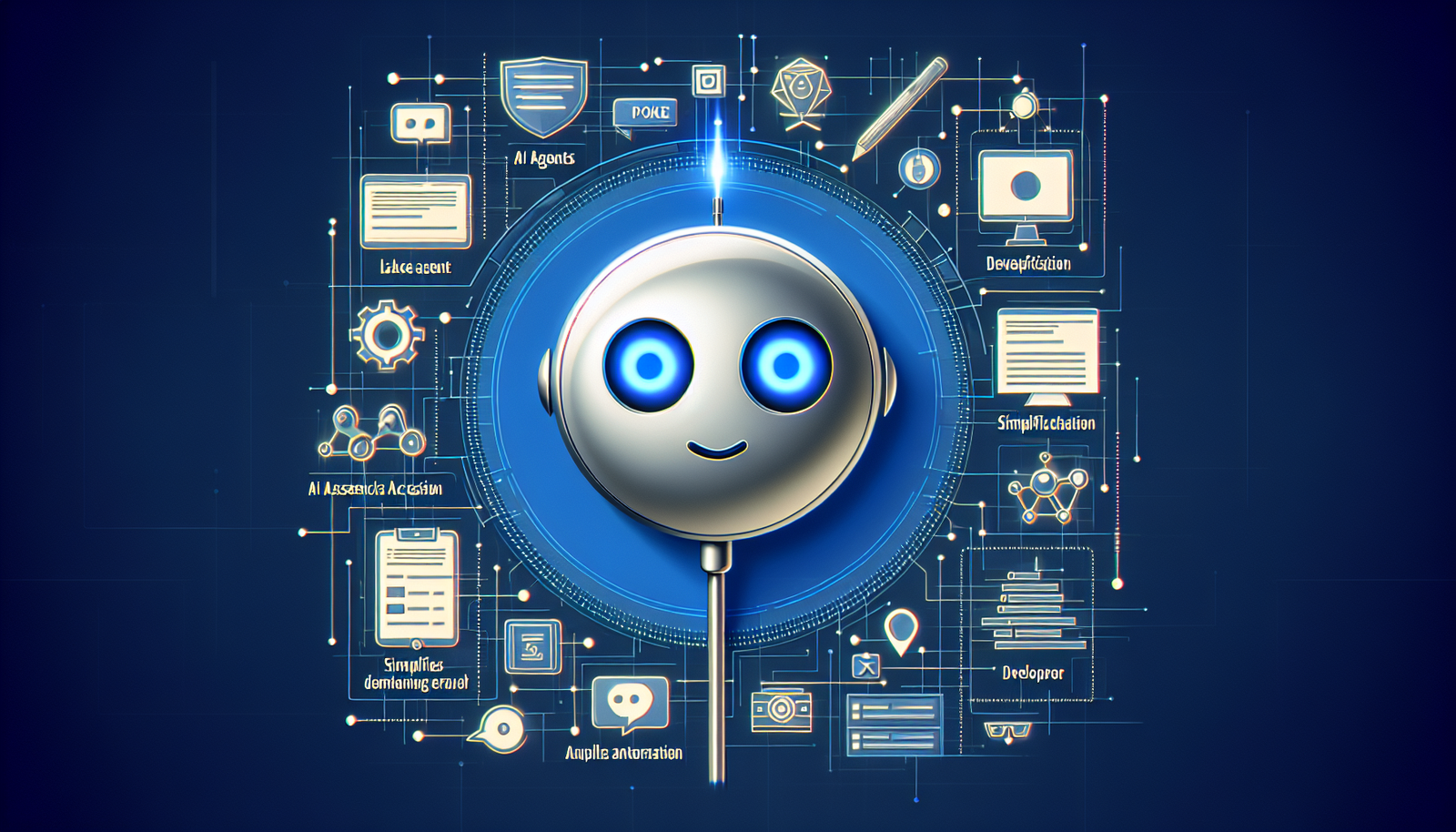
Poke is an AI agent platform that allows users to manage various tasks through text messaging interfaces like SMS, iMessage, and Telegram. This innovative approach transforms complex AI interactions into simple, everyday communications, making AI accessible to a broader audience. With Poke, users can automate tasks such as scheduling, reminders, and smart home control without needing specialized technical knowledge. The rise of AI agents like Poke comes at a time when consumers increasingly seek intuitive solutions for managing daily tasks. The demand for user-friendly AI tools has surged, particularly as organizations and individuals look for ways to enhance productivity and simplify their lives. This trend is exemplified by the recent investment in Poke, which raised an additional $10 million on top of a previous $15 million seed round, showcasing investor confidence in the future of accessible AI technology. As noted in a recent article from TechCrunch, the ability to engage with AI through familiar messaging platforms addresses barriers faced by less technical users. This democratization of AI tools is crucial in ensuring broader adoption across various demographics. Poke operates by integrating AI models that best fit user tasks, whether sourced from major providers or open-source solutions. This architecture allows Poke to adapt to various functionalities, from scheduling to health monitoring. Below, we outline the technical components that make Poke effective: Here’s a simplified code snippet that illustrates the basic interaction model for Poke: Poke can send daily medication reminders and track user health metrics. This is particularly beneficial for healthcare providers looking to enhance patient engagement. Using Poke, users can manage smart home devices through simple messages. For instance, users can request to adjust thermostat settings or turn on lights, providing a seamless home automation experience. By integrating with calendar applications, Poke can assist users in scheduling appointments and sending reminders, effectively functioning as a personal assistant. Poke can monitor fitness goals by providing updates and reminders related to exercise routines and progress tracking, making it a valuable tool for fitness enthusiasts. For developers, Poke represents an opportunity to create applications that leverage AI capabilities without requiring users to have technical proficiency. This opens up avenues for building user-friendly AI interfaces that prioritize accessibility. Developers should consider the following: 💡 Pro Insight: As AI agents like Poke become mainstream, developers must prioritize user-centric design to ensure these tools are not only functional but also engaging. The future of AI will hinge on its ability to blend seamlessly into user’s daily lives. In the coming years, we expect Poke and similar platforms to evolve significantly. By 2025, the integration of more advanced AI models will likely enable deeper personalization, allowing the assistant to learn user preferences over time. Furthermore, as AI regulations develop, platforms will need to adapt their data handling practices to remain compliant while still offering valuable services. By 2030, we could see Poke evolve into a comprehensive personal assistant capable of managing complex tasks across multiple domains, from health to finance, all through natural language processing and machine learning advancements. This trajectory suggests a future where AI agents will become indispensable in everyday life, fundamentally changing how we interact with technology. As Poke handles sensitive data, ensuring user trust through robust security measures is crucial. Any breaches could significantly undermine user confidence. Poke’s reliance on various AI models means that the quality of service can vary. Ensuring consistency across tasks remains a challenge. While Poke aims for global accessibility, regional differences in messaging app popularity and regulations could limit its reach. Poke’s functionality is contingent on reliable internet access, which can be a barrier in areas with poor connectivity. Poke is an AI agent that allows users to manage tasks via messaging platforms like SMS and Telegram, making AI accessible without technical expertise. Poke automates everyday tasks such as scheduling, reminders, and health monitoring, allowing users to focus on more important activities. Poke faces challenges related to user trust, AI model limitations, and regional accessibility, which could affect its adoption. For more insights on AI tools and technologies, follow KnowLatest for the latest updates. “`What Is Poke?
Why This Matters Now
Technical Deep Dive
from twilio.rest import Client
# Initialize Twilio client
client = Client(account_sid, auth_token)
# Function to send a message
def send_message(to, body):
message = client.messages.create(
to=to,
from_="Real-World Applications
Personal Health Management
Smart Home Control
Task Management
Fitness Tracking
What This Means for Developers
Future of Poke (2025–2030)
Challenges & Limitations
User Trust and Security
AI Model Limitations
Accessibility Across Regions
Dependence on Internet Connectivity
Key Takeaways
Frequently Asked Questions
What is Poke?
How does Poke enhance productivity?
What challenges does Poke face?