Online Bot Traffic: Preparing for a Future Beyond 2027
“`html
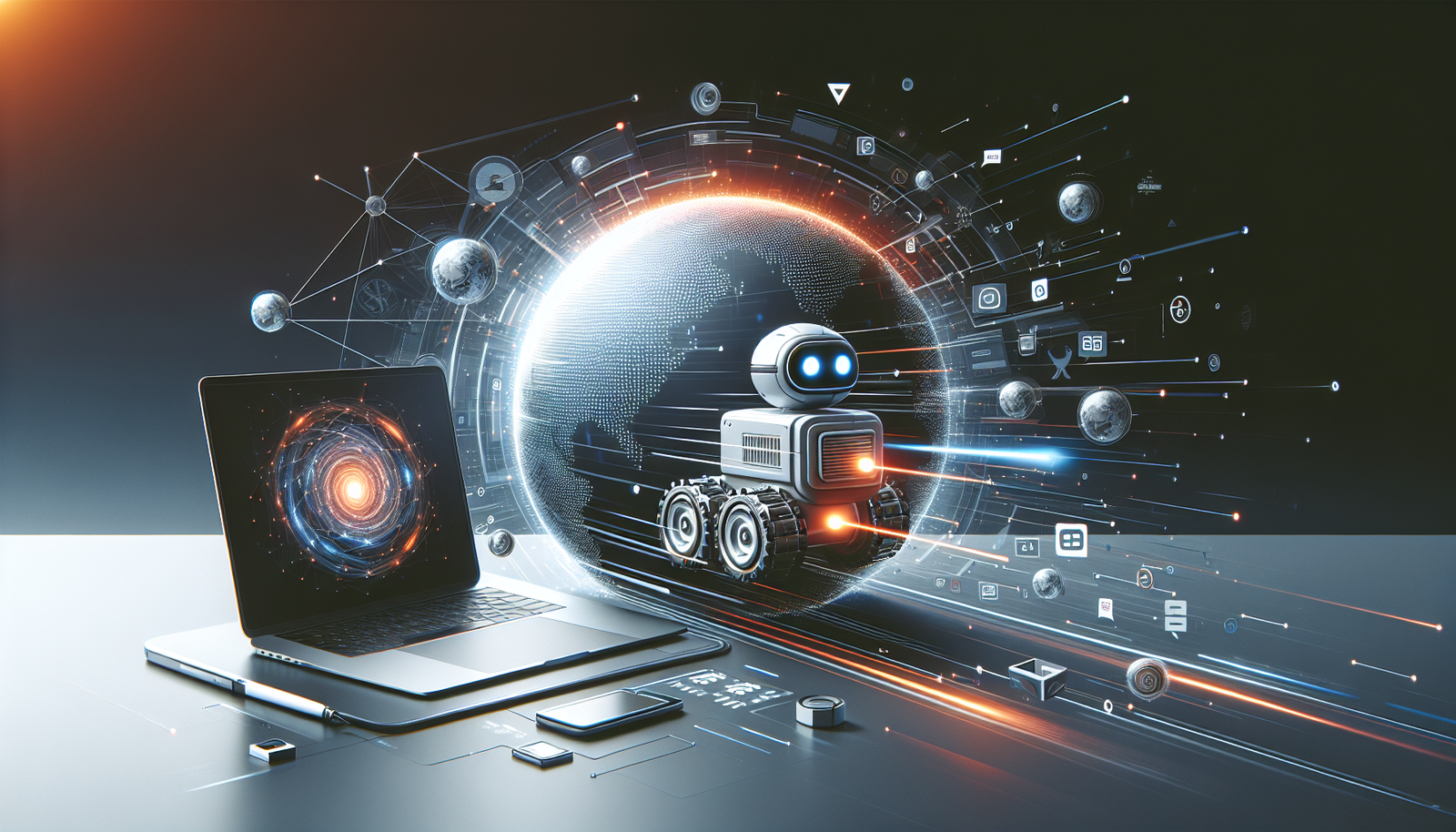
Online bot traffic refers to the web activity generated by automated scripts or programs, often outpacing human visitors. Recently, Cloudflare CEO Matthew Prince projected that this form of traffic will exceed human traffic by 2027. In this post, we will explore the implications of this trend, the technical demands it creates, and how developers can prepare for a future dominated by AI-driven interactions.
What Is Online Bot Traffic?
Online bot traffic refers to the automated requests made by scripts or bots to web servers, often for the purpose of data retrieval, scraping, or automated interactions. Its significance is growing rapidly, particularly due to advancements in generative AI technologies, which are projected to vastly increase the volume of such traffic. According to Matthew Prince, the CEO of Cloudflare, this surge is expected to exceed human traffic by 2027, raising important considerations for web infrastructure and security.
Why This Matters Now
The rise of online bot traffic is a critical issue today, driven by the exponential growth of generative AI applications. As bots become more capable of executing complex tasks—like visiting thousands of websites to gather information—the load on web servers increases significantly. This phenomenon poses a challenge for developers and companies to adapt their infrastructure accordingly. As noted in a recent interview, “the amount of bot traffic online will exceed the amount of human traffic” by 2027, making it imperative to rethink web architecture and security measures.
Technical Deep Dive
To manage the anticipated increase in online bot traffic, developers must understand the underlying technologies and methodologies that can help optimize web infrastructure. Here are some key aspects to consider:
1. Understanding Bot Behavior
Bots can simulate human behavior, making it essential to distinguish between legitimate and malicious traffic. Techniques such as user-agent verification, rate limiting, and behavioral analysis can help identify bot traffic patterns.
2. Scalable Infrastructure
As bot traffic increases, scaling infrastructure becomes crucial. This can be achieved through:
- Load Balancing: Distributing network traffic across multiple servers to prevent overload.
- Cloud Services: Utilizing cloud providers like AWS or Google Cloud for dynamic scaling based on traffic demands.
- Edge Computing: Processing data closer to the user to reduce latency and server load.
3. Security Measures
With the rise of AI bots, new security challenges emerge. Implementing the following techniques can mitigate risks:
- Rate Limiting: Restricting the number of requests a user can make in a given time frame.
- CAPTCHA: Using challenges to differentiate between humans and bots.
- Sandbox Environments: Creating isolated environments for executing bot tasks, which can be spun up and down as needed.
4. Real-World Implementation Example
Here’s a simple Python example using Flask to implement rate-limiting for bot traffic:
from flask import Flask, request
from time import time

app = Flask(__name__)
rate_limit = {}
limit_duration = 60  # seconds
limit_requests = 10

@app.route('/api/data', methods=['GET'])
def limit_request():
    ip = request.remote_addr
    current_time = time()
    if ip not in rate_limit:
        rate_limit[ip] = []

    # Clean up old requests
    rate_limit[ip] = [req for req in rate_limit[ip] if current_time - req < limit_duration]

    if len(rate_limit[ip]) >= limit_requests:
        return "429 Too Many Requests", 429

    rate_limit[ip].append(current_time)
    return {"data": "Here is your data!"}

if __name__ == '__main__':
    app.run(debug=True)
Real-World Applications
1. E-commerce
Online retailers can leverage AI bots for price comparison, inventory management, and customer service, allowing for a better shopping experience.
2. Content Aggregation
News and information websites can utilize bots to scrape relevant data from multiple sources, delivering comprehensive content to users efficiently.
3. Marketing Automation
Companies can automate social media interactions and email responses, freeing up human resources for more strategic tasks.
4. Data Analysis
Organizations can deploy bots for real-time data collection and analysis, enabling faster decision-making processes.
What This Means for Developers
Developers must adapt by enhancing their skills in cloud infrastructure, security protocols, and bot management techniques. Understanding how to build scalable and secure architectures will be crucial. Emphasizing API design, rate-limiting strategies, and sandboxing techniques will become increasingly essential as bot traffic grows.
💡 Pro Insight: As the landscape shifts towards a bot-dominant internet, developers must not only focus on creating robust applications but also on implementing intelligent traffic management systems that can adapt to evolving user behaviors and demands.
Future of Online Bot Traffic (2025–2030)
In the next five years, we can expect a significant evolution in bot technologies. Machine learning algorithms will likely become more sophisticated, allowing bots to perform tasks with greater efficiency and autonomy. The infrastructure required to support this growth will also evolve, with more emphasis on decentralized systems and edge computing to handle the load.
Moreover, as regulatory frameworks around data usage and privacy become stricter, developers will need to adopt more transparent practices when designing bot interactions.
Challenges & Limitations
1. Managing Server Load
The sheer volume of bot traffic can overwhelm existing infrastructure, requiring constant upgrades and optimizations to maintain performance.
2. Security Threats
With an increase in bot traffic, the risk of malicious activities like DDoS attacks also heightens, necessitating advanced security measures.
3. Data Privacy Concerns
As bots gather and process more data, developers must navigate the complexities of user consent and data protection laws.
4. Differentiating Legitimate Bots from Malicious Ones
Establishing criteria to identify useful bots while filtering out harmful ones remains a significant challenge.
Key Takeaways
- Online bot traffic will outpace human traffic by 2027, necessitating new strategies for web infrastructure.
- Understanding bot behavior is critical for effective traffic management.
- Implementing scalable solutions like cloud services and load balancing will be essential.
- Developers must enhance their skills in security measures, particularly around rate limiting and bot detection.
- Future trends will lean towards more intelligent and autonomous bot technologies.
Frequently Asked Questions
What are the main types of online bots?
Online bots can be categorized into web crawlers, scrapers, and social media bots, each serving different purposes, from data collection to automated interactions.
How can I protect my website from malicious bot traffic?
Implementing security measures such as CAPTCHAs, rate limiting, and traffic analysis can help protect your site from harmful bot traffic.
What role does AI play in bot traffic?
AI enhances bot capabilities, allowing them to perform more complex tasks and interact with users in a more human-like manner, thus increasing overall traffic.
To stay updated on the latest developments in AI and technology, follow KnowLatest for more insightful articles.