Solar Energy Impact on Data Centers: What Developers Need to Know
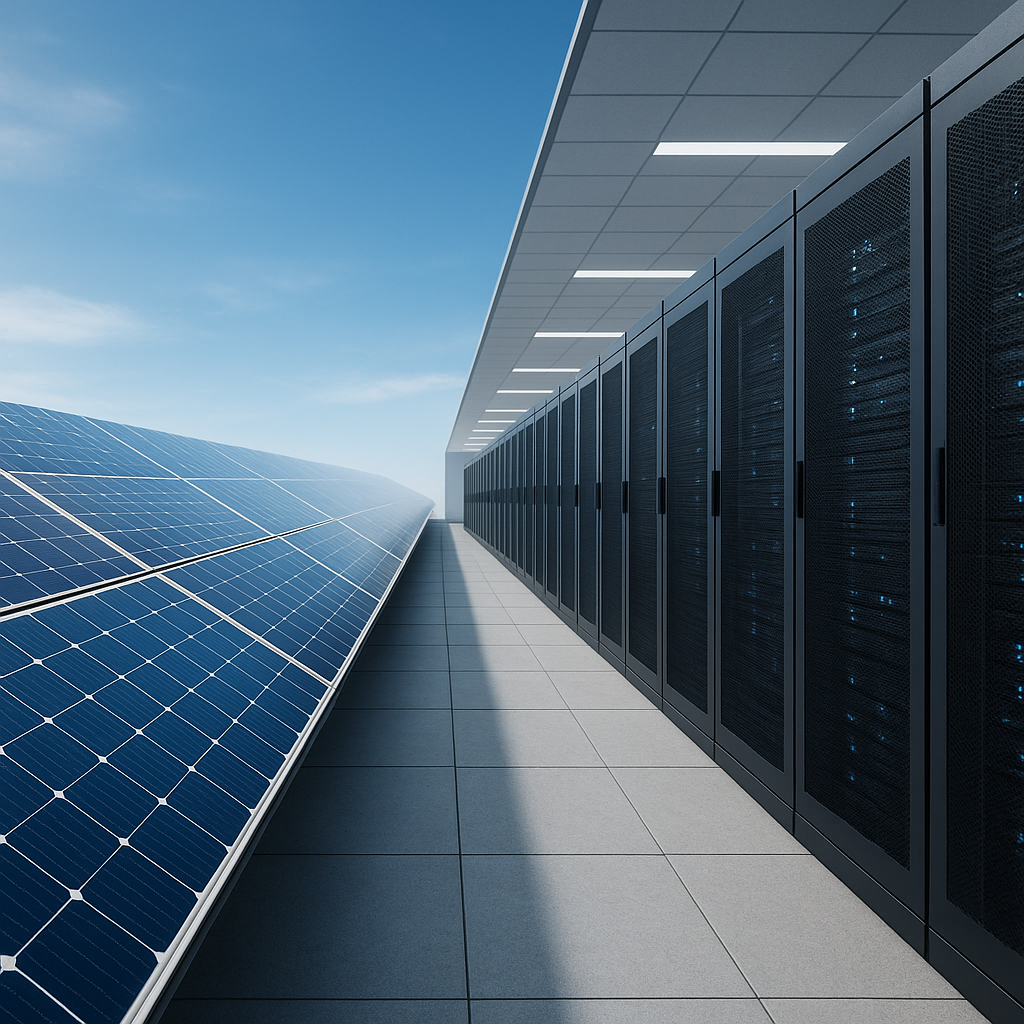
Solar energy is set to become the leading source of power by 2035, driven largely by significant cost reductions and increasing demand from industries, particularly data centers. A recent report from BloombergNEF highlights this trend, indicating that while solar will dominate, the demand from AI data centers will keep fossil fuels in play. In this post, we will explore the implications of these developments for developers and tech companies, including the role of solar energy in powering data infrastructure.
What Is Solar Energy?
Solar energy refers to the power derived from the sun’s radiation, which can be converted into electricity or heat. This renewable energy source is gaining traction due to its decreasing costs and environmental benefits. As per a TechCrunch report, solar energy is projected to become the primary energy source by 2035, driven by advancements in technology and shifts in energy consumption patterns.
Why This Matters Now
The significance of solar energy is underscored by the urgent need for sustainable solutions in the face of climate change. The report from BloombergNEF emphasizes the economic viability of solar energy; costs are expected to drop by 30% over the next decade, making it increasingly attractive compared to fossil fuels. Additionally, the electrification of industries, particularly AI data centers, is expected to drive demand for energy, which solar can supply efficiently. Developers should care about this now as their infrastructure and projects will increasingly depend on renewable energy sources.
Technical Deep Dive
Understanding the mechanics behind solar energy and its integration into data centers is essential for developers. Here are key components and considerations:
- Photovoltaic (PV) Systems: These systems convert sunlight directly into electricity using solar panels. The efficiency and capacity of these systems are continuously improving.
- Grid Integration: Solar energy must be integrated into existing power grids. This involves managing supply and demand, especially with the intermittent nature of solar energy.
- Energy Storage Solutions: Technologies like lithium-ion batteries and emerging long-duration energy storage systems are crucial for balancing supply and demand, especially for data centers that require 24/7 energy availability.
Here’s a simple example of how developers can set up a solar-powered data center using Docker for application deployment:
version: '3.7'

services:
  web:
    image: nginx:latest
    ports:
      - "80:80"
    volumes:
      - ./html:/usr/share/nginx/html
    deploy:
      resources:
        limits:
          cpus: '0.5'
          memory: 512M

  solar:
    image: your-solar-energy-management-image
    environment:
      - SOLAR_OUTPUT=5000 # in watts
    deploy:
      replicas: 1
This configuration outlines a basic deployment of a web server alongside a solar energy management service, illustrating how developers can integrate renewable energy sources into their infrastructure.
Real-World Applications
1. Renewable-Powered Data Centers
Companies like Google and Microsoft are investing heavily in renewable energy to power their data centers. Google’s $1 billion investment in long-duration storage batteries exemplifies this trend.
2. Smart Grids
Smart grids utilize AI and IoT to manage energy distribution efficiently. Integrating solar energy into these grids allows for optimal energy use, especially in high-demand scenarios.
3. Hybrid Renewable Systems
Hybrid systems that combine solar and battery storage are becoming popular. These setups can efficiently balance energy supply during peak and off-peak hours.
4. Electric Vehicle Charging Stations
Solar-powered EV charging stations are ideal for urban environments, providing clean energy for electric vehicles while reducing reliance on fossil fuels.
What This Means for Developers
As solar energy becomes more prevalent, developers must adapt their skills and architectures accordingly. Here are some actionable implications:
- Invest in learning about solar energy systems and how to integrate them into existing infrastructures.
- Familiarize yourself with energy management software and IoT devices that can optimize energy use in real-time.
- Consider hybrid systems when developing new projects, especially those requiring significant energy.
💡 Pro Insight: The shift towards renewable energy, particularly solar, is not just a trend but a necessity. Developers who adapt early to these changes will position themselves as frontrunners in an evolving industry.
Future of Solar Energy (2025–2030)
Looking ahead, the solar energy landscape is poised for substantial growth. By 2030, we can expect:
- Continued cost reductions in solar technology, driven by advancements in manufacturing and economies of scale.
- Increased adoption of energy storage solutions, allowing for more reliable integration of solar energy into power grids.
- Regulatory changes that further incentivize renewable energy adoption, particularly in data-intensive sectors.
Furthermore, the competition between solar and other renewable technologies such as geothermal and nuclear will likely intensify, creating more choices for developers and businesses.
Challenges & Limitations
1. Intermittency of Solar Power
Solar energy production is variable, depending on weather conditions and time of day, which can complicate supply stability.
2. Initial Investment Costs
Although costs are declining, the initial setup for solar energy systems can still be a barrier for some companies.
3. Infrastructure Limitations
Existing grid infrastructure may not be equipped to handle the influx of solar energy, necessitating upgrades and investments.
4. Resource Competition
As solar energy adoption increases, competition for resources like lithium for batteries may rise, potentially driving up costs.
Key Takeaways
- Solar energy is set to become the largest power source by 2035.
- Cost reductions in solar technology are a major driver of this shift.
- Data centers will play a critical role in energy consumption and sourcing.
- Developers must adapt to integrate solar energy into their projects effectively.
- Challenges like intermittency and infrastructure limitations must be addressed.
Frequently Asked Questions
What are the benefits of solar energy?
Solar energy is renewable, reduces carbon emissions, and has decreasing costs, making it a viable alternative to fossil fuels.
How can developers integrate solar energy into their projects?
Developers can use solar energy management systems, hybrid setups, and energy storage solutions to optimize energy use in their projects.
What are the challenges in adopting solar energy?
Challenges include the intermittency of solar power, initial setup costs, and the need for upgraded infrastructure to support solar energy integration.
For more insights into AI and developer news, follow KnowLatest.