
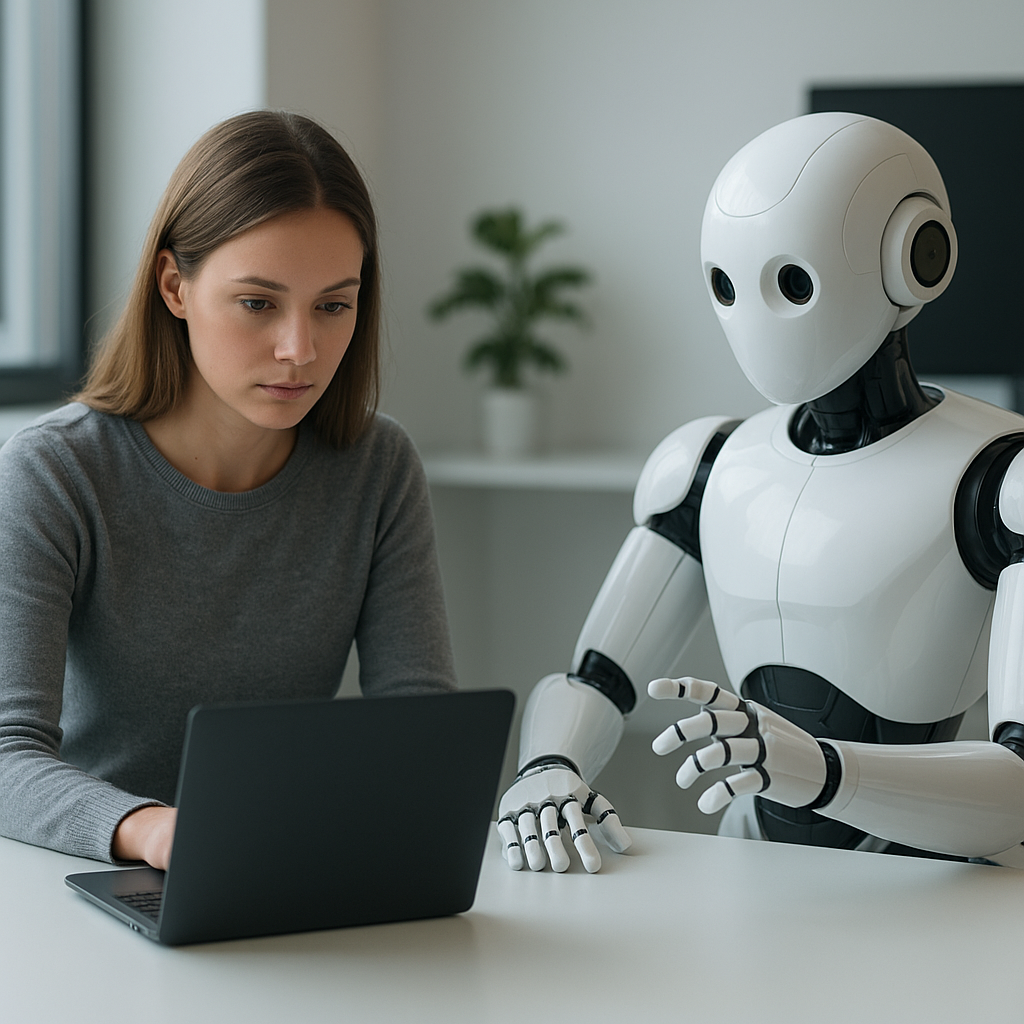
Generative AI in Collaboration: Lessons from Google’s Commercial
Generative AI is a subset of artificial intelligence that focuses on creating new content, such as text, images, and more, based on learned patterns from existing data. Recently, a Google commercial humorously explored this concept by imagining the Founding Fathers utilizing Google Workspace to draft the Declaration of Independence. This post will delve into the implications of generative AI in collaborative writing environments and what developers can learn from this playful portrayal.
What Is Generative AI?
Generative AI refers to algorithms that can generate new content, such as text, images, or even music, based on patterns learned from existing datasets. The recent Google commercial suggests a light-hearted scenario where historical figures utilize modern tools like Google Workspace for collaborative writing. This raises questions about the potential of generative AI in enhancing human creativity and efficiency.
Why This Matters Now
The intersection of AI and writing tools is increasingly relevant as businesses and individuals seek efficiency in content creation. The Google ad humorously highlights how generative AI could change collaborative processes, making them more dynamic and streamlined. This relevance is underscored by trends in remote work and the growing reliance on digital collaboration tools. With platforms like Google Docs, Calendar, and AI enhancements like Gemini, the future of collaborative writing is evolving rapidly, making it essential for developers to understand these advancements.
Technical Deep Dive
To appreciate the potential of generative AI in collaborative environments, let’s explore some underlying technologies and frameworks that enable these innovations.
import openai

# Function to generate text based on a prompt
def generate_text(prompt):
    response = openai.ChatCompletion.create(
        model="gpt-3.5-turbo",
        messages=[{"role": "user", "content": prompt}]
    )
    return response["choices"][0]["message"]["content"]

# Example usage
prompt = "Draft a declaration for independence from a fictional king."
text = generate_text(prompt)
print(text)
This simple Python code snippet demonstrates how developers can leverage OpenAI’s API to generate text based on user-defined prompts. By integrating such functionality into collaborative platforms, teams can brainstorm ideas and create drafts more effectively.
AI in Document Collaboration
Platforms like Google Docs are increasingly incorporating AI features. These include:
- Real-time editing: Teams can collaborate on documents simultaneously, with AI suggesting edits, grammar corrections, and style improvements.
- Contextual suggestions: AI can analyze the document’s context and offer relevant information or references.
- Natural language processing (NLP): Utilizing NLP can enhance search functionality, allowing users to find information quickly.
| Feature | Google Docs | Other Platforms |
|---|---|---|
| AI Draft Suggestions | Yes | Varies |
| Real-time Collaboration | Yes | Yes |
| Version Control | Yes | Limited |
Real-World Applications
1. Content Creation for Marketing
Agencies can utilize generative AI to create engaging content for campaigns, saving time while maintaining creativity. Tools like Jasper and Copy.ai are already making strides in this area.
2. Legal Document Drafting
Legal professionals can employ AI-driven tools to draft contracts or agreements more efficiently, reducing the risk of errors and enhancing productivity.
3. Educational Tools
AI can help educators generate customized learning materials or assessments based on student performance, allowing for a more tailored educational experience.
4. Software Development Documentation
Developers can automate the generation of documentation for APIs or codebases, making it easier for teams to maintain and update technical records.
What This Means for Developers
As generative AI continues to evolve, developers should focus on:
- Integrating AI tools into their workflows to enhance productivity.
- Staying updated on the latest generative AI technologies and frameworks.
- Understanding the ethical implications of AI-generated content and ensuring compliance with regulations.
💡 Pro Insight
💡 Pro Insight: As AI tools become more integrated into collaborative environments, the nature of teamwork will evolve. Developers must adapt to these changes by embracing AI capabilities, but also by addressing the ethical considerations that accompany AI-generated content.
Future of Generative AI (2025–2030)
Looking ahead, generative AI is expected to significantly reshape content creation and collaboration. By 2030, we may see:
- Enhanced Interactivity: AI tools will allow users to interact with content in real-time, creating dynamic documents that adapt based on user input.
- Greater Personalization: AI will tailor content to individual preferences, leading to more relevant and engaging user experiences.
The integration of AI in collaborative writing will not only streamline processes but also change how teams approach content creation, making it more efficient and innovative.
Challenges & Limitations
1. Dependency on AI
Over-reliance on AI tools may stifle creativity and critical thinking, leading to generic outputs rather than innovative ideas.
2. Ethical Dilemmas
The use of AI in content generation raises questions about authorship, accountability, and the potential for misinformation.
3. Technical Barriers
Not all teams have access to the latest AI technologies or the expertise to implement them effectively, creating disparities in capabilities.
4. Quality Control
AI-generated content may require extensive editing to meet quality standards, as it may lack the nuance that human writers provide.
Key Takeaways
- Generative AI is revolutionizing collaborative writing and content creation.
- Understanding the technologies behind generative AI is crucial for developers.
- Real-world applications span across industries, from marketing to education.
- Developers should embrace AI tools while being mindful of ethical considerations.
- The future of generative AI promises enhanced interactivity and personalization in content creation.
Frequently Asked Questions
What is generative AI used for?
Generative AI is used for creating content such as text, images, and music, enabling applications in marketing, legal documents, and educational tools.
How can developers implement generative AI?
Developers can implement generative AI by integrating APIs like OpenAI’s GPT-3 into their applications to automate content creation and enhance user experience.
What are the challenges of using generative AI?
Challenges include dependency on AI, ethical dilemmas regarding authorship, technical barriers in access, and the need for quality control in AI-generated content.
For more insights on AI and developer news, follow KnowLatest.


