
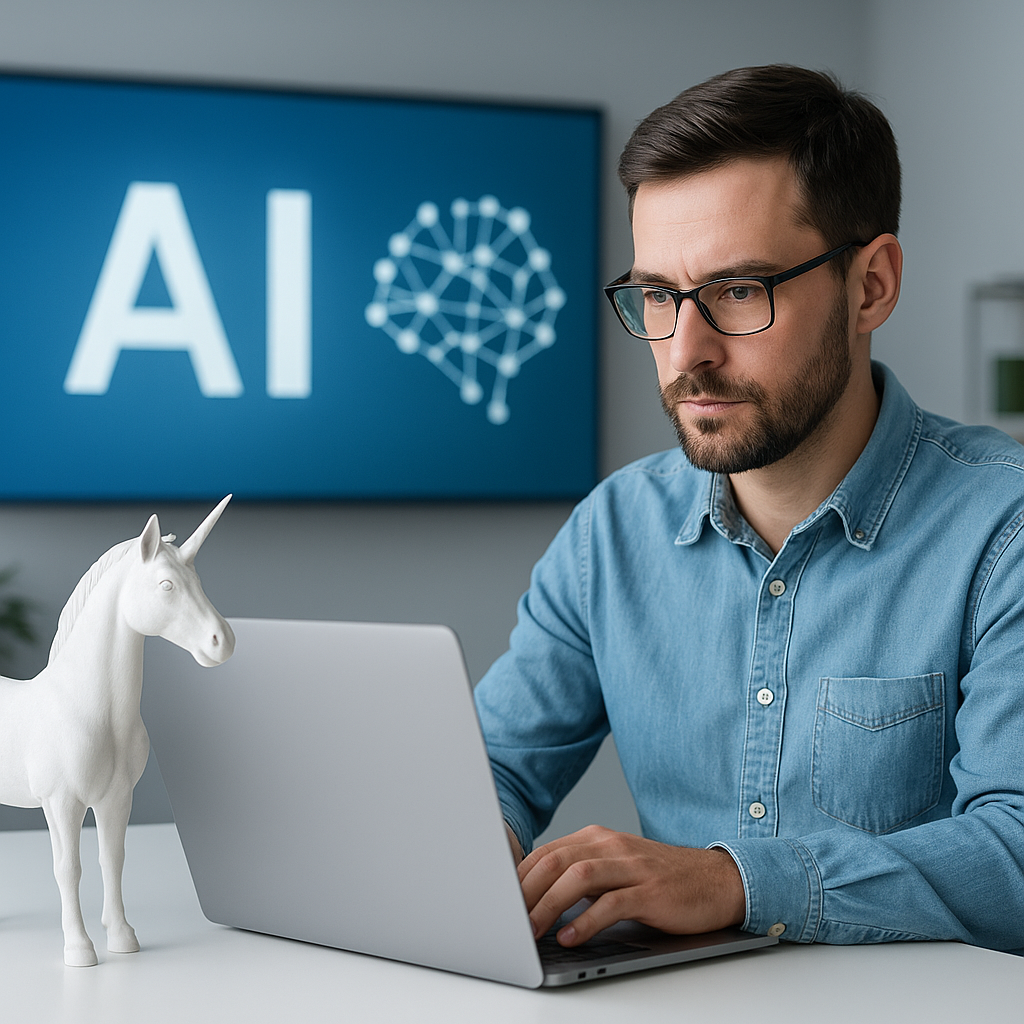
Unicorn Startups and AI: Trends and Implications for Developers
Unicorn startups are privately held companies valued at over $1 billion. In 2026, a surge in AI-driven investment has resulted in the emergence of nearly 90 new unicorns within just the first half of the year. This phenomenon is reshaping various sectors, particularly technology and healthcare. In this post, we will explore the implications of this trend for developers and the technologies driving this growth.
What Is Unicorn Startups?
A unicorn startup refers to a privately held startup company valued at over $1 billion. This term is particularly relevant in the context of technology and innovation, where rapid growth often leads to increased valuations. The recent trend of nearly 90 new unicorns minted in 2026 is largely driven by advancements in artificial intelligence, reflecting a market hungry for innovative solutions.
Why This Matters Now
The current wave of unicorn startups signifies a pivotal moment in the technology landscape. Investors are increasingly drawn to AI-driven companies, not just in technology but also in sectors like healthcare and finance. For instance, the emergence of companies like Vi Labs and Recursive, which leverage AI for operational efficiency, illustrates the potential for significant disruption. Developers should pay attention to this trend as it reflects growing market demands for AI capabilities across industries.
Technical Deep Dive
Understanding the technical underpinnings of these unicorn startups is crucial for developers aiming to navigate this landscape. The following technologies are central to the success of many of these companies:
- Machine Learning Frameworks: Startups like EXA utilize machine learning for web crawling and research. Frameworks like
TensorFlowandPyTorchare essential for developing these algorithms. - Data Analytics: Companies such as Farther leverage big data analytics to enhance wealth management. Tools like
PandasandNumPyare instrumental in processing large datasets efficiently. - Security Protocols: Cybersecurity firms like Socket focus on protecting against supply chain attacks. Implementing robust security measures is crucial, including using
OWASPguidelines for application security.
Machine Learning Implementation Example
import pandas as pd
from sklearn.model_selection import train_test_split
from sklearn.ensemble import RandomForestClassifier

# Load and prepare the dataset
data = pd.read_csv('data.csv')
X = data.drop('target', axis=1)
y = data['target']

# Split the dataset
X_train, X_test, y_train, y_test = train_test_split(X, y, test_size=0.3, random_state=42)

# Train the model
model = RandomForestClassifier()
model.fit(X_train, y_train)

# Evaluate the model
accuracy = model.score(X_test, y_test)
print(f'Model accuracy: {accuracy:.2f}')
Real-World Applications
Healthcare Innovations
Companies like Vi Labs are revolutionizing healthcare by using AI to streamline patient care processes. Their platform automates tasks such as patient identification and operational management, significantly reducing wait times.
Financial Services Transformation
Farther is reshaping wealth management by integrating AI to personalize financial advice. This application of AI helps advisors provide tailored investment strategies, increasing client satisfaction.
Cybersecurity Solutions
Socket focuses on defending against supply chain attacks, a growing concern in the digital age. Their cybersecurity measures are vital for protecting sensitive information across various sectors.
What This Means for Developers
As unicorn startups proliferate, developers need to adapt to emerging technologies. Key skills to focus on include:
- Proficiency in machine learning algorithms and frameworks.
- Data analytics skills, particularly with tools like
PandasandNumPy. - Understanding cybersecurity principles, especially for applications that handle sensitive data.
Investing time in these areas will position developers to contribute effectively to the evolving landscape of unicorn startups.
💡 Pro Insight: As we observe the rapid emergence of unicorns, the integration of AI across sectors will demand a new breed of developer—one who not only understands coding but can also harness AI for innovative solutions. The focus should shift towards building adaptable systems that can evolve with market needs.
Future of Unicorn Startups (2025–2030)
The landscape for unicorn startups is set to evolve significantly in the next five years. With AI technology advancing rapidly, we can expect:
- Increased investment in AI-driven startups across various sectors, leading to more diverse unicorns.
- Greater emphasis on ethical AI practices to address growing concerns about data privacy and security.
- The emergence of new business models leveraging AI to solve complex problems in real time.
These developments will create new opportunities for developers to innovate and advance their skills, particularly in AI and machine learning.
Challenges & Limitations
Market Saturation
The rapid influx of unicorns could lead to market saturation, making it difficult for new entrants to gain traction.
Data Privacy Concerns
The increased use of AI raises significant data privacy issues. Companies must navigate complex regulations to protect user information.
Investment Volatility
The heightened investor interest in AI could lead to volatility, impacting funding stability for startups.
Talent Shortage
As demand for AI expertise grows, a talent shortage may hinder the development of necessary technologies.
Key Takeaways
- Unicorn startups are increasingly driven by advancements in AI technology.
- Developers must focus on skills in machine learning, data analytics, and cybersecurity.
- The landscape for unicorns is likely to evolve with new business models and ethical considerations.
- Challenges such as market saturation and data privacy must be addressed by emerging startups.
- Investment trends indicate a strong future for AI-driven companies across various sectors.
Frequently Asked Questions
What defines a unicorn startup?
A unicorn startup is a privately held company valued at over $1 billion, often characterized by rapid growth and innovation.
Why are so many unicorns emerging in 2026?
The surge in unicorns in 2026 is largely attributed to increased investment in AI technologies, which are seen as transformative across various industries.
How can developers prepare for the future of unicorn startups?
Developers should focus on enhancing their skills in machine learning, data analytics, and cybersecurity to stay relevant in the evolving landscape of unicorn startups.
Stay updated with the latest trends in AI and technology by following KnowLatest for more insights and news.


