
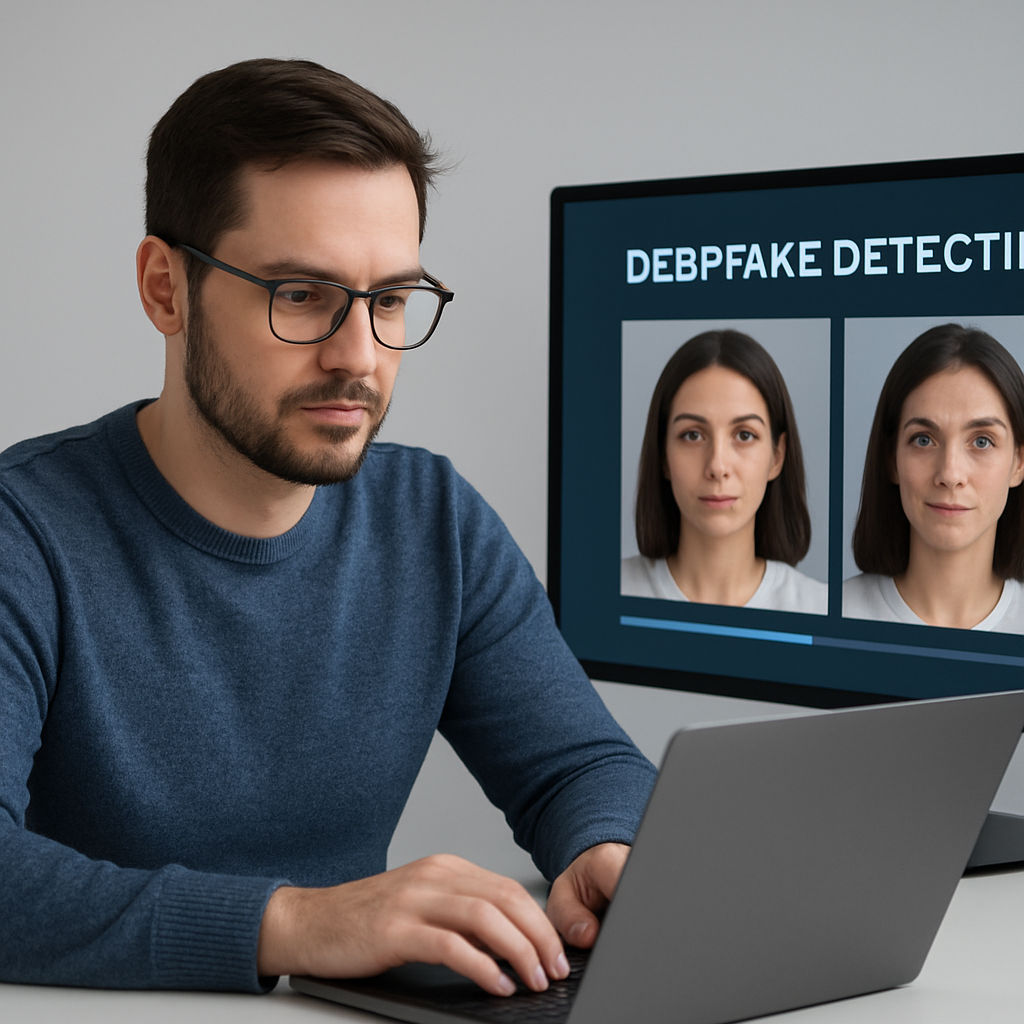
Deepfake Detection: Why It Matters for Developers
Deepfake detection systems refer to technologies designed to identify and authenticate AI-generated images and videos. Recently, Google’s SynthID was instrumental in debunking a viral hoax image of Senator Mitch McConnell, showcasing its effectiveness in combating misinformation. In this post, you’ll learn about the mechanics of deepfake detection and its crucial role in maintaining information integrity.
What Is Deepfake Detection?
Deepfake detection refers to the technology that identifies and analyzes synthetic media, ensuring its authenticity. With advancements in generative AI, such as those seen in Google’s SynthID, the ability to discern real from fake content has become crucial for media integrity, particularly amidst rising misinformation.
Why This Matters Now
The relevance of deepfake detection technology has surged, especially following incidents like the recent hoax image of Senator Mitch McConnell. As misinformation spreads rapidly on platforms like Reddit and X, it becomes essential for developers to understand the implications of deepfake technology. With growing concerns over political misinformation, identity theft, and digital fraud, robust detection systems are critical for maintaining public trust in media.
Technical Deep Dive
Google’s SynthID is a pioneering deepfake detection system that embeds an invisible watermark in images generated by compliant algorithms. Here’s how it works:
- Watermarking: SynthID’s watermark is integrated into the image data, making it imperceptible to the human eye but detectable by the system.
- Image Processing: When an image is processed through a SynthID-compatible model, the watermark can be retrieved, verifying its authenticity.
- Cross-Platform Resilience: The watermark persists even when images are screencaptured or shared across different platforms, ensuring consistent verification.
To illustrate how to implement a basic watermarking system, consider the following Python code snippet using a simplified model:
import numpy as np
from PIL import Image

def embed_watermark(original_image_path, watermark_text):
    # Load the original image
    img = Image.open(original_image_path)
    img_array = np.array(img)

    # Embed watermark
    watermark_array = np.zeros(img_array.shape)
    watermark_array[10:20, 10:20] = 255  # Example watermark

    watermarked_image = img_array + watermark_array
    return Image.fromarray(np.clip(watermarked_image, 0, 255).astype(np.uint8))

# Usage
watermarked_img = embed_watermark('original.jpg', 'My Watermark')
watermarked_img.save('watermarked_image.jpg')
Real-World Applications
1. Media Verification
Organizations like Snopes utilize deepfake detection to verify the authenticity of images and videos, ensuring that misinformation does not spread unchecked.
2. Security and Compliance
Financial institutions can employ deepfake detection to prevent fraud, ensuring that video identities are genuine during banking transactions.
3. Social Media Platforms
Platforms like Facebook and Twitter can integrate deepfake detection technologies to maintain user trust and protect against harmful misinformation.
4. Healthcare Communication
In healthcare, accurate visual information is critical. Deepfake detection can help validate medical imaging and patient data, ensuring that professionals act on reliable information.
What This Means for Developers
Developers should focus on integrating deepfake detection into their applications, especially if they involve user-generated content or sensitive information. Familiarizing themselves with watermarking techniques, algorithms for detecting synthetic media, and ensuring compliance with systems like SynthID will be crucial. Building robust APIs that allow for seamless verification can also enhance user trust and application reliability.
💡 Pro Insight: As the capabilities of generative AI continue to evolve, developers must proactively implement detection systems to counteract the growing threat of misinformation. Fostering partnerships with organizations participating in watermarking initiatives, like Google’s SynthID, can lead to more secure digital environments.
Future of Deepfake Detection (2025–2030)
Looking ahead, the evolution of deepfake detection systems is likely to mirror advancements in generative AI. We can expect:
- Enhanced Algorithms: Future detection systems will likely incorporate machine learning models capable of identifying more sophisticated deepfakes.
- Increased Adoption: As misinformation becomes a more pressing issue, more organizations will adopt deepfake detection technologies to protect their digital assets.
- Interoperability: There will be a push for standard protocols across platforms, allowing for broader usage and acceptance of watermarking systems.
Challenges & Limitations
1. Limited Participation
For effective watermarking, image-generating tools must participate in the program. This limits the scope of SynthID since not all platforms have adopted it.
2. Evasion Techniques
As detection systems improve, so too will evasion techniques used by malicious actors, leading to a constant arms race.
3. User Awareness
Many users remain unaware of deepfake technology and its implications, making it challenging to educate the public on recognizing misinformation.
4. Ethical Concerns
Questions regarding privacy and the ethical use of watermarking technologies can arise, particularly in sensitive contexts.
Key Takeaways
- Deepfake detection technologies like Google’s SynthID play a critical role in combating misinformation.
- Watermarking techniques ensure that AI-generated content can be verified for authenticity.
- Real-world applications span multiple industries, including media, finance, and healthcare.
- Developers should prioritize integrating verification systems in their applications to build user trust.
- Future advancements will likely focus on improved detection algorithms and broader adoption across platforms.
Frequently Asked Questions
What is deepfake technology?
Deepfake technology uses artificial intelligence to create convincing fake images and videos, often making it difficult to distinguish them from real content.
How does watermarking work in deepfake detection?
Watermarking embeds an invisible signature into images that indicates whether they have been generated by a specific AI model, allowing for verification of authenticity.
Why is deepfake detection important?
As misinformation spreads rapidly online, deepfake detection is crucial for maintaining the integrity of media and ensuring that users can trust the content they consume.
To stay updated on the latest developments in AI and technology, follow KnowLatest for more insights and resources.


