
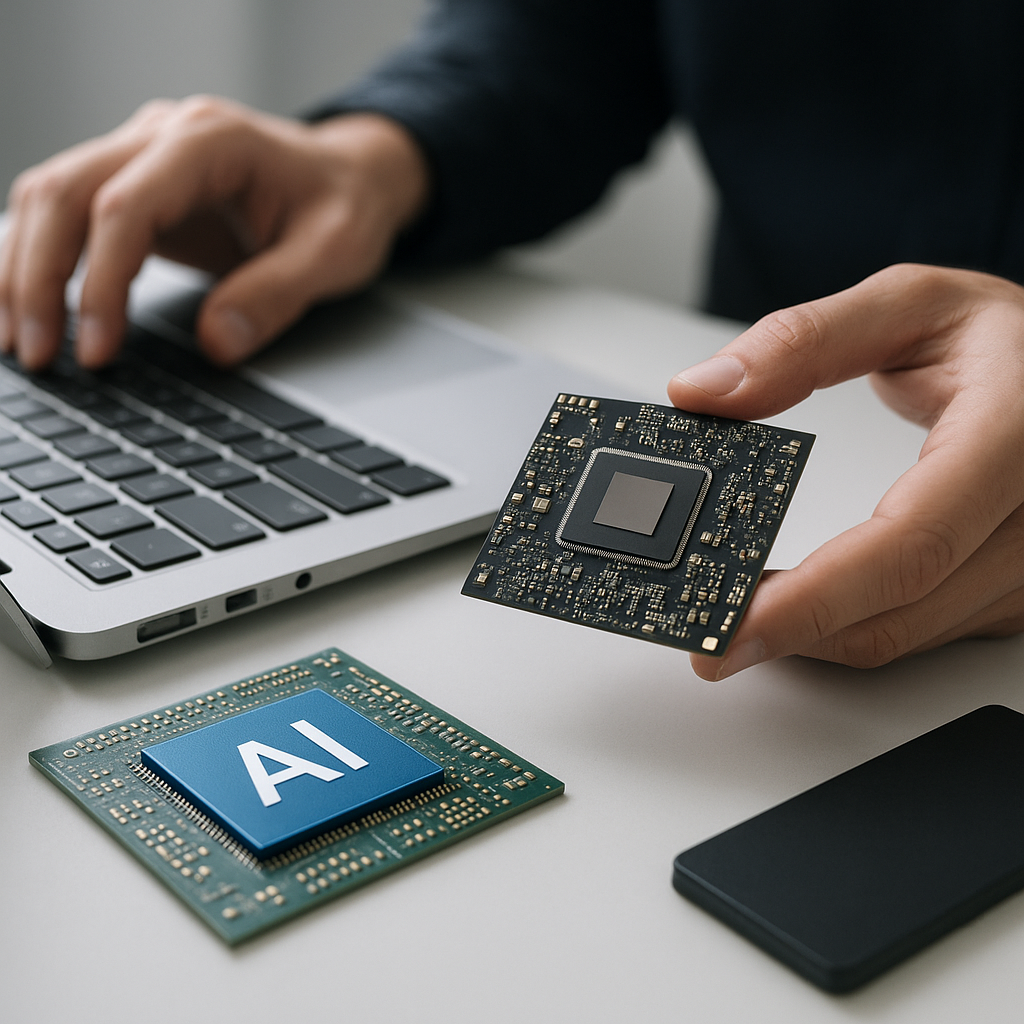
Inference Optimization: ZML/LLMD for AI Chip Performance
AI inference optimization refers to the process of enhancing the performance of AI models during inference, which is crucial for applications requiring real-time responses. Recently, ZML, a French AI startup backed by Turing Award winner Yann LeCun, launched ZML/LLMD, software designed to accelerate inference across diverse AI chips. This post will examine the significance of inference optimization, the technical aspects of ZML/LLMD, and its implications for developers.
What Is Inference Optimization?
Inference optimization is the process of improving the performance and efficiency of AI models during the inference phase, which involves generating predictions based on trained models. This optimization is increasingly significant as the demand for real-time AI applications rises. With the recent launch of ZML/LLMD software, the focus on optimizing inference across multiple AI hardware platforms is becoming a reality, breaking away from vendor lock-in and providing flexibility.
Why This Matters Now
The growing integration of AI into various sectors necessitates faster and more efficient inference capabilities. Traditional models often struggle with performance, especially when leveraging heterogeneous hardware setups. As ZML’s founder Steeve Morin noted, the existing barriers lead to inefficiencies and increased costs, which can deter organizations from fully utilizing AI technologies. With ZML/LLMD, developers can utilize multiple chips—like Nvidia, AMD, Google’s TPU, and others—thereby optimizing costs and energy consumption across AI applications.
This development speaks to broader trends in AI, where reducing the operational costs of AI systems without sacrificing performance is pivotal. The AI industry is witnessing an “inference gold rush,” driving investments and innovations aimed at enhancing performance and reducing latency.
Technical Deep Dive
ZML/LLMD is designed to accelerate inference across a variety of AI chips. This cross-platform capability is achieved through a combination of software optimizations and hardware compatibility strategies. Below are key technical features and methodologies involved in ZML/LLMD:
- Multi-Chip Compatibility: The software is engineered to work with various chips, including Nvidia GPUs, AMD GPUs, Google TPUs, and even Apple Metal. This broad compatibility is essential for enterprises seeking flexibility in hardware choices.
- Performance Optimization: ZML/LLMD employs advanced algorithms for task scheduling and load balancing to ensure efficient resource utilization across the hardware spectrum.
- Memory Management: The software integrates efficient memory management techniques to minimize overhead and maximize throughput, reducing the latency associated with data transfer and model execution.
- Custom Hardware Acceleration: ZML collaborates with emerging chip manufacturers to co-design solutions tailored for specific workloads, ensuring optimal performance across different environments.
For developers looking to implement ZML/LLMD, the following code snippet illustrates how to set up a basic inference server:
import torch
from zml_llmd import InferenceServer

# Initialize the Inference Server
server = InferenceServer(model_path='path/to/model')

# Run inference
input_data = torch.tensor([[1.0, 2.0, 3.0]])
output = server.predict(input_data)
print(output)
This simple example demonstrates initializing the server and running inference with a sample input. The flexibility of ZML/LLMD allows it to adapt to various models and hardware configurations seamlessly.
Real-World Applications
1. Cloud Computing
Cloud providers can leverage ZML/LLMD to optimize inference across their infrastructure, allowing them to offer more competitive pricing and performance levels to clients. By utilizing a mix of chips, cloud services can dynamically adjust resources based on demand.
2. Enterprise AI Solutions
Businesses deploying AI solutions for customer service, finance, or analytics can benefit significantly from the cost savings and efficiency gains provided by ZML/LLMD. This enables faster decision-making processes and real-time data analysis.
3. Edge Computing
Deploying AI models on edge devices requires efficient inference capabilities. ZML/LLMD can optimize these workloads, allowing for low-latency responses in applications like autonomous vehicles or smart IoT devices.
4. Research and Development
AI researchers can utilize ZML/LLMD to experiment with various models and architectures across different hardware setups without being locked into a single vendor’s ecosystem, thus fostering innovation.
What This Means for Developers
Developers should consider the implications of ZML/LLMD on their workflows and projects. Key takeaways include:
- Learning New Tools: Familiarity with ZML/LLMD can provide a competitive edge in developing scalable AI solutions.
- Hardware Flexibility: Understanding how to leverage various chips can help developers optimize performance and reduce costs.
- Collaboration Opportunities: Developers can collaborate with emerging chipmakers to create innovative solutions tailored to specific industries or applications.
💡 Pro Insight: As the demand for AI applications grows, ZML’s approach to breaking hardware silos will likely lead to increased competition among chip manufacturers, fostering innovation and reducing costs across the board.
Future of Inference Optimization (2025–2030)
Looking ahead, the future of inference optimization appears promising. As AI technologies become more prevalent, the demand for faster and more efficient inference will drive innovations in both hardware and software. By 2025, we can expect significant advancements in AI chip architectures, making them more accessible and cost-effective for developers.
Additionally, the trend towards heterogeneous computing environments will continue to grow. Companies will increasingly adopt a mix of chips to optimize performance and energy consumption. By 2030, the landscape could shift towards fully integrated systems where inference optimization is seamless, allowing developers to focus on building applications rather than managing hardware constraints.
Challenges & Limitations
1. Vendor Lock-In
Despite ZML’s efforts to promote flexibility, some enterprises may still face challenges in migrating existing systems to new architectures. This transition can require significant upfront investment in time and resources.
2. Performance Variability
While ZML/LLMD aims to optimize performance across different chips, variability in hardware capabilities can lead to inconsistent results. Developers must account for this when designing applications.
3. Initial Learning Curve
The introduction of new software tools often comes with a learning curve. Developers may need to invest time in understanding ZML/LLMD’s functionalities and best practices to maximize its potential.
4. Long-Term Viability
As ZML is still a relatively new player in the market, its long-term viability remains uncertain. Developers should keep abreast of the company’s trajectory and its impact on the evolving AI landscape.
Key Takeaways
- Inference optimization is critical for real-time AI applications.
- ZML/LLMD enhances flexibility by supporting multiple AI chips.
- Understanding ZML/LLMD can provide developers with a competitive edge.
- Collaboration with chipmakers may lead to innovative solutions in AI.
- Future trends indicate a shift towards heterogeneous computing environments.
Frequently Asked Questions
What is inference optimization?
Inference optimization refers to the techniques and methodologies used to improve the efficiency and speed of AI models during the inference phase, allowing for faster responses and lower operational costs.
Why is ZML/LLMD significant?
ZML/LLMD is significant as it allows for optimized inference across various AI chips, helping organizations reduce costs and avoid vendor lock-in.
How can developers benefit from ZML/LLMD?
Developers can benefit from ZML/LLMD by gaining access to flexible, high-performance inference solutions that enable them to deploy AI applications more effectively across diverse hardware environments.
For more AI and developer news, follow KnowLatest.


