AI Filmmaking: Transforming Production with Technology
AI filmmaking refers to the use of artificial intelligence technologies in the filmmaking process to enhance creativity and streamline production. Recently, Netflix acquired InterPositive, a startup co-founded by Ben Affleck, for $587 million to strengthen its capabilities in this area. In this article, you’ll learn how AI is transforming the filmmaking landscape, the technical details behind it, and the implications for developers and AI practitioners.
What Is AI Filmmaking?
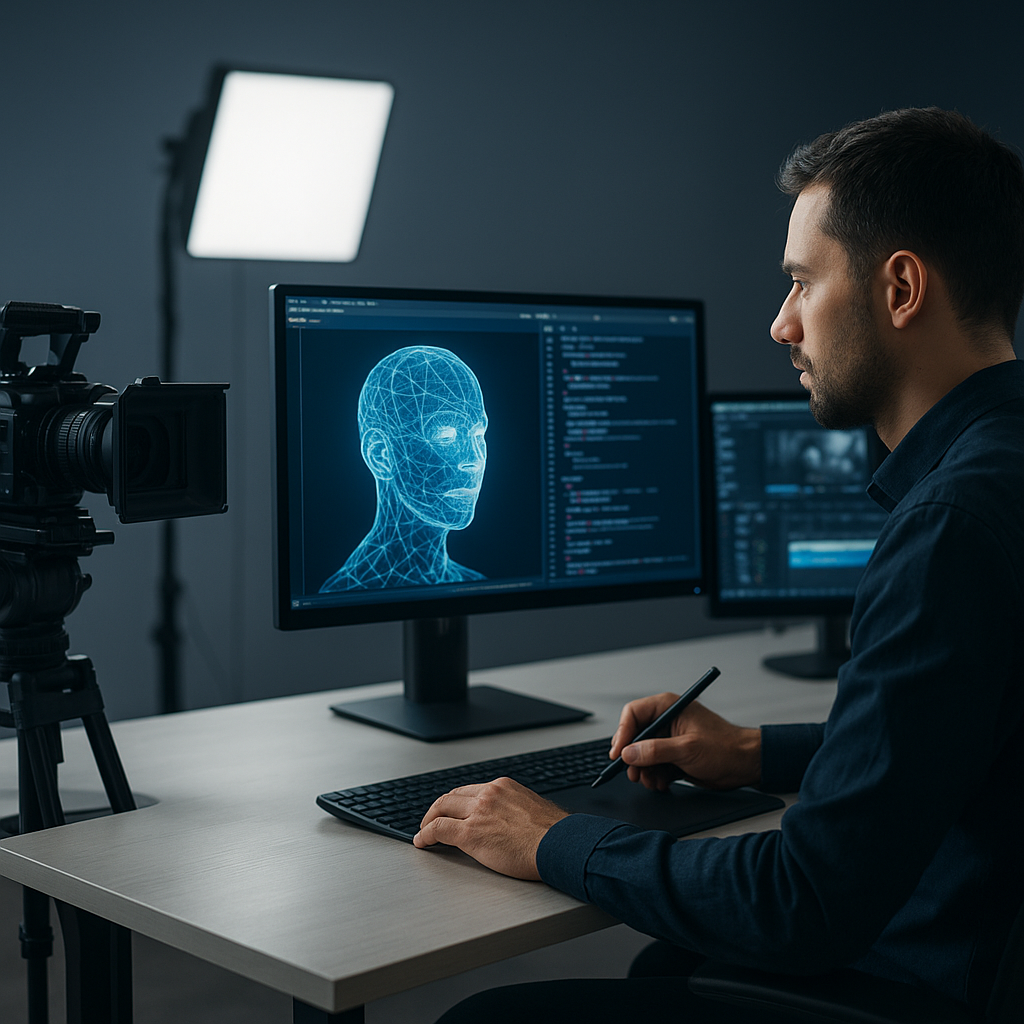
AI filmmaking involves leveraging artificial intelligence to optimize various aspects of the filmmaking process, from pre-production to post-production. This technology can assist in tasks like scene editing, shot selection, and even generating visual effects. With the recent acquisition of InterPositive by Netflix, AI’s role in filmmaking has gained significant attention, emphasizing how it can solve real-world production challenges.
Why This Matters Now
The integration of AI in filmmaking is timely for several reasons. First, the demand for high-quality content has surged, prompting studios to explore innovative methods to enhance production efficiency. The acquisition of InterPositive, which focuses on post-production challenges like missing shots and lighting corrections, highlights the pressing need for AI solutions in the entertainment sector. As Netflix reported that around 300 of its titles have already utilized generative AI, it showcases the growing reliance on AI tools in the industry.
Technical Deep Dive
AI filmmaking technologies primarily revolve around machine learning algorithms that can analyze and manipulate video footage. Here are some key components and methodologies involved:
- Deep Learning: Neural networks are trained on vast datasets of film footage to recognize patterns and generate new content.
- Computer Vision: Algorithms that can analyze video frames to identify objects, lighting conditions, and scene composition.
- Generative Adversarial Networks (GANs): These are used to create realistic visuals by training two neural networks against each other.
Here’s a simple example of how generative AI can be implemented using Python with the tensorflow library:
import tensorflow as tf
from tensorflow.keras import layers

# Create a simple GAN model
def build_generator():
    model = tf.keras.Sequential()
    model.add(layers.Dense(256, activation='relu', input_dim=100))
    model.add(layers.Dense(512, activation='relu'))
    model.add(layers.Dense(1024, activation='relu'))
    model.add(layers.Dense(28 * 28 * 1, activation='tanh'))
    model.add(layers.Reshape((28, 28, 1)))
    return model

generator = build_generator()
generator.summary()
This code snippet outlines a basic structure for a generative model that can be trained to create new images, which could be utilized in various filmmaking scenarios.
Real-World Applications
1. Post-Production Optimization
AI tools can significantly reduce the time and cost associated with post-production. For instance, InterPositive’s technology helps filmmakers address common issues such as missing shots and lighting inconsistencies, making the editing process more efficient.
2. Script Analysis and Generation
AI can analyze existing scripts and suggest improvements or even generate new scripts based on popular themes and patterns, aiding writers in the creative process.
3. Audience Engagement
AI tools can analyze audience preferences and viewing habits to tailor content offerings, ensuring that filmmakers create what viewers are most likely to enjoy.
4. Virtual Production Environments
Using AI-driven virtual sets, filmmakers can create immersive environments without the need for extensive physical sets, reducing production costs and time.
What This Means for Developers
As AI filmmaking continues to evolve, developers should consider enhancing their skill sets in machine learning, particularly in areas like computer vision and natural language processing. Familiarity with frameworks such as TensorFlow and PyTorch will be essential for building AI-driven tools. Additionally, understanding data pipelines and cloud computing can facilitate the integration of AI technologies into existing production workflows.
💡 Pro Insight: As AI technologies become more integrated into the filmmaking process, developers who can bridge the gap between technology and creativity will be in high demand. This presents a unique opportunity for those willing to innovate.
Future of AI Filmmaking (2025–2030)
Looking ahead, the role of AI in filmmaking is expected to grow exponentially. By 2030, we may see AI systems that can autonomously generate entire films, complete with scripts, visuals, and soundtracks. This evolution will not only enhance the creative process but also democratize filmmaking, allowing independent creators to produce high-quality content with limited resources.
Moreover, as consumer preferences shift, AI will likely play a pivotal role in personalizing content delivery, ensuring that viewers receive tailored recommendations based on their unique tastes and behaviors.
Challenges & Limitations
1. Ethical Concerns
The use of AI in filmmaking raises ethical questions about originality and authorship. As AI-generated content becomes more prevalent, the line between human creativity and machine-generated work may blur.
2. Technical Limitations
Despite advancements, AI technologies still face technical limitations, such as difficulties in accurately interpreting complex narratives and emotional depth.
3. Data Privacy Issues
AI systems often require large datasets for training, leading to concerns about data privacy and the responsible use of personal information.
4. Job Displacement
As AI tools become more capable, there is a risk of job displacement in traditional filmmaking roles, prompting discussions about the future of work in the industry.
Key Takeaways
- AI filmmaking leverages machine learning to enhance the creative process.
- Netflix’s acquisition of InterPositive highlights the growing importance of AI in content production.
- Developers should focus on skills in AI, machine learning, and data management to remain competitive.
- Future advancements may lead to fully autonomous AI-generated films.
- Ethical concerns and technical limitations remain significant challenges in AI filmmaking.
Frequently Asked Questions
What is AI filmmaking?
AI filmmaking refers to the integration of artificial intelligence technologies in the filmmaking process, enhancing aspects like editing, visual effects, and script generation.
How does generative AI impact the film industry?
Generative AI can streamline production processes, optimize post-production, and create new content based on existing themes, significantly impacting how films are made.
What are the challenges of using AI in filmmaking?
Challenges include ethical concerns about authorship, technical limitations in understanding complex narratives, data privacy issues, and potential job displacement.
For more insights on AI and technology developments, follow KnowLatest for the latest updates.