AI Filmmaking: Transforming Content Creation with AI
AI filmmaking refers to the use of artificial intelligence technologies to enhance and streamline film production processes. Recent news indicates that Netflix has acquired InterPositive, a startup co-founded by Ben Affleck, for $587 million, highlighting a growing trend in the integration of AI tools in the creative industry. In this article, readers will learn how AI filmmaking is transforming content creation, the technical mechanisms behind it, and its implications for developers and the media industry.
What Is AI Filmmaking?
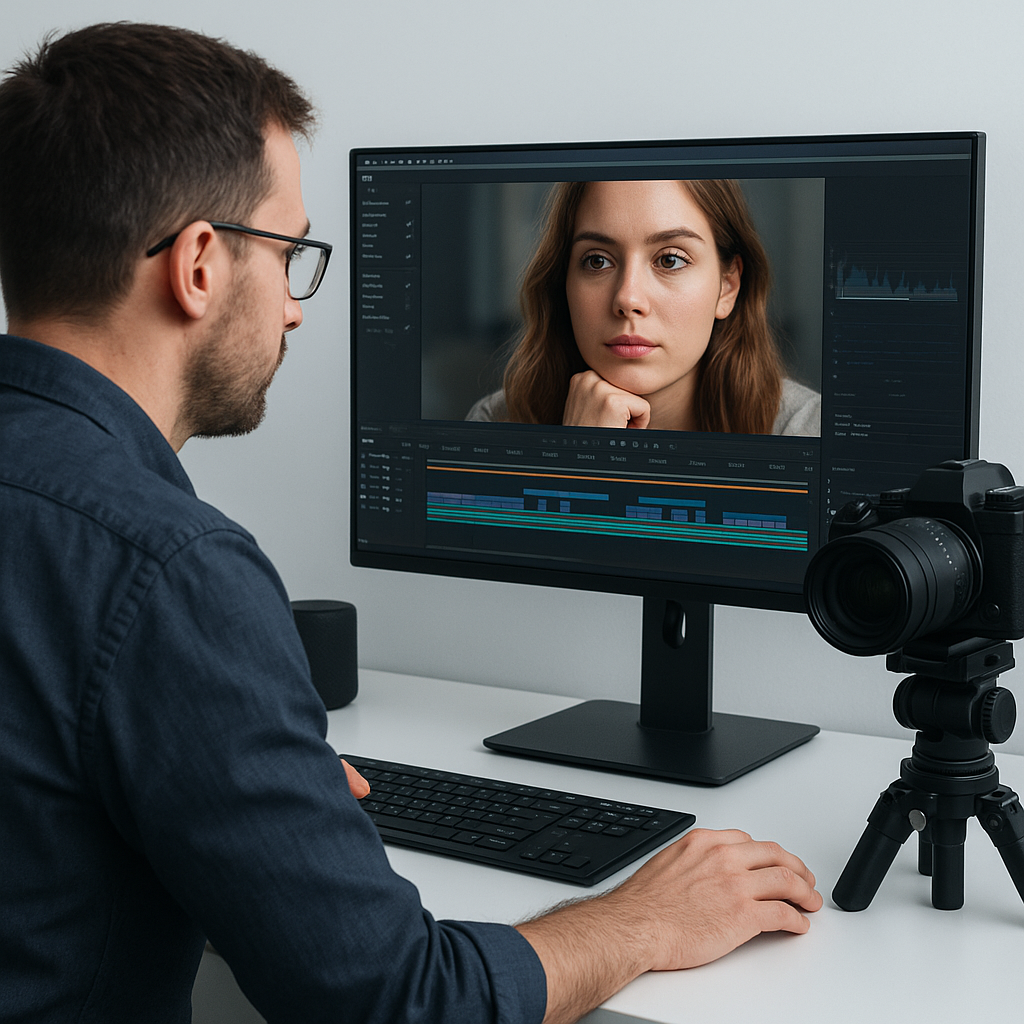
AI filmmaking refers to the application of artificial intelligence technologies in creating, editing, and enhancing films. This includes tools for improving post-production processes, such as correcting lighting issues and filling in missing shots. The integration of AI in filmmaking is becoming crucial as it addresses real-world production challenges, making the creative process more efficient and accessible.
Why This Matters Now
The acquisition of InterPositive by Netflix for $587 million underscores a significant shift in the media industry towards leveraging AI technologies in filmmaking. As streaming platforms increasingly compete for content, the ability to produce high-quality films rapidly and efficiently is paramount. With around 300 titles already utilizing generative AI, the demand for AI filmmaking tools is surging. This trend is driven by the need for enhanced production capabilities, cost-efficiency, and the desire to maintain high creative standards in a competitive landscape.
Technical Deep Dive
Understanding the technical mechanisms behind AI filmmaking is essential for developers interested in this emerging field. AI filmmaking tools typically utilize machine learning algorithms to analyze footage and make real-time adjustments. Here are some key components:
- Image Recognition: AI systems can identify and categorize various elements within a scene, such as lighting, objects, and facial expressions.
- Generative Algorithms: These algorithms can create new content based on existing footage, enabling filmmakers to fill gaps or create special effects.
- Natural Language Processing (NLP): NLP can aid in script analysis and dialogue generation, enhancing storytelling capabilities.
Here’s a sample implementation of a basic AI model that can adjust brightness and contrast in video footage using Python and OpenCV:
import cv2

def adjust_brightness_contrast(image_path, brightness=0, contrast=0):
    image = cv2.imread(image_path)
    # Adjust brightness
    image = cv2.convertScaleAbs(image, alpha=contrast, beta=brightness)
    return image

# Example usage
output_image = adjust_brightness_contrast('input_video_frame.jpg', brightness=50, contrast=1.2)
cv2.imwrite('output_video_frame.jpg', output_image)
This code snippet demonstrates how developers can manipulate image properties to improve visual quality during post-production.
Real-World Applications
1. Film Production
AI tools are being used to automate tasks such as scene recognition and color correction, allowing filmmakers to focus on creative decisions rather than technical details.
2. Post-Production Enhancements
AI can assist in editing by analyzing footage and suggesting cuts, transitions, or even generating synthetic actors for scenes where reshoots are impractical.
3. Interactive Storytelling
Platforms utilizing AI can create dynamic narratives that adapt based on viewer choices, elevating the engagement level of storytelling.
4. Visual Effects
AI algorithms can generate high-quality visual effects in real-time, reducing the need for extensive manual labor in post-production.
What This Means for Developers
For developers, the rise of AI filmmaking represents an opportunity to build innovative tools that cater to the evolving needs of the media industry. Key skills to focus on include:
- Proficiency in machine learning frameworks such as TensorFlow or PyTorch.
- Understanding computer vision techniques for image and video processing.
- Familiarity with cloud computing platforms for scalable AI solutions.
Additionally, developers should explore APIs and SDKs that facilitate AI integration into existing production workflows.
💡 Pro Insight: As AI continues to evolve, we may see a future where filmmakers can generate entire scenes through AI, revolutionizing how stories are told and produced. This shift will require a new set of skills and tools that prioritize collaboration between human creativity and machine efficiency.
Future of AI Filmmaking (2025–2030)
The next five years will likely see significant advancements in AI filmmaking technologies. As algorithms become more sophisticated, developers can expect increased automation in both pre-production and post-production stages. AI tools may not only assist in editing but also aid in scriptwriting and casting decisions based on audience analytics. Moreover, the integration of augmented reality (AR) and virtual reality (VR) into storytelling will push the boundaries of traditional filmmaking, allowing for immersive experiences that engage viewers in unprecedented ways.
By 2030, AI could enable entirely automated filmmaking processes, where machine-generated scripts and performances are commonplace, challenging our understanding of creativity and authorship in the arts.
Challenges & Limitations
1. Ethical Considerations
As AI-generated content becomes more prevalent, questions arise about authorship, copyright, and the ethical implications of AI in creative fields.
2. Quality Control
While AI can enhance efficiency, there is a risk of compromising the artistic quality if not carefully monitored.
3. Skill Gap
Developers and filmmakers may need to undergo significant training to fully leverage AI tools, creating a potential barrier to entry for some.
4. Integration Challenges
Integrating new AI tools into existing production workflows can be complex, requiring tailored solutions that fit specific needs.
Key Takeaways
- AI filmmaking is revolutionizing the media industry by enhancing production efficiency and creative possibilities.
- Netflix’s acquisition of InterPositive highlights the increasing demand for AI tools in film production.
- Developers should focus on machine learning and computer vision skills to capitalize on opportunities in this field.
- Ethical considerations and quality control are critical challenges that need to be addressed as AI becomes more integrated into filmmaking.
- The future of AI in filmmaking could lead to entirely automated processes, reshaping the landscape of creative storytelling.
Frequently Asked Questions
What is AI filmmaking? AI filmmaking refers to the use of artificial intelligence technologies to enhance and streamline various aspects of film production.
How is AI used in post-production? AI tools can analyze and adjust footage, automate editing tasks, and improve visual effects, making the post-production process more efficient.
What skills should developers focus on for AI filmmaking? Developers should focus on machine learning frameworks, computer vision techniques, and cloud computing platforms to build effective AI tools for filmmakers.
For more insights into the evolving landscape of AI and technology, follow KnowLatest for the latest updates.