Smart Glasses and Privacy: Challenges for Developers
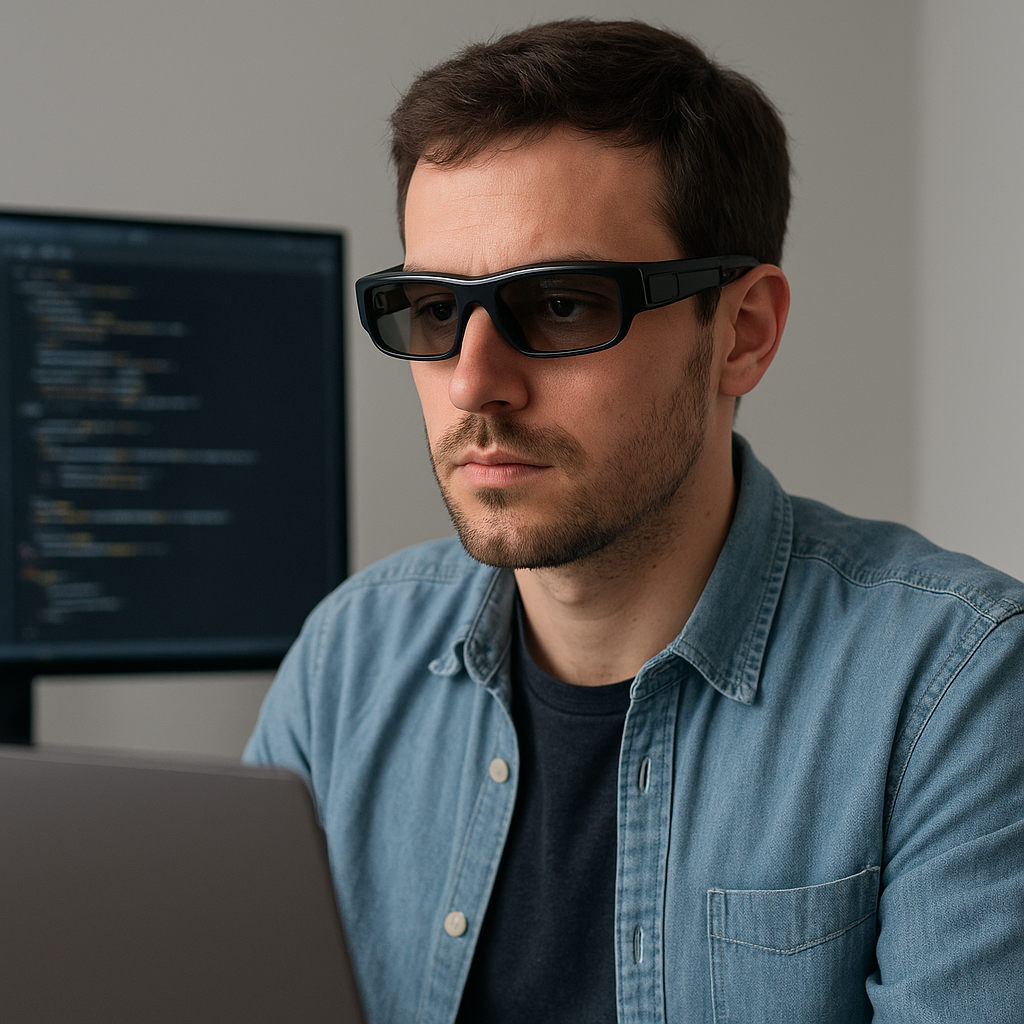
Smart glasses are wearable devices that integrate augmented reality (AR) technology into a user’s field of vision. As Apple prepares to launch its first smart glasses, the company faces significant privacy concerns, particularly regarding user data and surveillance. This article will explore how Apple can navigate these challenges while developing its smart glasses and what implications this has for developers and users alike.
What Are Smart Glasses?
Smart glasses refer to wearable augmented reality devices that overlay digital information onto the real world. These devices can capture images, provide navigation, and display notifications, making them a versatile tool for users. With Apple planning to release its smart glasses, privacy has emerged as a crucial concern, especially in light of previous incidents involving similar technologies.
Why This Matters Now
As Apple aims to launch its smart glasses at the Worldwide Developers Conference in June 2027, the timing is critical. Consumer privacy concerns are at an all-time high, especially after incidents involving other brands’ smart glasses, which have been criticized for enabling non-consensual recordings. This situation highlights the need for developers to understand privacy features integrated into wearable technology, as they will play a significant role in user acceptance and market success.
Moreover, Apple’s emphasis on privacy in its marketing strategy adds pressure to ensure that their smart glasses do not compromise user data. Key secondary keywords include privacy in wearable technology, augmented reality ethics, and consumer data protection.
Technical Deep Dive
To design smart glasses that respect user privacy, Apple could implement several technical features:
- On-Device Processing: By processing data locally on the device, Apple can minimize the need to send user data to external servers. This approach can enhance privacy and performance.
- Facial Recognition Avoidance: Unlike some competitors, Apple is reportedly steering clear of facial recognition technology, which has faced significant backlash.
- Data Minimization Techniques: Limiting the amount of data collected during user interaction can help mitigate privacy risks. For example, rather than recording all user interactions, the glasses could only save data when explicitly authorized by the user.
Here’s a code snippet showing how a simple data processing task might be handled on the device:
def process_user_data(user_input):
    # Simulate local data processing
    processed_data = user_input.lower()
    return processed_data

# Example usage
user_data = "User Interaction Example"
print(process_user_data(user_data))  # Outputs: user interaction example
This approach emphasizes that sensitive data can be processed without external surveillance, aligning with user privacy expectations.
Real-World Applications
Healthcare
Smart glasses can be used in healthcare for hands-free access to patient records during surgeries, enhancing efficiency while ensuring patient data privacy.
Retail
In retail, smart glasses can provide augmented reality experiences, allowing customers to visualize products in their homes without capturing unnecessary data.
Education
Educational institutions can leverage smart glasses for interactive learning experiences, ensuring that student data is processed securely on-device.
What This Means for Developers
Developers must consider the implications of privacy features when building applications for smart glasses. Understanding on-device processing, data minimization, and user consent will be critical skills. Developers should also familiarize themselves with privacy legislation, such as GDPR, to ensure compliance when designing applications that utilize smart glasses technology.
💡 Pro Insight: The success of smart glasses hinges not only on their technological capabilities but also on how well they address privacy concerns. As user awareness and demand for data protection grow, developers must prioritize privacy-by-design principles in their applications.
Future of Smart Glasses (2025–2030)
Looking ahead, the market for smart glasses is expected to expand significantly. By 2025, we may see advancements in battery life and lightweight materials, making smart glasses more comfortable and practical for everyday use. Moreover, as privacy concerns continue to evolve, we can expect regulations to tighten, leading to increased demand for transparency in data handling practices.
By 2030, smart glasses may integrate seamlessly with other smart devices, creating a unified user experience while maintaining rigorous privacy standards. Companies that prioritize user trust through clear communication and ethical data practices will likely lead the market.
Challenges & Limitations
Consumer Trust
Building consumer trust is a significant challenge. Users are often skeptical about how their data will be used, especially with wearable technology that can easily capture sensitive information.
Technological Limitations
Current battery technology and processing capabilities may limit the functionality of smart glasses, affecting user experience and adoption rates.
Regulatory Compliance
Navigating evolving privacy regulations can be complex. Developers must stay updated on legal requirements to ensure compliance and avoid potential penalties.
Key Takeaways
- Smart glasses must prioritize user privacy to gain market acceptance.
- On-device processing can enhance data security and user trust.
- Developers should integrate privacy-by-design principles into applications.
- Understanding regulatory requirements is essential for compliance.
- The future of smart glasses includes advancements in technology and privacy standards.
Frequently Asked Questions
What makes smart glasses a privacy concern?
Smart glasses can capture images and videos, raising concerns about non-consensual recordings and surveillance. This has led to increased scrutiny regarding user data handling.
How can developers ensure privacy in smart glass applications?
Developers can ensure privacy by implementing on-device data processing, minimizing data collection, and clearly communicating data usage policies to users.
What is the future outlook for smart glasses?
The future of smart glasses looks promising, with advancements in technology and a growing emphasis on user privacy expected to drive adoption and innovation.
For more insights and updates on AI and developer news, follow KnowLatest.