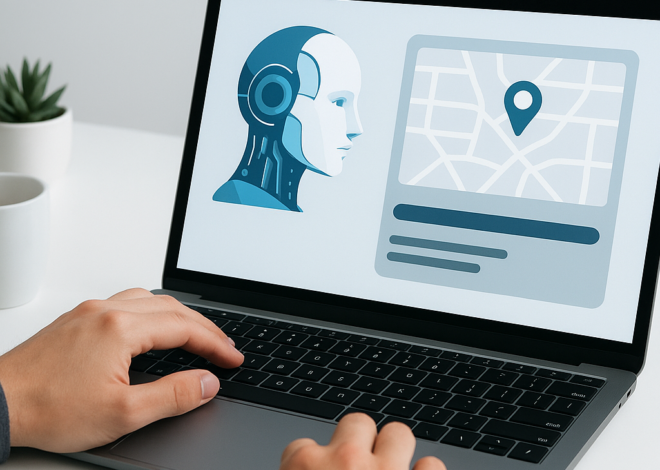

AI Video Chat: Enhancing User Engagement with Avatars
Video chatting with an AI avatar is a fascinating development in the realm of generative AI. Recently, Meta announced that U.S. users can now engage in video calls with their customizable Muse AI avatar. This blog post will explore the underlying technology, practical applications, and implications for developers interested in integrating similar features into their own projects.
What Is AI Video Chat?
AI video chat refers to the technology that enables users to engage in video conversations with an artificial intelligence-driven avatar or agent. This technology combines real-time voice recognition and synthesis with animated visual representations, allowing for personalized interactions. The recent launch by Meta, allowing users to video chat with their Muse AI avatar, exemplifies this trend and highlights the increasing importance of engaging conversational agents.
Why This Matters Now
The advent of AI video chat systems like Meta’s Muse signifies a shift in how users interact with technology. With the rise of remote work, digital communication has become paramount, making such tools essential. As consumers increasingly seek personalized and human-like interactions with AI, features like video chatting become pivotal in enhancing user engagement. This development also ties into broader trends of anthropomorphism in technology, where users feel more connected to digital agents that exhibit human-like traits.
Furthermore, as competition in the generative AI space intensifies, developers must consider how to implement similar features that resonate with users. The capabilities of AI avatars could redefine customer service, education, and entertainment sectors.
Technical Deep Dive
The technical foundation of AI video chat involves several key components:
- Real-time Voice Processing: Utilizing advanced voice recognition technologies, such as
Google Speech-to-TextorAmazon Transcribe, allows the AI to comprehend user inputs in real time. - Generative Adversarial Networks (GANs): GANs can generate realistic avatar animations and facial expressions, creating a more engaging experience for users.
- Natural Language Processing (NLP): Frameworks like
Hugging Face Transformerscan be employed to understand and generate human-like responses, enhancing the conversational aspect of the interaction. - Customization Features: Users can personalize their avatars through a front-end interface, using technologies like
ReactorVue.jsto create a dynamic user experience.
To implement a basic version of an AI video chat system, developers can follow these steps:
- Set up a server to handle voice requests using a framework like
FlaskorDjango. - Integrate real-time voice recognition with a service like
Google Speech-to-Text. - Use an avatar animation library (e.g.,
Three.js) to create an animated avatar that responds to user input. - Implement NLP capabilities using a model from
Hugging Faceto generate responses.
Here’s a minimal code snippet to illustrate how a simple voice recognition request can be set up using Python:
from flask import Flask, request
import speech_recognition as sr

app = Flask(__name__)
recognizer = sr.Recognizer()

@app.route('/recognize', methods=['POST'])
def recognize_audio():
    audio_file = request.files['audio']
    with sr.AudioFile(audio_file) as source:
        audio_data = recognizer.record(source)
        text = recognizer.recognize_google(audio_data)
    return {'recognized_text': text}

if __name__ == '__main__':
    app.run(debug=True)
Real-World Applications
Customer Support
AI avatars can significantly enhance customer support by providing instant assistance and personalized interactions, thus improving overall user satisfaction.
Education
In educational settings, AI video chat can facilitate tutoring sessions, where avatars provide engaging and interactive learning experiences for students.
Healthcare
In telemedicine, AI avatars can serve as preliminary interaction points, helping patients navigate their healthcare needs before connecting with a human professional.
Entertainment
Gaming and virtual environments can leverage AI avatars to create immersive experiences, allowing users to interact with game characters in real-time.
What This Means for Developers
For developers, the rise of AI video chat opens several avenues for innovation. Skills in machine learning, natural language processing, and real-time communication frameworks will be increasingly valuable. Developers should consider integrating similar features into their applications, focusing on user experience and customization options to enhance engagement.
Moreover, understanding the underlying AI technologies will enable developers to create more sophisticated and responsive systems, setting their products apart in a competitive landscape.
💡 Pro Insight: As AI video chat technologies continue to evolve, developers should anticipate a future where personalized AI avatars become essential tools for user interaction across various sectors. Investing in these capabilities now can position developers as leaders in the upcoming wave of AI engagement.
Future of AI Video Chat (2025–2030)
Looking ahead to 2025–2030, AI video chat technology is likely to evolve significantly. We may see greater adoption in various sectors, with enhancements in avatar realism and emotional intelligence. As companies invest in data privacy and ethical AI development, users could benefit from more secure and trustworthy interactions with their avatars.
Moreover, advancements in augmented reality (AR) and virtual reality (VR) could integrate AI video chat into immersive environments, allowing for richer interactions. We could witness a paradigm shift in how humans and AI engage, blending digital and physical experiences seamlessly.
Challenges & Limitations
Privacy Concerns
One of the main challenges with AI video chat is the potential for privacy violations, as these systems may collect sensitive user data. Developers must implement robust security measures to protect user information.
Technical Limitations
Real-time video processing requires significant computational resources, which may limit accessibility for users with less powerful devices.
User Acceptance
Some users may be hesitant to interact with AI avatars due to concerns about their accuracy and reliability. Developers need to focus on building trust through transparency and effective performance.
Integration with Existing Systems
Integrating AI video chat capabilities into existing applications can pose compatibility issues, requiring developers to ensure seamless functionality across platforms.
Key Takeaways
- AI video chat technology enables personalized interactions through animated avatars.
- Real-time voice processing and NLP are critical components of effective AI video chat systems.
- Applications span various industries, including customer support, education, healthcare, and entertainment.
- Developers should focus on enhancing user experience and customization options to stand out.
- Future advancements may integrate AI video chat into AR and VR environments for richer interactions.
Frequently Asked Questions
What are the main technologies behind AI video chat?
AI video chat relies on real-time voice processing, generative adversarial networks for avatar animation, and natural language processing for generating responses.
How can I implement AI video chat in my application?
Developers can set up a server using frameworks like Flask, integrate voice recognition services, and use animation libraries to create interactive avatars.
What industries can benefit from AI video chat?
Industries such as customer support, education, healthcare, and entertainment can leverage AI video chat to enhance user engagement and streamline interactions.
For more insights on AI and developer news, follow KnowLatest.