AI Travel Agents: Transforming Travel Planning
AI travel agents are increasingly becoming essential tools for enhancing the travel planning experience. Airbnb recently announced its plans to launch an AI travel agent in the first half of 2027, aiming to assist travelers with planning trips, managing bookings, and offering continuous support throughout their stay. In this article, we will explore how AI travel agents work, what makes them different from traditional systems, and their implications for developers and businesses in the travel industry.
What Is an AI Travel Agent?
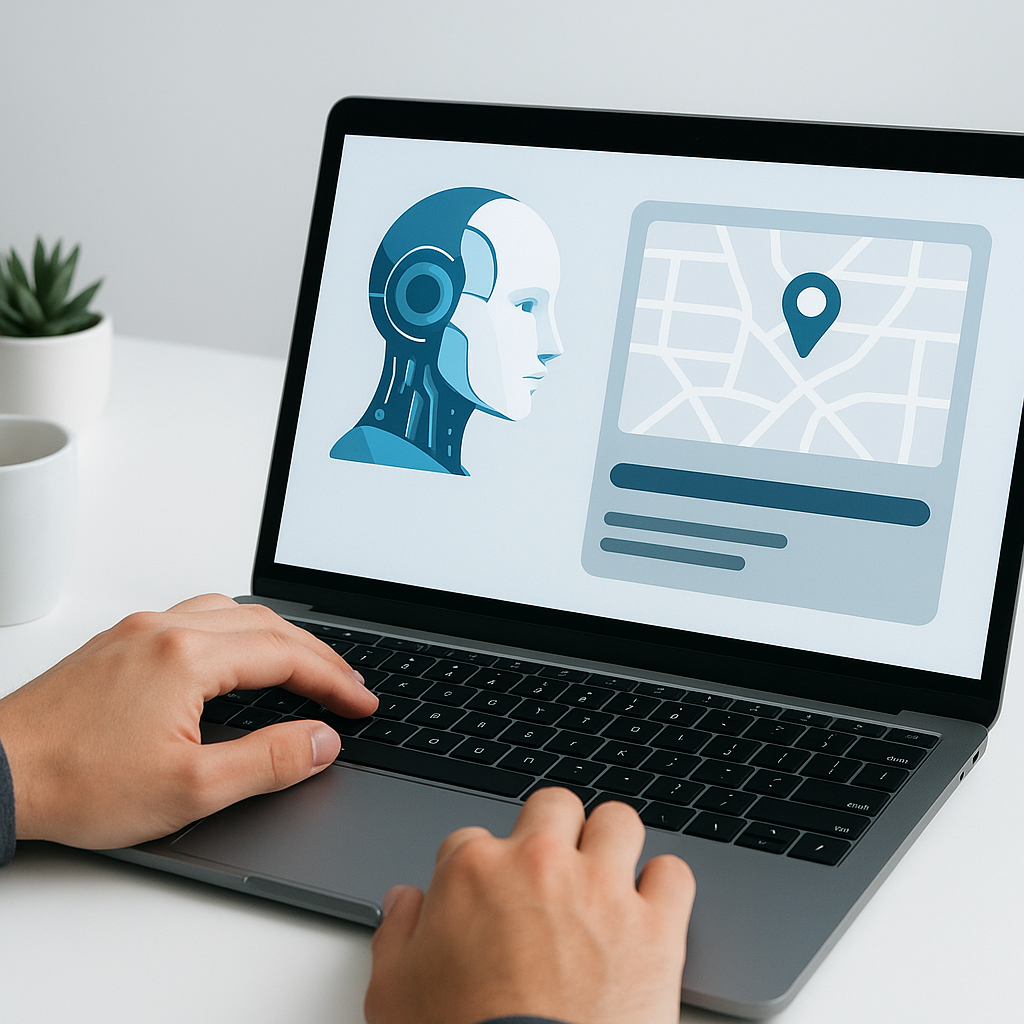
An AI travel agent refers to an intelligent system designed to assist users in planning and managing their travel experiences. Unlike traditional chatbots, which typically focus on simple queries, AI travel agents leverage advanced algorithms to provide personalized recommendations and support throughout the travel journey. Airbnb’s upcoming AI agent is designed to enhance user interaction by utilizing a variety of travel-specific interface components, making the planning process more engaging and less transactional.
Why This Matters Now
The growing demand for personalized travel experiences is reshaping the way travel companies operate. As consumers increasingly seek tailored solutions, generative AI offers a powerful tool for fulfilling these needs. Airbnb’s announcement of an AI travel agent comes at a critical time when many travelers value the planning stage as much as the trip itself. By integrating AI into the travel planning process, companies can enhance user engagement and satisfaction.
Moreover, the trends in the travel industry, such as the rise of digital nomadism and the expectation for seamless service, highlight the necessity for advanced AI solutions. As CEO Brian Chesky notes, traditional chatbots fall short in delivering the nuanced, aspirational experience travelers seek. Instead, an AI travel agent can offer a more immersive interface that resonates with users on a deeper level.
Technical Deep Dive
To understand the mechanics behind AI travel agents, we must consider several components of their architecture. The core functionalities often include:
- Natural Language Processing (NLP): Enables the AI to understand and respond to user inquiries in a conversational manner.
- Recommendation Systems: Uses machine learning algorithms to analyze user preferences and past behaviors to suggest tailored travel options.
- Generative UI: Constructs dynamic interfaces that adapt to user needs, utilizing various components such as maps, itineraries, and comparison tools.
Here’s a simple implementation of a recommendation system using Python and a basic dataset:
import pandas as pd
from sklearn.metrics.pairwise import cosine_similarity

# Sample dataset
data = {'destination': ['Paris', 'New York', 'London', 'Tokyo'],
        'attractions': ['Eiffel Tower, Louvre', 'Statue of Liberty, Central Park',
                       'Big Ben, London Eye', 'Shinjuku Gyoen, Tokyo Tower']}
df = pd.DataFrame(data)

# Function to recommend destinations based on cosine similarity
def recommend(destination):
    similarity_matrix = cosine_similarity(df.attractions.str.split(',').tolist())
    similar_indices = similarity_matrix[df.index[df['destination'] == destination]].argsort()[0][-2:][::-1]
    return df['destination'].iloc[similar_indices]

# Example usage
print(recommend('Paris'))
In this example, we create a simple recommendation function that uses cosine similarity to suggest destinations based on shared attractions. This is a foundational approach that can be expanded with more sophisticated machine learning models.
Real-World Applications
1. Personalized Itineraries
AI travel agents can generate customized itineraries based on user preferences, optimizing travel routes and activities to enhance the overall experience.
2. Dynamic Pricing and Availability
Using real-time data, these agents can provide travelers with up-to-date pricing and availability for accommodations and activities, ensuring informed decisions.
3. Ongoing Trip Support
Beyond initial bookings, AI agents can assist travelers with changes or issues during their trips, such as rebooking accommodations or providing safety information.
4. Enhanced User Engagement
By integrating rich multimedia components like photos and maps, AI agents can create a more interactive planning experience that resonates with users’ aspirations.
What This Means for Developers
For developers, the integration of AI travel agents presents numerous opportunities:
- Skill Development: Familiarity with machine learning frameworks (e.g., TensorFlow, PyTorch) and NLP libraries (e.g., NLTK, SpaCy) will become increasingly valuable.
- API Integration: Developers will need to work with various APIs for data aggregation, such as flight and accommodation APIs, to enhance the functionality of AI agents.
- UI/UX Design: Understanding how to create engaging user interfaces that adapt dynamically to user inputs will be crucial.
💡 Pro Insight
💡 Pro Insight: The development of specialized AI travel agents signals a shift towards hyper-personalization in the travel industry. As the technology matures, we can expect to see AI agents evolve into essential companions that not only assist in planning but also enhance the overall travel experience, making it more intuitive and engaging.
Future of AI Travel Agents (2025–2030)
Looking ahead, the evolution of AI travel agents is poised to transform the travel landscape significantly. By 2030, we can expect these agents to leverage advanced machine learning algorithms capable of real-time decision-making, allowing for seamless travel experiences. Innovations such as augmented reality interfaces may provide users with immersive planning environments, further enhancing the aspirational aspects of travel.
Moreover, as AI agents gather more data on user preferences, they will likely offer increasingly nuanced suggestions that go beyond accommodations and flights, including local experiences and personalized recommendations based on past travels.
Challenges & Limitations
1. Data Privacy Concerns
As AI travel agents rely heavily on user data to provide personalized experiences, ensuring data privacy and security will be a paramount concern. Developers must implement robust data protection measures to build user trust.
2. Over-Reliance on Technology
While AI can enhance the travel experience, over-reliance on technology may diminish the human element that many travelers value. Balancing AI assistance with personal touchpoints is essential.
3. Integration Complexity
Integrating various APIs and data sources poses significant technical challenges. Ensuring smooth interoperability between different systems will require careful planning and robust architecture.
4. User Acceptance
Some travelers may be hesitant to embrace AI solutions, preferring traditional methods of travel planning. Educating users about the benefits of AI agents will be crucial for widespread adoption.
Key Takeaways
- AI travel agents offer personalized experiences by utilizing advanced algorithms and rich multimedia interfaces.
- The integration of AI in travel planning enhances user engagement and satisfaction.
- Developers should focus on building skills related to machine learning, API integration, and UI/UX design.
- Future AI agents are likely to evolve into essential travel companions, offering seamless real-time support.
- Challenges such as data privacy, technology over-reliance, and user acceptance must be addressed for successful implementation.
Frequently Asked Questions
What is an AI travel agent?
An AI travel agent is an intelligent system that assists users in planning and managing their travel experiences through personalized recommendations and support.
How does AI improve the travel planning experience?
AI enhances travel planning by providing tailored suggestions, real-time updates, and dynamic interfaces that engage users throughout their journey.
What are the future trends for AI in travel?
Future trends include hyper-personalization, real-time decision-making, and the integration of augmented reality to enhance the travel planning experience.
For more insights on AI and developer news, follow KnowLatest.