
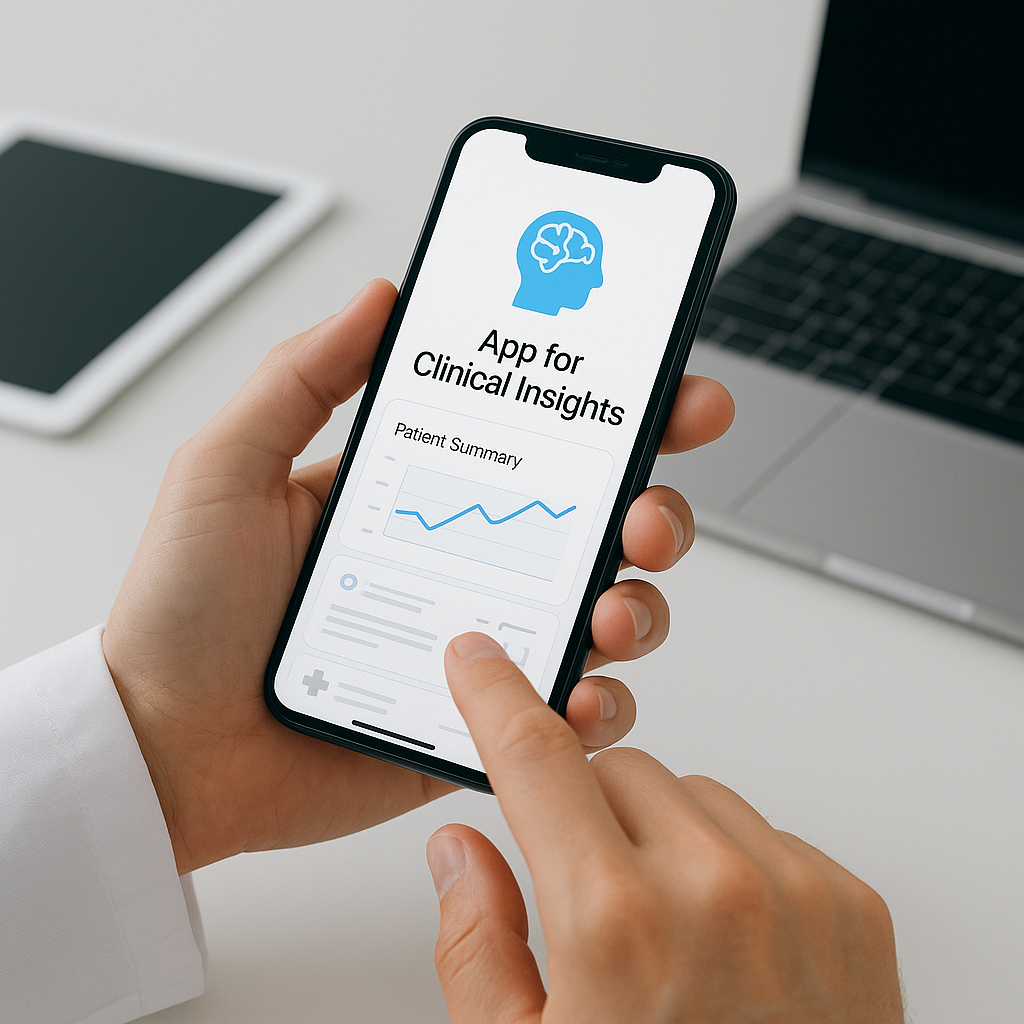
AI in Healthcare: Apple’s App for Clinical Insights
AI in healthcare refers to the application of artificial intelligence technologies to analyze and interpret health-related data. Recently, Apple has launched a new app aimed at studying how people use AI for health purposes, which provides an opportunity to explore the implications of AI-driven health solutions. In this article, you will learn about the app’s functionalities, its significance in the healthcare landscape, and what developers should consider when integrating AI into health applications.
What Is AI in Healthcare?
AI in healthcare refers to the use of artificial intelligence to analyze complex medical data and enhance clinical decision-making. Apple’s new app aims to leverage AI to provide clinically grounded answers to everyday health queries, emphasizing responsible innovation driven by scientific rigor. This approach is particularly important as AI technologies become more integrated into personal health management.
Why This Matters Now
The integration of AI in healthcare is more relevant than ever, especially with increasing public interest and reliance on technological solutions for health-related queries. Apple’s initiative comes at a time when big AI labs are developing chatbots capable of responding to health inquiries. By partnering with OpenEvidence, a healthcare-focused AI company, Apple is emphasizing the need for clinically validated information, which is crucial for maintaining trust in AI applications. Developers should care about this now because understanding how users interact with AI in a health context can shape future applications and improve user experience.
Technical Deep Dive
The architecture of Apple’s new app involves various components that work together to deliver accurate health information. Here’s a breakdown:
- Data Sources: The app utilizes clinical data from reputable sources like The New England Journal of Medicine and the Journal of the American Medical Association.
- User Interaction: Users can input health-related questions similarly to how they would interact with ChatGPT. The app processes these queries and provides answers based on the clinical data it accesses.
- Personalization: Integration with HealthKit allows users to share data such as activity levels and lab results, which helps in tailoring responses to individual health needs.
- Feedback Mechanism: Users can rate the app’s responses, providing valuable insights that contribute to ongoing improvements in AI accuracy.
Here’s a simplified Python example showcasing how a developer might use a query-response model for health-related questions:
import openai

def get_health_answer(question):
    response = openai.ChatCompletion.create(
        model="gpt-3.5-turbo",
        messages=[
            {"role": "user", "content": question}
        ]
    )
    return response['choices'][0]['message']['content']

user_question = "What are the symptoms of diabetes?"
answer = get_health_answer(user_question)
print(answer)
This code snippet demonstrates how a developer can leverage OpenAI’s API to create a simple health question-answering system. It showcases the potential for AI to provide personalized health information based on user inquiries.
Real-World Applications
1. Telemedicine
AI-driven health applications can enhance telemedicine services by providing real-time health advice and preliminary assessments, improving patient outcomes.
2. Patient Support Systems
Integrating AI into patient support systems can help manage chronic conditions by offering personalized health insights and reminders based on real-time data.
3. Clinical Decision Support
AI can assist healthcare professionals by providing evidence-based recommendations and alerts based on patient data, improving decision-making processes.
What This Means for Developers
Developers should focus on creating AI solutions that prioritize data security and user privacy, especially in healthcare settings. Understanding clinical guidelines and regulatory requirements will be crucial when developing AI applications for health. Key areas to explore include:
- Data anonymization techniques to protect user privacy.
- Integration with existing healthcare systems and standards.
- Building user-friendly interfaces that facilitate interaction with AI technologies.
💡 Pro Insight: As healthcare continues to embrace AI, developers must ensure that their solutions not only provide accurate information but also enhance the overall patient experience. The emphasis on clinical grounding will set a new standard for AI applications in health.
Future of AI in Healthcare (2025–2030)
Looking ahead, the role of AI in healthcare is expected to expand significantly. By 2030, we may see AI systems that can autonomously conduct preliminary health assessments and provide tailored care plans based on a patient’s history and preferences. Additionally, advancements in natural language processing will likely improve the quality of AI-generated health advice, making it more accessible to the general public.
Moreover, regulatory frameworks are expected to evolve, providing clearer guidelines for developers on how to build and deploy AI in healthcare responsibly. This will open doors for innovative applications that maintain user trust while harnessing the power of AI for better health outcomes.
Challenges & Limitations
Data Privacy Concerns
One of the primary challenges in developing AI for healthcare is ensuring data privacy. Regulations such as HIPAA must be adhered to, requiring developers to take stringent measures to protect sensitive health information.
Algorithmic Bias
AI systems can inadvertently reinforce biases present in training data, leading to unequal health outcomes. Developers must actively work to identify and mitigate these biases in their algorithms.
Integration with Legacy Systems
Healthcare providers often use legacy systems that may not easily integrate with new AI solutions. This can hinder the deployment and adoption of AI technologies in clinical settings.
User Trust and Acceptance
For AI to be effective in healthcare, users must trust the technology. Developers need to focus on transparency and provide clear explanations of how AI-driven decisions are made.
Key Takeaways
- AI in healthcare is increasingly focusing on providing clinically grounded answers to user inquiries.
- Apple’s new app exemplifies the potential for AI to enhance personal health management.
- Developers should prioritize user privacy and data security when creating health-related applications.
- Understanding regulatory requirements is crucial for deploying AI technologies in healthcare.
- The future of AI in healthcare is promising, with potential advancements in autonomous health assessments.
Frequently Asked Questions
What are the key benefits of using AI in healthcare?
AI can enhance diagnostic accuracy, streamline administrative processes, and provide personalized patient care based on real-time data analysis.
How does Apple’s new app ensure data privacy?
The app anonymizes user data before sending it to third-party cloud providers and deletes query and response data after 24 hours, ensuring user privacy.
What should developers prioritize when creating AI health applications?
Developers should focus on data security, compliance with regulations, and user-friendly interfaces to foster trust and engagement with AI technologies.
To stay updated on the latest developments in AI and technology, follow KnowLatest for more insightful articles.