
AI for Health: Understanding Apple’s New Study App
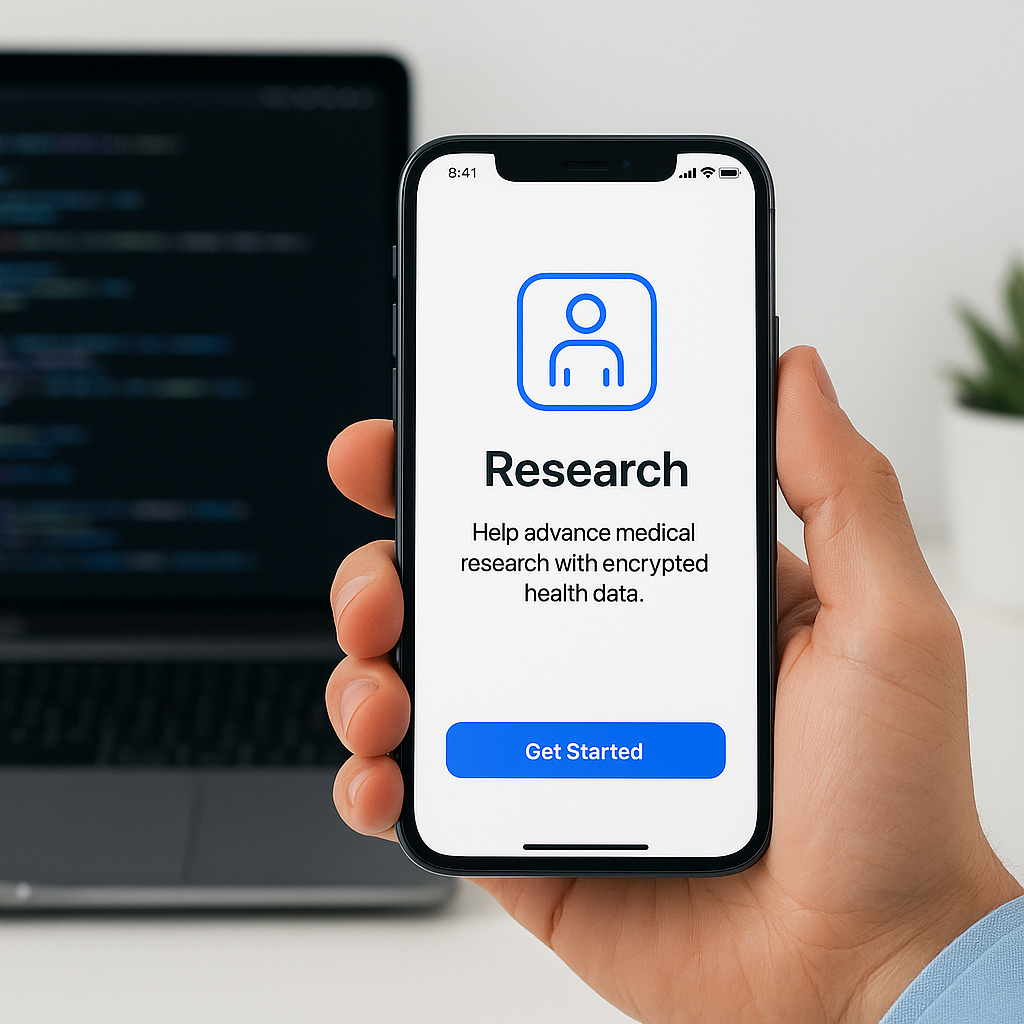
AI for health refers to the application of artificial intelligence technologies to assist with medical inquiries and support health-related decision-making. Recently, Apple has launched a new app designed to study how people use AI for health, aiming to provide clinically grounded answers to everyday medical questions. In this article, we will explore how this app works, its implications for developers, and the future of AI in healthcare.
What Is AI for Health?
AI for health refers to the integration of artificial intelligence technologies into healthcare systems to enhance patient care and health-related decision-making. This can include chatbots or applications that answer medical queries based on clinical data. Apple’s recent initiative highlights the growing importance of using AI to provide accurate, grounded, and personalized health information to users.
Why This Matters Now
The healthcare industry is increasingly turning to AI to improve patient interactions and streamline medical inquiries. Apple’s new app aims to gather insights on how users engage with AI in health contexts, a critical step towards ensuring that AI technologies are both effective and trustworthy. As AI tools like ChatGPT and Claude have gained popularity, understanding user interactions with these technologies is essential for improving health outcomes. This initiative reflects a broader trend of incorporating AI in healthcare, driven by the need for reliable and accessible medical information.
Technical Deep Dive
The new app, developed in partnership with OpenEvidence, allows participants to pose health-related questions. It pulls answers from clinically validated sources, including journals like The New England Journal of Medicine and The Journal of the American Medical Association. Here’s a closer look at how it works:
- User Engagement: Users can submit health queries, similar to how they would interact with existing AI chatbots.
- Data Sources: Answers are based on curated clinical data, ensuring that responses are grounded in scientific research.
- Feedback Mechanism: Users can rate answers and provide feedback, which is vital for refining AI responses.
- Personalization: Participants can share data from HealthKit, allowing the app to offer tailored suggestions based on individual health metrics.
In terms of implementation, developers should consider the following steps when integrating such AI systems into health applications:
- Define clear objectives for AI use in health.
- Ensure compliance with health data regulations (e.g., HIPAA).
- Utilize machine learning models that have been validated on clinical datasets.
- Incorporate user feedback loops to continually improve output accuracy.
Real-World Applications
Personal Health Assistants
AI can power apps that provide users with personalized health advice based on their unique health data, improving their engagement and adherence to health regimens.
Symptom Checkers
Applications can utilize AI to help users assess their symptoms and direct them to appropriate healthcare resources, thus enhancing triage processes.
Medication Management
AI tools can assist in reminding users about medication schedules and provide information on drug interactions, ensuring better health outcomes.
Health Research
Researchers can leverage AI tools to analyze large datasets, identifying trends and insights that can lead to improved healthcare strategies.
What This Means for Developers
Developers should focus on building AI solutions that are user-centric and clinically validated. Skills in machine learning, data analysis, and user experience design are becoming increasingly important. Moreover, understanding health data regulations will be crucial in ensuring compliance and fostering user trust. Developers should also consider integrating feedback mechanisms, allowing continuous improvement of AI models based on real-world usage.
💡 Pro Insight: “As AI technologies continue to evolve, the challenge will be ensuring that they remain reliable and trustworthy, particularly in the sensitive area of health. Developers must prioritize scientific rigor in their implementations.” – Sumbul Desai, M.D., Vice President of Health and Fitness at Apple.
Future of AI for Health (2025–2030)
In the coming years, we can expect significant advancements in AI for health. The integration of AI in healthcare will likely become more pervasive, with applications moving beyond simple query-response systems to comprehensive health management tools. As these technologies evolve, we may see AI systems capable of real-time health monitoring and predictive analytics, enabling proactive healthcare interventions.
Moreover, as user data becomes more integrated and anonymized, AI systems will provide increasingly personalized health insights. This could lead to a paradigm shift in healthcare delivery, making it more responsive to individual needs.
Challenges & Limitations
Data Privacy Concerns
With the collection of sensitive health data, there are significant concerns regarding privacy and data security. Developers must implement robust measures to ensure compliance and protect user data.
Model Bias
AI models trained on biased datasets can lead to inequities in health recommendations. Continuous monitoring and validation are necessary to minimize these risks.
User Trust
Establishing trust in AI systems is crucial for user adoption. Transparency in how these systems work and how data is used will be essential.
Regulatory Challenges
Navigating the complex regulatory landscape in healthcare can be challenging for developers, requiring ongoing education and adjustment to comply with evolving regulations.
Key Takeaways
- AI for health is an emerging field focused on enhancing patient care through technology.
- Apple’s new app aims to study user interactions with health-related AI systems.
- Key features of the app include personalized health advice and a feedback mechanism for continuous improvement.
- Developers must prioritize compliance and user trust when implementing AI solutions in healthcare.
- Future advancements will likely lead to more personalized and proactive healthcare delivery systems.
Frequently Asked Questions
What is AI for health?
AI for health encompasses the use of artificial intelligence technologies to enhance healthcare services, providing accurate medical information and personalized health advice.
How does Apple’s new app work?
Apple’s app allows users to ask health-related questions and receive answers based on clinical data, with features for user feedback and data sharing from HealthKit.
What are the challenges of using AI in healthcare?
Key challenges include data privacy concerns, model bias, user trust, and navigating regulatory complexities.
Stay updated with the latest developments in AI and technology by following KnowLatest for more insightful content.