Open-Source Voice Models: Cohere’s Transcribe Insights
“`html
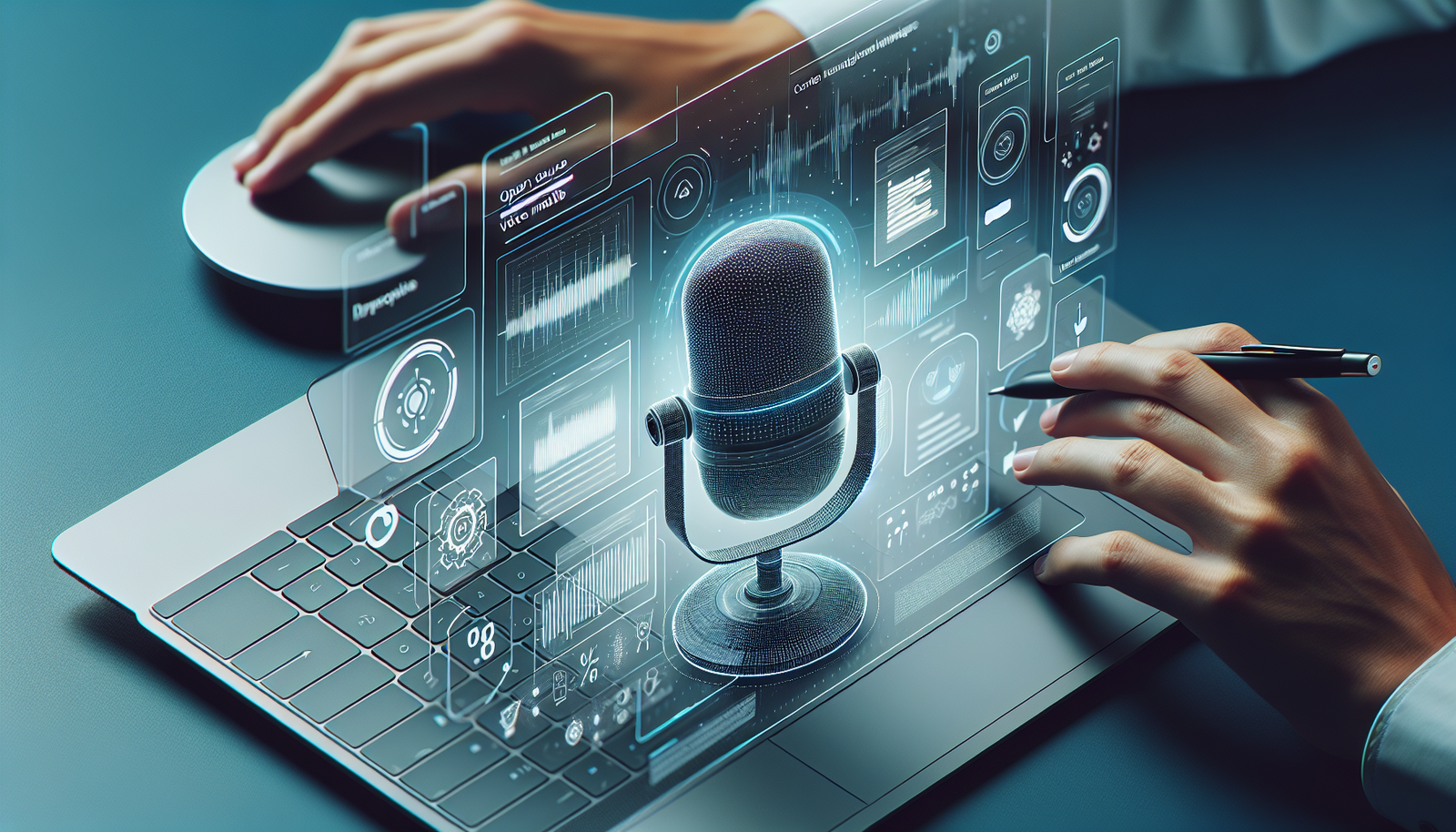
Open-source voice models refer to automatic speech recognition systems that developers can freely use and modify. Recently, Cohere launched its open-source voice model, Transcribe, specifically designed for transcription tasks. In this post, you will learn about the technical specifications, practical applications, and the implications of this model for developers.
What Is Open-Source Voice Models?
Open-source voice models are automatic speech recognition (ASR) systems that developers can access, modify, and deploy for various applications, such as transcription and voice commands. These models are especially important in enabling developers to create tailored solutions without incurring high licensing costs. With the recent launch of Cohere’s Transcribe model, which supports 14 languages and is designed for consumer-grade GPUs, the landscape of voice recognition tools is evolving rapidly.
Why This Matters Now
The growing demand for efficient and accessible transcription solutions has made open-source voice models increasingly relevant. As more organizations adopt remote work and digital communication tools, the need for high-quality transcription services has surged. The launch of Cohere’s Transcribe model, which boasts a word error rate (WER) of 5.42 and has proven to outperform several competitors, addresses this crucial need. Developers striving to integrate ASR capabilities into applications can leverage this model to reduce costs and enhance user experience.
Technical Deep Dive
Cohere’s Transcribe model is built with 2 billion parameters, making it relatively lightweight for deployment on consumer-grade GPUs. This accessibility allows developers to self-host the model, providing flexibility in how they utilize it. Below are key specifications and features of the Transcribe model:
| Feature | Description |
|---|---|
| Parameters | 2 billion |
| Supported Languages | English, French, German, Italian, Spanish, Portuguese, Greek, Dutch, Polish, Chinese, Japanese, Korean, Vietnamese, Arabic |
| Word Error Rate (WER) | 5.42 |
| Audio Processing Speed | 525 minutes of audio processed per minute |
Additionally, Cohere has indicated that Transcribe will be integrated into its enterprise agent orchestration platform, North, and made available through its API for free. This gives developers multiple avenues to access and implement the model in their applications.
Real-World Applications
1. Note-Taking Applications
Developers can integrate the Transcribe model into note-taking applications, enabling users to record meetings and generate transcripts automatically. This can streamline workflows in industries like education and corporate environments.
2. Speech Analytics
Transcribe can be utilized in call centers for speech analytics, helping organizations analyze customer interactions to improve service quality and operational efficiency.
3. Language Learning Tools
The model’s support for multiple languages makes it an excellent candidate for language learning applications, allowing learners to practice pronunciation and receive instant feedback.
4. Accessibility Tools
Integration into accessibility applications can empower users with hearing impairments by providing real-time captions for various audio content.
What This Means for Developers
The launch of Cohere’s Transcribe model presents significant opportunities for developers looking to enhance their applications with ASR capabilities:
- Cost-Effective Solutions: Developers can leverage the open-source nature of Transcribe to avoid licensing fees associated with proprietary models.
- Customization: The model can be adjusted and fine-tuned to meet specific user needs, allowing for tailored solutions in various industries.
- Integration Flexibility: With its API availability, developers can easily integrate Transcribe into existing applications or build new ones from scratch.
- Performance Optimization: Developers can deploy the model on consumer-grade GPUs, making it feasible to implement ASR in low-resource environments.
💡 Pro Insight: As the demand for transcription services continues to rise, the introduction of models like Cohere’s Transcribe will likely set new benchmarks for accuracy and flexibility, especially as developers explore innovative use cases across various sectors.
Future of Open-Source Voice Models (2025–2030)
Looking ahead, the landscape of open-source voice models is poised for significant advancements. As machine learning techniques continue to evolve, we can expect improvements in accuracy, processing speed, and multilingual support. By 2025, models may incorporate more robust contextual understanding and be able to handle complex speech patterns, including accents and dialects.
Furthermore, increased collaboration within the open-source community will likely lead to accelerated development and optimization of these voice models. As companies recognize the value of community-driven projects, we could see a surge in contributions that enhance functionality and usability, making open-source voice models even more appealing for developers.
Challenges & Limitations
1. Language Limitations
Despite supporting 14 languages, Cohere’s Transcribe model has shown weaker performance in certain languages like Portuguese, German, and Spanish. This limitation could hinder its effectiveness in multilingual contexts.
2. Resource Requirements
While designed for consumer-grade GPUs, the model may still require significant computational resources for real-time transcription at scale, potentially limiting its applicability for some developers.
3. Accuracy Concerns
The average word error rate of 5.42 is competitive, but there may be scenarios where transcription accuracy falls short, particularly in noisy environments or with heavy accents.
4. Continuous Learning Needs
To remain competitive, the model will need regular updates and training on diverse datasets to adapt to evolving language usage and slang, which can be a resource-intensive process.
Key Takeaways
- Cohere’s Transcribe is an open-source voice model designed for transcription tasks with a competitive word error rate of 5.42.
- The model supports 14 languages and is accessible for deployment on consumer-grade GPUs.
- Practical applications include note-taking, speech analytics, language learning, and accessibility tools.
- Developers can leverage the model’s open-source nature for cost-effective and customizable solutions.
- Future advancements may lead to improved accuracy and performance in handling diverse speech patterns and languages.
Frequently Asked Questions
What are open-source voice models?
Open-source voice models are automatic speech recognition systems that developers can access and modify freely, allowing for tailored applications without licensing costs.
How accurate is Cohere’s Transcribe model?
The Transcribe model has an average word error rate of 5.42, making it competitive among existing transcription solutions.
What applications can benefit from using open-source voice models?
Applications such as note-taking, speech analytics, language learning, and accessibility tools can greatly benefit from open-source voice models like Transcribe.
For more updates on AI tools and developer resources, follow KnowLatest.