AI-Generated Responses in WhatsApp: What Developers Need to Know
“`html
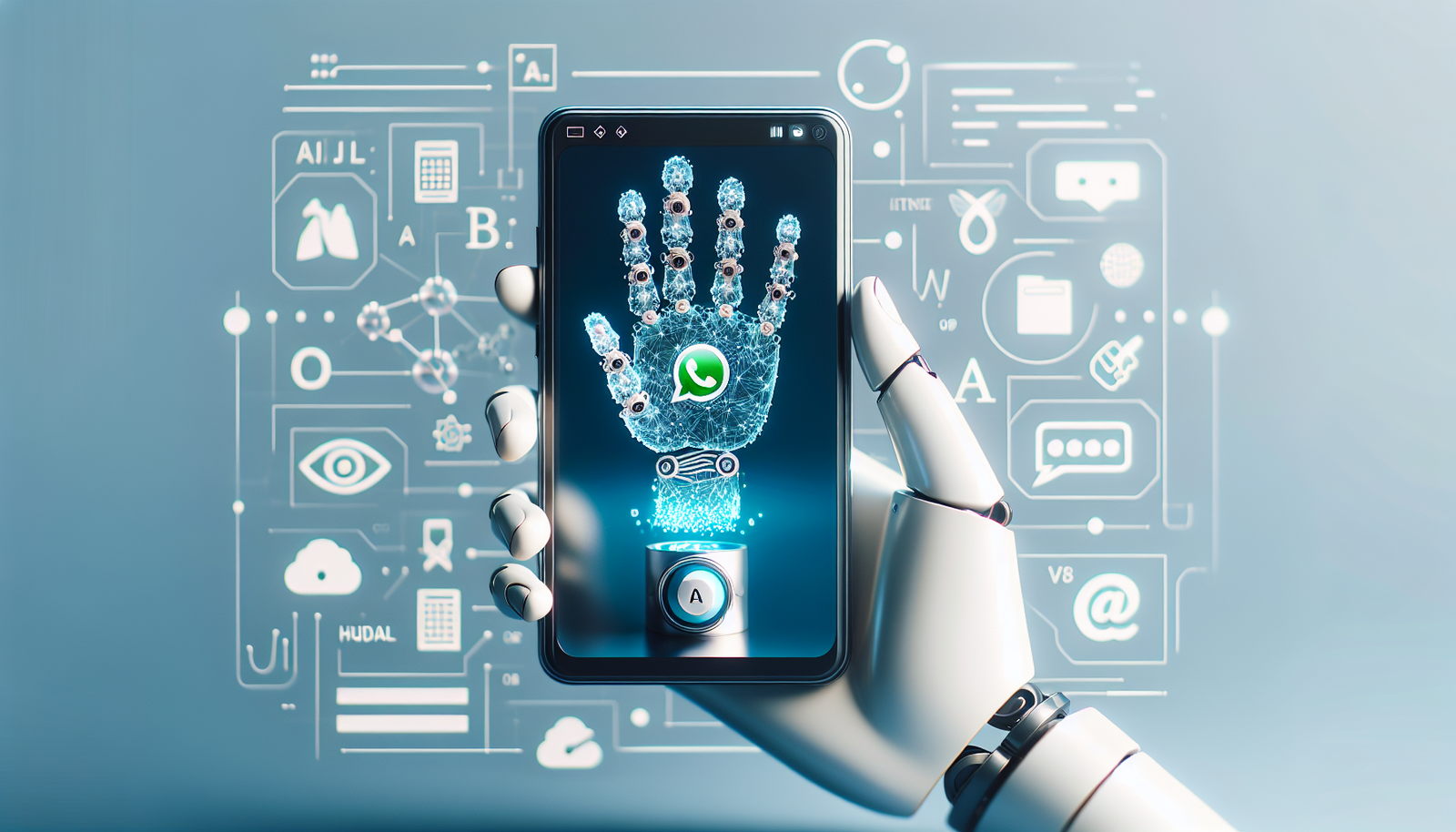
AI-generated responses refer to automated replies crafted by artificial intelligence based on user inputs and context. Recently, WhatsApp has introduced a feature to draft these AI-generated responses, enhancing user conversations. In this post, developers will learn about the implications of this feature, its underlying technology, and how it may influence user interaction and app development.
What Is AI-Generated Responses?
AI-generated responses refer to automated content created by artificial intelligence systems to assist users in drafting replies based on previous conversations and context. This technology is increasingly important as messaging platforms like WhatsApp integrate AI features to enhance user engagement and streamline communication.
Why This Matters Now
The introduction of AI-generated responses in WhatsApp comes at a time when personalized communication is vital for maintaining user engagement. As Meta continues to innovate, this feature aims to keep users within the app rather than relying on external tools like ChatGPT for assistance. Developers should care about this shift because it opens up new avenues for integrating AI into user interactions while enhancing the overall user experience.
Technical Deep Dive
The underlying architecture of AI-generated responses typically relies on large language models (LLMs) that analyze conversation context to provide relevant suggestions. Here’s how the feature works in detail:
- Data Collection: The system collects user messages to build context. This data is anonymized to maintain privacy.
- Natural Language Processing (NLP): AI employs NLP to understand the sentiment and intent behind user messages.
- Response Generation: Using models like
GPT-3or similar, the AI crafts responses that align with the user’s conversational style. - User Interface Integration: Users can access this feature through the chat interface by selecting the AI suggestion button next to the text entry field.
Here’s a simple example of how you might implement a basic AI response generator using Python with the transformers library:
from transformers import pipeline

# Load the model
generator = pipeline('text-generation', model='gpt2')

# Function to generate response
def generate_response(user_input):
    response = generator(user_input, max_length=50, num_return_sequences=1)
    return response[0]['generated_text']

# Example usage
user_message = "What do you think about AI in messaging?"
print(generate_response(user_message))
This snippet showcases a basic AI response generator that developers can extend for more complex interactions.
Real-World Applications
1. Customer Support
AI-generated responses can significantly enhance customer support operations by providing instant replies to common queries, thus freeing up human agents for more complex issues.
2. E-commerce
In e-commerce chats, AI can suggest products based on user conversations, improving the shopping experience and potentially increasing sales.
3. Social Media Management
For businesses managing their social media accounts, AI-generated responses can help maintain engagement with followers by replying to comments or messages instantly.
4. Personal Assistants
AI-generated responses can be integrated into personal assistant applications to help users manage their daily tasks through conversational interfaces.
What This Means for Developers
Developers should consider the following implications:
- Skill Development: Familiarity with AI and NLP technologies is becoming increasingly important.
- API Integrations: Integrating AI features into existing applications through APIs can enhance functionality and user experience.
- User Experience Design: Understanding how to create intuitive interfaces that leverage AI suggestions will be crucial for maximizing user engagement.
💡 Pro Insight: As AI technologies evolve, the ability to seamlessly integrate AI-generated responses into communication platforms will set apart developers who can create personalized user experiences from those who cannot.
Future of AI-Generated Responses (2025–2030)
Looking ahead, AI-generated responses are expected to become more sophisticated, with enhanced personalization features that tailor suggestions based on user behavior and preferences. By 2030, we may see:
- Greater integration of multimodal AI, allowing users to communicate via text, voice, and image in a seamless manner.
- Increased adoption of AI ethics frameworks to ensure user privacy and data security.
- The potential for AI to facilitate more complex interactions, such as negotiating or mediating discussions in group chats.
Challenges & Limitations
1. Privacy Concerns
As with any AI feature, privacy remains a significant concern. Users may be hesitant to share their conversations, even if data is anonymized. Developers must ensure robust privacy measures are in place.
2. Miscommunication
AI may misunderstand context or nuances, leading to inappropriate suggestions. Continuous training and refinement of models will be necessary to mitigate this risk.
3. User Acceptance
Some users may prefer authentic communication over AI-generated responses, which could limit adoption. Balancing AI suggestions with user preferences is crucial.
4. Dependency on Technology
Heavy reliance on AI for communication may lead to a decline in human interaction skills. Developers should create features that encourage meaningful conversations alongside AI assistance.
Key Takeaways
- AI-generated responses enhance communication by providing context-aware suggestions.
- Integrating AI into messaging platforms can improve user engagement but raises privacy concerns.
- Understanding user preferences is crucial for the successful adoption of AI features.
- Developers should focus on ethical AI practices to ensure user data protection.
- Future advancements may lead to more sophisticated and personalized AI communication tools.
Frequently Asked Questions
What are AI-generated responses?
AI-generated responses are automated replies crafted by artificial intelligence based on user input and conversation context, enhancing communication efficiency.
How does WhatsApp’s AI-generated response feature work?
WhatsApp’s feature utilizes natural language processing and machine learning to analyze user messages and suggest contextually relevant replies.
What are the benefits of using AI-generated responses?
Benefits include improved user engagement, faster response times, and the ability to handle common queries without human intervention.
What challenges do AI-generated responses face?
Challenges include privacy concerns, the risk of miscommunication, user acceptance, and potential over-reliance on technology for communication.
For the latest updates on AI technologies and developer resources, follow KnowLatest.