
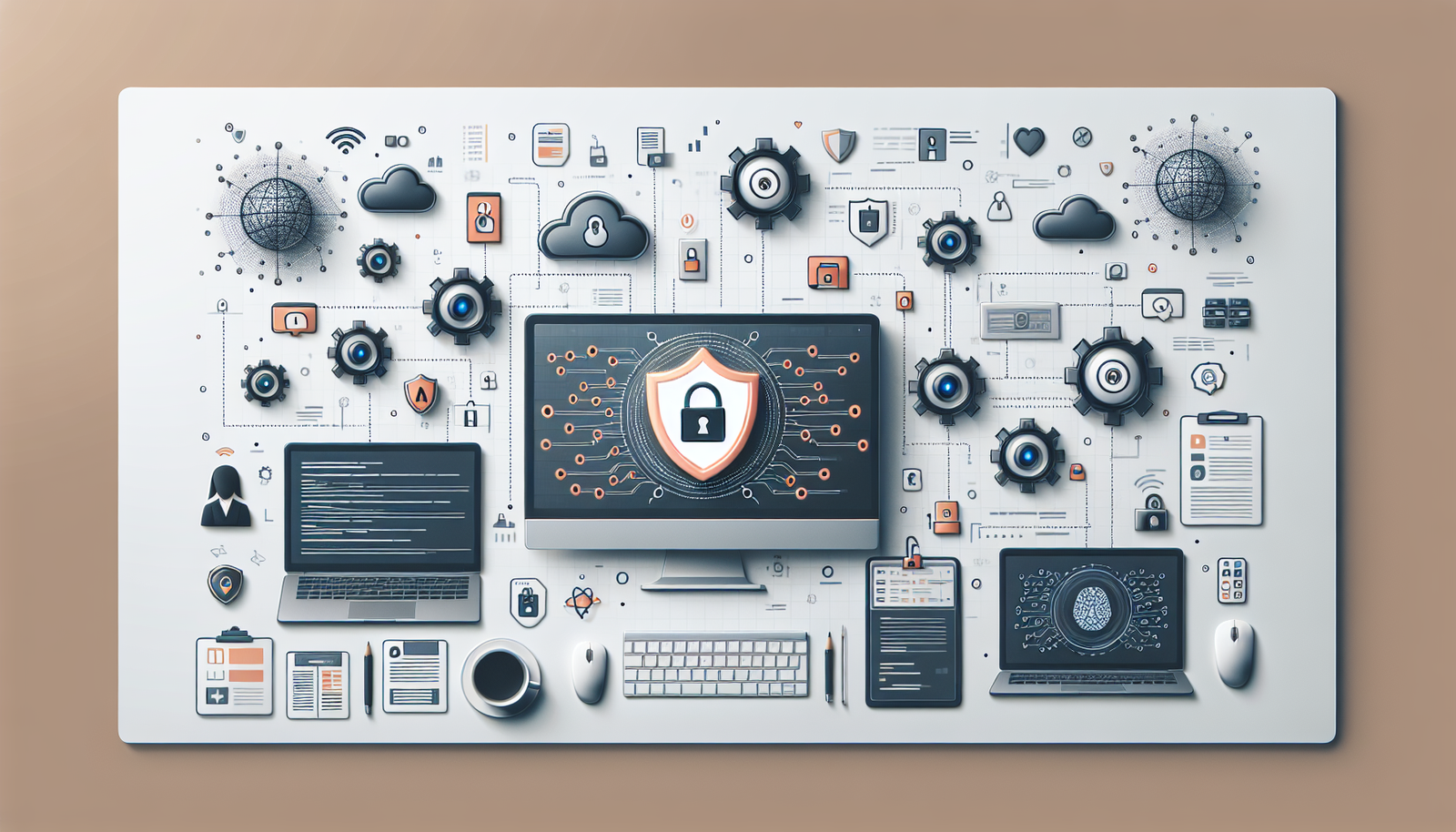
AI Agent Security: Enhancements in OpenAI’s SDK
“`html
OpenAI’s updated Agents SDK refers to a set of tools designed to help enterprises create AI agents that can operate safely and effectively. Recently, the toolkit has been enhanced to support the growing demand for agentic AI solutions. This post will explore the new capabilities of the SDK, the challenges it addresses, and practical applications for developers.
What Is AI Agent Security?
AI agent security refers to the protocols and measures taken to ensure that AI agents operate safely and predictably within defined boundaries. This concept is becoming increasingly important as more enterprises adopt agentic AI solutions, which can sometimes behave unpredictably. Recent updates from OpenAI’s Agents SDK emphasize the need for enhanced security measures, as they provide developers with tools to create safer AI agents by leveraging sandbox environments.
Why This Matters Now
The recent update to OpenAI’s Agents SDK highlights a critical shift in the AI landscape, where enterprises are increasingly focusing on safety and control over their AI implementations. With the rise of agentic AI technologies, businesses face new challenges around security and predictability. The integration of sandboxing capabilities allows AI agents to function in isolated environments, which is essential for maintaining operational integrity and preventing unwanted behaviors.
As companies like OpenAI continue to refine their tools, developers must prioritize understanding AI agent security to ensure that their solutions are not only effective but also safe. The new capabilities in the SDK can help mitigate risks associated with deploying AI agents in uncontrolled environments.
Technical Deep Dive
The latest version of OpenAI’s Agents SDK introduces several key features aimed at improving the security and functionality of AI agents. Here are some of the most important enhancements:
- Sandboxing Capability: This feature allows AI agents to operate in controlled environments, minimizing the risk of unintended actions that could compromise system security.
- In-Distribution Harness: This component enables agents to interact with pre-approved tools and files, providing a safer framework for executing complex tasks.
- Long-Horizon Tasks Support: The SDK now facilitates the creation of agents that can handle complex, multi-step workflows, making it suitable for more sophisticated applications.
To illustrate how these features can be implemented, consider the following Python code snippet that demonstrates a simple sandboxed agent using the OpenAI SDK:
import openai

# Configure the OpenAI API
openai.api_key = 'your-api-key'

def create_agent_in_sandbox(task):
    # Create a sandboxed environment for the agent
    sandboxed_agent = openai.Agent.create(
        task=task,
        settings={
            "sandbox": True,
            "allowed_tools": ["tool1", "tool2"],
            "file_access": "restricted"
        }
    )
    return sandboxed_agent

# Example usage
agent = create_agent_in_sandbox("Analyze data and generate report")
print(agent)
This code sets up an agent that can perform a specific task within a restricted environment, ensuring that it only accesses predefined tools and files.
Real-World Applications
Enterprise Software Development
Many enterprises are adopting agentic AI to automate routine tasks. The enhanced SDK features allow developers to build agents that can assist in software development processes, such as code reviews or bug tracking.
Data Analysis
With the sandboxing capability, organizations can create agents that analyze sensitive data without exposing it to external threats, making it perfect for industries like healthcare and finance.
Customer Support
AI agents can be deployed to handle customer inquiries in a controlled environment, ensuring they follow company protocols while providing timely assistance.
Manufacturing Automation
In manufacturing settings, AI agents can monitor equipment and predict maintenance needs, using sandboxed environments to interact with operational data securely.
What This Means for Developers
With the introduction of these advanced features in the Agents SDK, developers should focus on the following:
- Learn how to implement sandboxing effectively to enhance AI agent security.
- Understand the importance of the in-distribution harness for deploying agents safely.
- Stay updated on best practices for developing long-horizon tasks to leverage the full potential of agentic AI.
💡 Pro Insight: As AI systems become more integrated into enterprise workflows, the emphasis on security and controlled environments will be paramount. Developers who prioritize these aspects will lead the way in building safe, efficient AI solutions.
Future of AI Agent Security (2025–2030)
As AI technologies continue to evolve, the future of agent security will likely see more sophisticated measures. By 2025, we can expect standardized frameworks that will allow for seamless integration of AI agents across various enterprise applications. The focus will shift towards not just creating functional agents, but ensuring that they operate within strict safety protocols.
In addition, advancements in machine learning will enable predictive analytics to assess the behavior of AI agents in real-time, allowing organizations to proactively address potential security risks. The integration of these features will make agentic AI a cornerstone in enterprise solutions.
Challenges & Limitations
Security Risks in Uncontrolled Environments
Despite the advancements, deploying AI agents without adequate sandboxing can lead to security breaches, as agents may act unpredictably.
Complexity of Long-Horizon Tasks
While the SDK supports long-horizon tasks, developing these agents can be complex and requires advanced programming skills.
Integration with Legacy Systems
Integrating new AI solutions with existing legacy systems can pose significant challenges, limiting the full potential of the SDK features.
Resource Intensive Operations
Sandboxing and managing in-distribution harnesses can be resource-intensive, potentially leading to increased operational costs.
Key Takeaways
- OpenAI’s Agents SDK now includes sandboxing capabilities for enhanced security.
- The in-distribution harness supports safe interaction with files and tools.
- Long-horizon tasks can be effectively managed using the updated SDK.
- Developers should prioritize security when implementing AI agents in enterprise settings.
- Future advancements will likely standardize AI agent security frameworks across industries.
Frequently Asked Questions
What is sandboxing in AI agents?
Sandboxing is a security measure that allows AI agents to operate in isolated environments, minimizing the risk of unintended actions that could compromise system integrity.
How can developers ensure AI agent safety?
Developers can ensure AI agent safety by implementing sandboxing capabilities and using the in-distribution harness feature from OpenAI’s Agents SDK.
What industries can benefit from AI agents?
Industries such as healthcare, finance, customer support, and manufacturing can significantly benefit from deploying AI agents for various applications.
For continuous updates on AI and developer news, follow KnowLatest.


