AI Alternatives to Microsoft Office: Neo’s Impact
AI-driven productivity tools are revolutionizing how businesses operate, and the recent launch of Neo by Bhavin Turakhia aims to provide a strong alternative to Microsoft Office. With a personal investment of $30 million, Turakhia believes that existing enterprise software requires a complete redesign to leverage AI effectively. In this post, we’ll explore what makes Neo unique and how it could reshape the enterprise software landscape.
What Is an AI Alternative to Microsoft Office?
An AI alternative to Microsoft Office refers to software solutions that integrate artificial intelligence to enhance productivity features traditionally found in office suites. Such tools aim to offer comprehensive functionalities—including document creation, project management, and collaboration—while being designed from the ground up for AI integration. Bhavin Turakhia’s Neo is a prime example, aiming to change the landscape of enterprise software.
Why This Matters Now
The need for reimagined workplace software is underscored by the rapid advancements in generative AI technologies. Traditional office tools, built before the AI era, face challenges in adapting effectively. As Turakhia notes, “If you want to build an iPhone, you can’t take the parts of a Nokia.” This perspective is critical, especially as major players like Microsoft and Google are embedding AI into their existing platforms. The emergence of Neo presents an opportunity for developers and businesses to explore innovative solutions that move beyond mere upgrades.
- Shift in business operations driven by AI tools.
- Competitive landscape with established players integrating AI.
- Potential for new startups to carve niches in enterprise software.
Technical Deep Dive
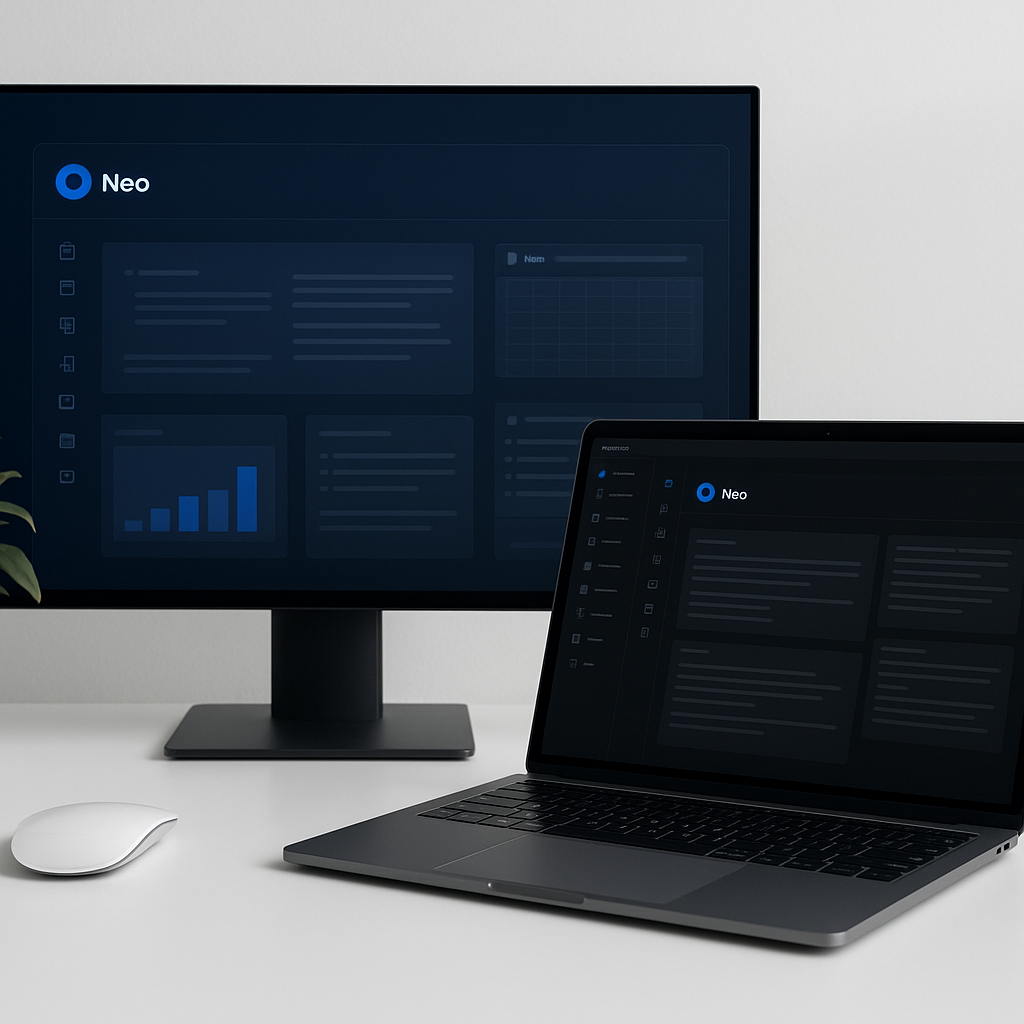
Neo is designed as a model-agnostic platform that allows enterprises to switch between various AI models without being locked into a single provider. This flexibility enables companies to leverage the best AI tools available, enhancing their productivity workflows. The platform combines features like project management, document editing, and file storage into a single interface, streamlining user experience.
class NeoPlatform:
    def __init__(self):
        self.ai_models = []

    def add_ai_model(self, model):
        self.ai_models.append(model)

    def switch_model(self, new_model):
        if new_model in self.ai_models:
            print(f"Switching to {new_model}")
        else:
            print("Model not available.")
The initial version of Neo was built in just three months, showcasing how generative AI can expedite software development processes. This rapid development cycle contrasts sharply with traditional software timelines, where similar tasks would typically take significantly longer.
| Feature | Neo | Microsoft Office |
|---|---|---|
| AI Integration | Designed from the ground up | Built on legacy systems |
| Model Agnosticism | Yes | No |
| Development Speed | 3 months | 1 year+ |
Real-World Applications
1. Knowledge Management in Consulting Firms
Consulting firms can leverage Neo for managing projects and documents, enabling seamless collaboration among teams. The AI-driven insights can enhance decision-making processes, leading to improved outcomes.
2. Enhanced Productivity in Tech Startups
Tech startups can utilize Neo’s integrated tools to manage their development cycles more efficiently, reducing the time from ideation to deployment.
3. Streamlined Operations in Professional Services
Professional services firms can adopt Neo to streamline their operations, ensuring that all team members have access to the latest documents and project updates in real time.
What This Means for Developers
Developers should focus on skills that enable them to work with AI-driven platforms. Familiarity with AI models and integration techniques will be crucial as businesses increasingly adopt these technologies. Moreover, understanding the architecture of platforms like Neo can provide insights into building scalable applications that leverage AI effectively.
💡 Pro Insight: The future of enterprise software lies in solutions designed specifically for AI. As companies like Neo emerge, developers must adapt by acquiring skills in AI integration and model flexibility to stay competitive in the evolving tech landscape.
Future of AI Tools (2025–2030)
The next few years will see significant advancements in AI-driven tools for enterprise applications. By 2025, we can expect to see more companies adopting AI alternatives to traditional office suites, leading to a more diversified market. As businesses seek tailored solutions, platforms like Neo could redefine how software is developed, prioritizing AI from the onset.
By 2030, the integration of AI into business operations will likely become standard, with companies that fail to adapt facing obsolescence. The emphasis will shift towards platforms that support collaborative AI functionalities, making AI an integral part of daily workflows rather than a separate entity.
Challenges & Limitations
1. Market Competition
The enterprise software market is saturated with established players like Microsoft and Google, making it challenging for new entrants like Neo to gain traction.
2. User Adoption
Transitioning from familiar tools can be difficult for organizations. Convincing employees to adopt new software requires effective change management strategies.
3. Security Concerns
With the integration of AI, data security becomes a significant concern. Ensuring robust security measures will be crucial for gaining trust among users.
Key Takeaways
- Neo aims to redefine enterprise software by integrating AI from the ground up.
- Model-agnostic platforms offer flexibility in utilizing different AI models.
- Rapid development cycles can lead to faster deployment of innovative features.
- Understanding AI integration is essential for developers as the market evolves.
- New players face substantial competition but can carve niches in the enterprise software landscape.
Frequently Asked Questions
What is the main advantage of using AI alternatives to Microsoft Office?
The primary advantage is the ability to integrate AI functionalities designed specifically for modern workflows, enhancing productivity and collaboration significantly.
How does Neo differentiate itself from existing enterprise software?
Neo is designed from the ground up for AI, allowing for model-agnostic integration and a more seamless user experience compared to legacy systems.
What industries can benefit from AI-driven enterprise software?
Industries such as consulting, technology, and professional services can greatly benefit from the enhanced productivity and project management capabilities offered by AI-driven platforms like Neo.
Stay updated with the latest in AI and developer news by following KnowLatest for insightful articles and updates.


