
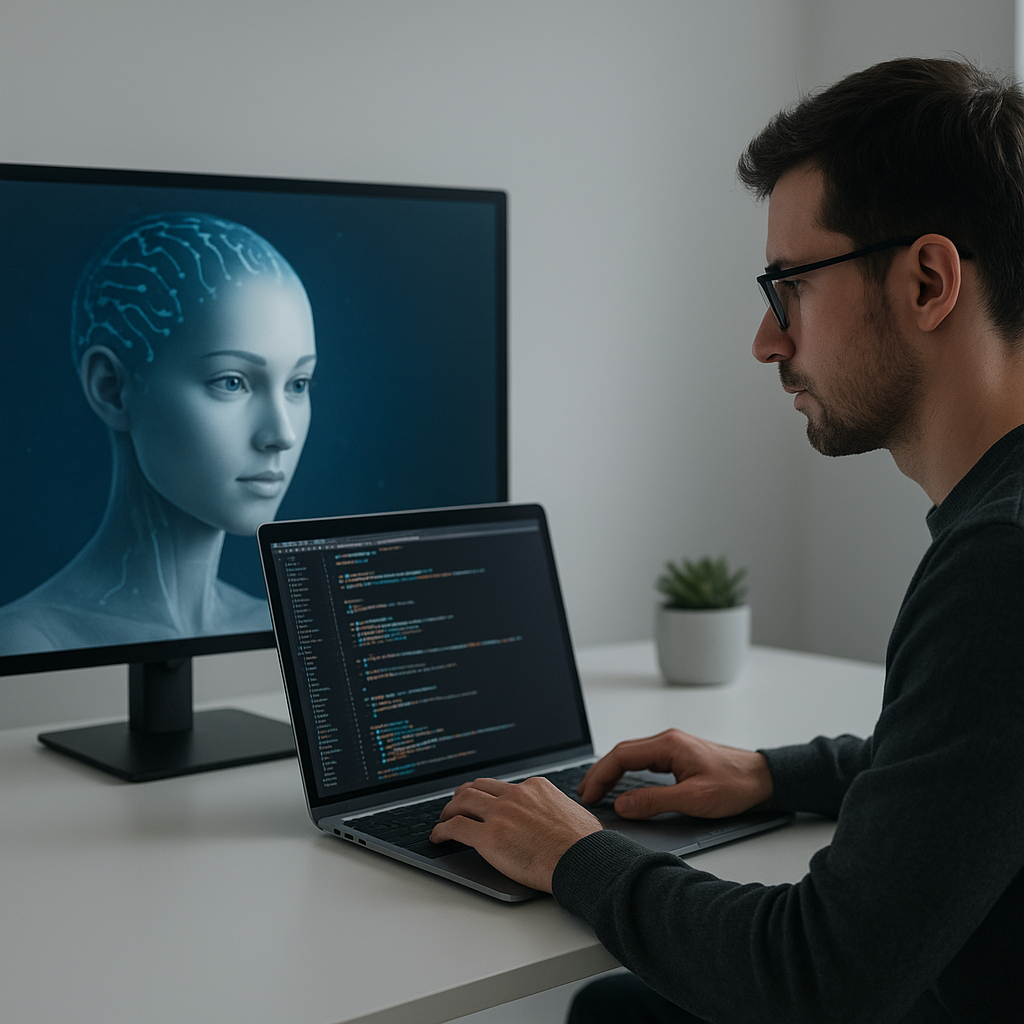
AI-Generated Content: Implications for Developers and Filmmakers
AI-generated content is rapidly evolving, and Grok’s recent release of the first seven minutes of its AI-generated ‘Odyssey’ exemplifies this trend. This development raises questions about the artistic merit and emotional engagement of AI-generated media. In this post, we will explore the implications of AI in creative fields, particularly in filmmaking, and discuss the technical aspects involved in generating such content.
What Is AI-Generated Content?
AI-generated content refers to any media created with the assistance of artificial intelligence algorithms. This includes text, images, music, and video, often aimed at simulating human creativity. Grok’s recent release of the first seven minutes of ‘Odyssey’ is a prime example of this technology in action, showcasing both the potential and the limitations of AI in creative sectors.
Why This Matters Now
The rise of AI-generated content is reshaping industries, especially in media and entertainment. As seen with Grok’s recent initiative, the blending of AI with traditional storytelling raises critical questions regarding creativity, authenticity, and audience engagement. The public’s reception of AI-generated media is pivotal for developers and creators looking to harness these technologies responsibly. The increasing competition between AI-generated films and traditional filmmaking highlights the urgency for developers to understand and adapt to this changing landscape.
Technical Deep Dive
Generating AI content, particularly in film, involves several sophisticated technologies. Below, we delve into the core components of the AI generation process used for projects like Grok’s ‘Odyssey’.
1. Neural Networks and Machine Learning
At the heart of AI-generated content lies machine learning, specifically neural networks. These models are trained on vast datasets to recognize patterns and generate new content. For instance, a model like OpenAI's GPT-3 can generate dialogues, while DeepArt can create visual art based on textual descriptions.
2. Training Data
AI systems require extensive training data to produce quality content. For Grok’s ‘Odyssey’, a variety of historical texts, scripts, and audio recordings may have been utilized to ensure the AI understands narrative structure, character development, and voice modulation.
3. Rendering and Animation
The visual elements are typically generated using rendering engines like Unreal Engine or Blender. These tools allow developers to create realistic animations and environments. Below is a simplified workflow for generating a scene:
- Generate a storyboard using AI to outline the scenes.
- Use 3D modeling software to create assets.
- Animate the characters and apply textures.
- Render the final video using a high-performance rendering engine.
4. Voice Synthesis
AI voice synthesis technologies, such as Google's WaveNet, create lifelike dialogues. This technology can produce speech that sounds human, which is crucial for narrative films like ‘Odyssey’ where character engagement is vital.
5. Feedback Loop
To improve the AI’s output, a feedback loop can be established where human editors review the generated content and provide corrections. This iterative process helps refine the model’s ability to produce high-quality media over time.
Real-World Applications
1. Film Production
AI can streamline various phases of film production, from scriptwriting to post-production. Companies like Runway ML are already using AI to enhance editing processes and create effects that require less manual work.
2. Video Game Development
AI-generated content is also revolutionizing video game design. Developers can create expansive, interactive worlds with procedurally generated content, allowing for unique player experiences. Tools like Unity's ML-Agents are being used for this purpose.
3. Advertising and Marketing
Brands are increasingly using AI to generate personalized marketing content. This includes tailored video ads and social media posts, which can engage audiences on a more personal level, significantly improving conversion rates.
4. Education and Training
AI-generated content can be used to create educational materials and training simulations. This could provide dynamic learning experiences that adapt to students’ needs, such as interactive history lessons derived from AI-generated narratives.
What This Means for Developers
As AI-generated content continues to gain traction, developers must equip themselves with skills that enhance their adaptability in this space. Key areas to focus on include:
- Understanding machine learning principles, particularly in natural language processing and computer vision.
- Familiarity with rendering engines and animation software for creating visual content.
- Proficiency in AI tools and frameworks, such as
TensorFlowandPytorch, to develop and train models. - Knowledge of user experience design, ensuring that AI-generated content resonates with audiences.
💡 Pro Insight: As AI technology evolves, the future of storytelling will increasingly rely on collaboration between humans and machines. Developers who understand this synergy will be best positioned to innovate in the creative industries.
Future of AI-Generated Content (2025–2030)
Looking ahead, the landscape of AI-generated content is poised for significant transformation. By 2030, we may witness a paradigm shift where AI not only assists but also collaborates with human creators in producing media. Expect advancements in emotional AI, enabling systems to gauge audience reactions and adjust narratives in real-time. Moreover, as ethical considerations become paramount, developers will need to consider the implications of AI-generated content on culture and society.
Technologies like Generative Adversarial Networks (GANs) will likely evolve to produce even more sophisticated outputs, potentially blurring the lines between human and AI creativity. This could lead to a new genre of hybrid storytelling, where the audience actively participates in shaping narratives.
Challenges & Limitations
1. Artistic Authenticity
One of the primary challenges of AI-generated content is the question of artistic authenticity. Many critics argue that AI lacks the emotional depth and creativity inherent in human-made art, which can detract from audience engagement.
2. Ethical Concerns
The use of AI in creative fields raises ethical questions about ownership and copyright. Developers must navigate these complex issues to ensure compliance with regulations and respect for original creators.
3. Quality Control
While AI can generate content at scale, maintaining high quality remains a challenge. Without adequate human oversight, AI-generated content can lack coherence and fail to resonate with audiences.
4. Dependence on Data
AI systems are only as good as the data they are trained on. Biases in training data can lead to skewed representations in AI-generated content, necessitating careful selection and curation of datasets.
Key Takeaways
- AI-generated content is increasingly shaping industries, notably in film and media.
- The technology incorporates various components, including neural networks, rendering engines, and voice synthesis.
- Developers must acquire skills in machine learning and content creation tools to adapt to this technology.
- Future developments may lead to real-time audience engagement and new collaborative storytelling methods.
- Ethical concerns and quality control remain significant challenges in the AI content landscape.
Frequently Asked Questions
What is AI-generated content?
AI-generated content refers to media created with the help of artificial intelligence algorithms, including text, images, and videos, designed to simulate human creativity.
How is AI used in filmmaking?
AI is used in various aspects of filmmaking, from script generation to visual effects and voice synthesis, streamlining production processes and enhancing creativity.
What are the ethical concerns surrounding AI in media?
Ethical concerns include issues of ownership, copyright, and the potential for biased representations in AI-generated content, necessitating careful consideration by developers and creators.
For more on the evolving landscape of AI and technology, follow KnowLatest for insightful articles and updates.